
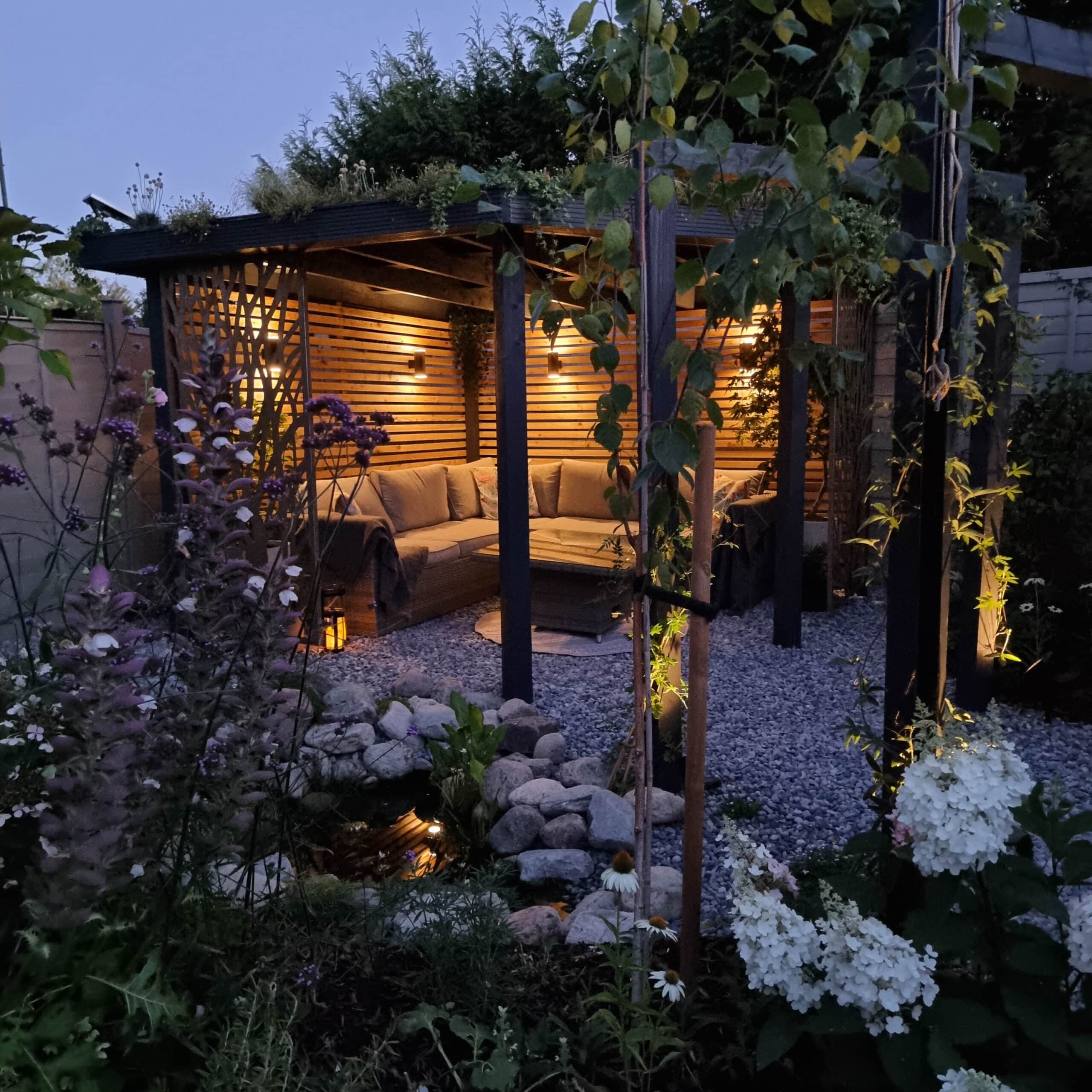
LED technology is leading the evolution of the luxury lighting world. LEDs are increasingly being used by homeowners looking to marry sustainability with sophistication in their living spaces. The days of eco-friendly choices with compromises are gone. LED lighting has changed the game today, providing energy efficiency and luxurious designs that elevate any interior effortlessly.
The Rise of LED in Modern Lighting
In recent years, the way we illuminate our homes has shifted dramatically. It’s no wonder LED lighting has quickly become the preferred choice for many. LED lights use a fraction of the electricity traditional lighting solutions require, cutting electricity costs and environmental impact. Luxury lighting brands like CTO Lighting have fully adopted this technology, showing that sustainability can indeed be compatible with high-end design. What was once considered a functional choice is now a stylish option, seamlessly integrated into modern homes without compromising on design.
Energy Efficiency Without Sacrificing Style
LED lighting is very energy efficient, and yet it produces such amazing brightness. Traditional light bulbs produce a lot of heat, and much of the energy they use is wasted. By contrast, LEDs convert almost all of their energy into light, saving much energy. For those invested in luxury, that means no compromise in aesthetics and reduced energy consumption. From a grand chandelier to minimal wall sconces, LED lights can range from classic to contemporary to fit any taste and aesthetic, giving modern living a touch of elegance.
A Palette of Design Possibilities
LED lighting is not just about saving energy; it is about opening up new creative possibilities. With more freedom of design, LEDs offer endless possibilities for experimenting with light and shadow. With LEDs, designers can create shapes, colours, and intensities of lighting that were never before possible with traditional lighting sources. LED lighting provides great design versatility, from dramatic feature lighting to subtle ambient glow. Luxury homeowners can now have statement pieces that look good and are environmentally friendly.
Longevity and Durability
The longevity of LED lights is one of the main advantages of LED lights. LEDs have a much longer lifespan, often over 25 times longer than usual bulbs. In luxury settings, lighting fixtures are an integral part of the overall aesthetic, so this means fewer replacements and less maintenance. Homeowners have high expectations when it comes to high-end lighting designs, which is exactly the type of durability LED technology provides. Beyond longevity, LEDs are also more durable and less susceptible to breakage or damage, meaning that luxury fixtures will still shine brightly for years.
Brightness Without Compromise
Although eco-friendly products are often associated with poor performance, this is not true of LED lighting. LED lights can be as bright, if not brighter, than traditional lights. In luxury homes, this is particularly important, as lighting has a massive role to play in setting the mood and creating an ambiance. LEDs can provide vibrant, direct lighting for a grand entrance or soft, diffused lighting for an intimate space, and can do so while being energy efficient.
The Evolution of Sustainable Luxury Lighting
In modern design, sustainability is no longer an idea but a building block for the future. At the heart of this movement lies LED lighting that helps close the gap between living in luxury and caring for the environment. LED technology is no longer a passing fad but rather a long-term solution for high-end lighting. Its ability to deliver unmatched efficiency and stunning design versatility draws homeowners and designers alike. LEDs mean that luxury homes can enjoy elegance and sustainability without compromise, as brightness, colour, and intensity can be created virtually limitlessly.
LED lighting has changed how high-end homes are illuminated, providing the ideal mix of environmentally friendly options and stylish design. LEDs have also changed modern lighting standards because they use less energy, last longer, and can be designed in infinite ways.