
Creativity in the early years is far more than paint, glue, and colourful play mats. It’s the way young children make sense of their world. Long before they can fully articulate thoughts or write fluently, they express complex ideas through movement, storytelling, drawing, building, and imaginative play. When nurtured well, creativity becomes a powerful engine for cognitive, emotional, and social development.
In an early years nursery school environment, kids are encouraged to explore widely, take risks, and follow their curiosity. These everyday creative moments lay the groundwork for future problem-solving and flexible thinking, skills that matter far beyond childhood. Below, we explore how young children communicate big ideas through simple creative actions, and why this process is vital for their development.
Why Creativity Matters in the Early Years
During the early years, neural pathways are forming at a rapid pace. Creativity supports this growth by activating multiple areas of the brain at once. When children explore materials, invent stories, or engage in pretend play, they are practising emotional expression, language development, social negotiation, and cognitive planning simultaneously.
According to UNICEF, early childhood experiences that encourage creative play support critical learning, emotional well-being, and social competence, demonstrating clear links to improved long-term educational outcomes. This is why creativity should never be seen as a break from learning. It is learning.
Drawing and Mark-Making: The First Steps Toward Written Expression
To adults, early scribbles may look like random marks. To children, they represent ideas, stories, and emotions they don’t yet have the language to express.
Through mark-making, kids:
- Develop fine motor control
- Explore cause and effect (pressing harder, making lighter lines, changing tools)
- Translate internal thoughts into visible, shareable forms
- Build the foundations for writing
Role Play and Pretend Worlds: Exploring Identity and Understanding Society
Imaginative play is one of the most sophisticated forms of early creative expression. Whether children are pretending to be doctors, shopkeepers, parents, dragons, or superheroes, they are processing the world around them.
In role play, kids explore complex concepts such as:
- Responsibility: “I’ll be the doctor and help my patients.”
- Empathy: Understanding how others feel in different situations
- Problem-solving: “How do we get all the animals back in the zoo?”
- Social cooperation: Negotiating roles and rules within a group
Pretend play also allows children to test boundaries safely. A child pretending to be “the teacher” can practise leadership and communication long before they develop the confidence to do these things in real life.
Storytelling: Big Ideas in Small Voices
Young children are natural storytellers. Their stories may jump across time, switch characters, or end unexpectedly, but the point is not narrative perfection; it’s expression.
Storytelling helps children:
- Build vocabulary and language structure
- Connect events and ideas
- Develop memory and sequencing
- Explore imagination without constraints
These stories also give educators insight into a child’s internal world, such as their fears, interests, humour, and emotional landscape.
Building and Construction Play: Early Engineering in Action
Blocks, natural materials, boxes, and loose parts offer endless opportunities for creative construction. When children build, they are not simply stacking shapes. They are designing, experimenting, hypothesising, and learning from failure.
Construction play supports:
- Spatial awareness
- Logical reasoning
- Understanding of balance and structure
- Collaboration and communication when building with peers
A simple tower becomes a castle, a bridge, or an entire city. Through this process, kids learn that ideas can be transformed into physical reality.
Music and Movement: Expressing Feelings Without Words
Music and movement allow children to express emotion, energy, and rhythm freely. Whether dancing to familiar songs, experimenting with instruments, or moving scarves through the air, these sensory experiences are key to holistic development.
They help kids:
- Regulate emotions
- Improve coordination
- Explore tempo, volume, and pattern
- Build confidence through performance
- Strengthen memory and auditory processing
Nature as a Creative Playground
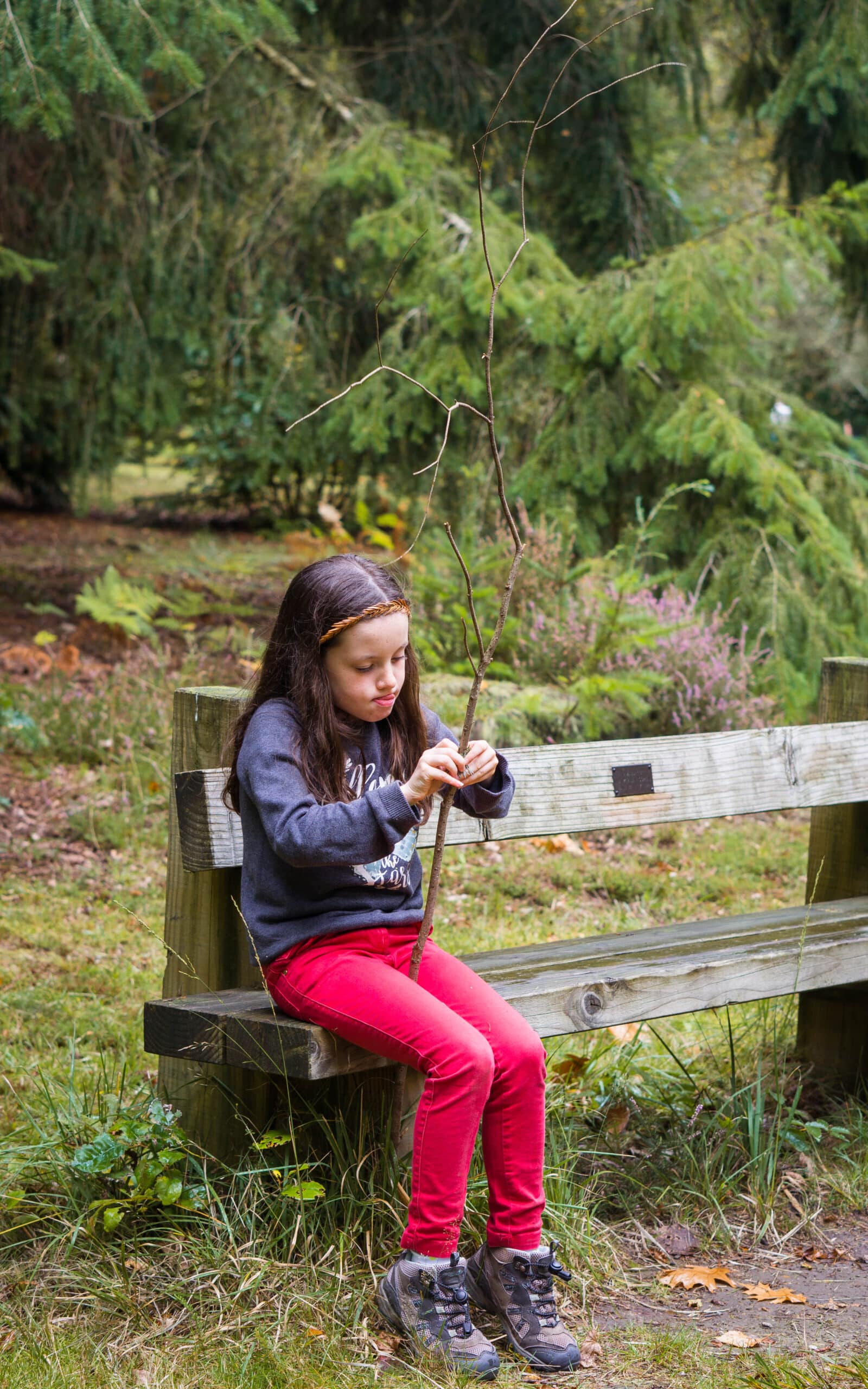
Natural environments spark imagination like nothing else. Leaves, sticks, stones, water, shadows, and mud become tools for exploration and artistic expression. Children might create patterns, build nests, act out stories with pebbles, or draw in the dirt.
These activities help children develop sensory awareness, curiosity and scientific thinking, develop resilience and adaptability, and gain an understanding of the environment around them.
How Adults Can Support Creative Expression
Creativity thrives not from elaborate materials but from freedom, encouragement, and responsive interactions. Adults can support this by:
- Valuing process over product
- Asking open-ended questions (“What else could we try?”)
- Giving children space to explore independently
- Introducing a rich variety of materials
- Joining in play without taking over
- Providing time: unhurried, uninterrupted playtime is essential
Creativity Today, Confidence Tomorrow
Creative expression in the early years is the foundation for lifelong learning. A child who explores, experiments, and expresses freely grows into a learner who thinks independently, adapts quickly, and solves problems with confidence.