
Most parents babyproof the obvious hazards like stairs, sockets, and sharp corners, then breathe a little easier. But many risks do not show up so clearly. Small leaks, trapped moisture, loose fixtures, and hidden electrical faults can develop quietly behind walls and under floors long before anyone notices a problem.
Children spend more time on the floor, touch everything within reach, and breathe closer to unseen contaminants. That reality turns overlooked home issues into safety and health concerns that deserve attention sooner rather than later.
Slow Leaks Behind Walls and Under Sinks
A slow drip under the kitchen sink or behind a washing machine may seem minor, but hidden leaks often cause the most damage. Water can seep into cabinetry, flooring, and drywall for months before stains or warping appear. By the time you notice a musty smell, moisture may already be spreading beyond the source.
Damp areas create ideal conditions for mould growth, which can affect indoor air quality and irritate young lungs. Children crawl, sit, and play close to the floor, where spores and dust settle first. Even small leaks can quietly compromise both structure and health.
When warning signs surface, such as persistent damp patches or unexplained odours, consulting experienced professionals like the trusted pros at Liberty Plumbing can help identify the root cause before hidden damage escalates.
Moisture Build-Up in Bathrooms and Bedrooms
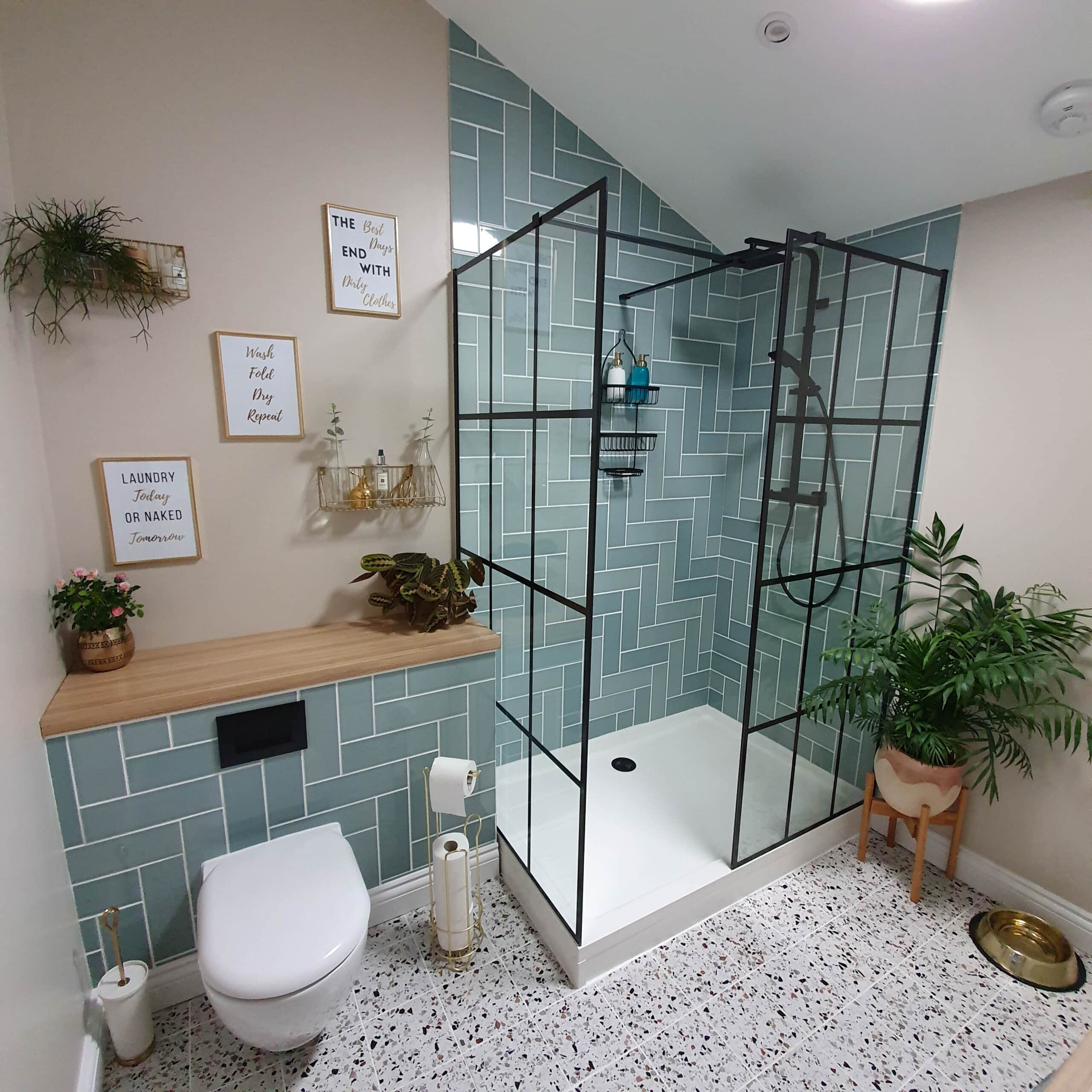
Steam from baths and showers does not simply disappear once the mirror clears. Without proper ventilation, humidity lingers in ceilings, behind tiles, and inside cupboards. Bedrooms can also trap moisture, especially when windows are closed, and laundry dries indoors during colder months.
Over time, that excess moisture encourages mould around window frames, wardrobes, and skirting boards. Infants and toddlers are especially sensitive to airborne irritants, and prolonged exposure can aggravate allergies and breathing issues. Condensation may look harmless, but repeated damp cycles gradually weaken paint, plaster, and sealants.
Parents can reduce risk by running extractor fans consistently, opening windows when the weather allows, and checking seals around tubs and showers. Managing indoor humidity protects both structural materials and the air children breathe every day.
Electrical Points in Unexpected Places
Most parents install outlet covers in obvious spots, but hidden electrical risks often sit out of sight. Extension cords tucked behind sofas, overloaded power strips under desks, and chargers plugged in near beds can overheat without warning. When cables bend sharply or sit under rugs, insulation can wear down over time.
Moisture increases electrical danger. Bathrooms, kitchens, and laundry areas combine water and wiring in proximity. If outlets lack proper ground fault protection, the risk of shock rises significantly.
Homes with older wiring or recent renovations deserve extra attention. A professional inspection can identify loose connections, outdated panels, or improperly installed fixtures before a minor issue turns into a serious hazard.
Loose Fixtures and Fittings That Seem Harmless
A slightly wobbly towel rail or loose cupboard handle may not seem urgent, but small instabilities can become risky once children start pulling and climbing. Toddlers use nearby fixtures for balance, leverage, and exploration. What seems secure to an adult may shift under a child’s full weight.
Wall-mounted shelves, curtain rods, and even taps can loosen gradually over time. Repeated use weakens anchors and screws, especially in drywall. When fixtures detach suddenly, they can cause falls, cuts, or head injuries in seconds.
Parents can reduce this risk by tightening hardware regularly and checking mounting points during routine cleaning. Ensuring fixtures are properly secured keeps everyday exploration from becoming an unexpected hazard.
Poorly Sealed Windows and Draft Gaps
Small gaps around window frames may seem like a comfort issue, but they often allow moisture to seep inside walls. Over time, that dampness can soften wood, damage drywall, and create hidden pockets where mould thrives. Peeling paint and condensation between panes often signal a deeper sealing problem.
Temperature swings caused by drafts can also disrupt indoor comfort, especially in nurseries. Babies and toddlers regulate body temperature less efficiently than adults, making consistent room conditions important for sleep and well-being.
Checking seals, replacing worn weatherstripping, and addressing visible cracks early helps prevent long-term structural damage and supports a healthier indoor environment.
Storage Areas That Attract Pests
Closets, lofts, and under-stair cupboards often collect more than seasonal decorations. These low-traffic spaces can hide minor leaks, food crumbs, or cardboard storage that attracts rodents and insects. Because families rarely inspect them closely, infestations can develop long before visible signs appear.
Pests leave behind droppings, shed skin, and allergens that circulate through the home’s air. Young children who crawl or explore storage areas face greater exposure to contaminated surfaces. Even sealed containers can become compromised if moisture weakens surrounding materials.
Parents can reduce risk by inspecting hidden spaces twice a year, sealing entry points, and storing items in airtight bins. Early attention prevents small problems from spreading quietly through the home.
Wrapping Up
True home safety goes beyond outlet covers and stair gates. Hidden leaks, moisture, unstable fixtures, and neglected systems can quietly affect both health and structure long before visible damage appears. Staying attentive to small warning signs makes a meaningful difference.
Regular inspections, timely repairs, and proactive maintenance protect more than property value. They protect the everyday spaces where children crawl, play, and grow. Awareness turns overlooked risks into manageable tasks and helps create a home that supports long-term wellbeing.