
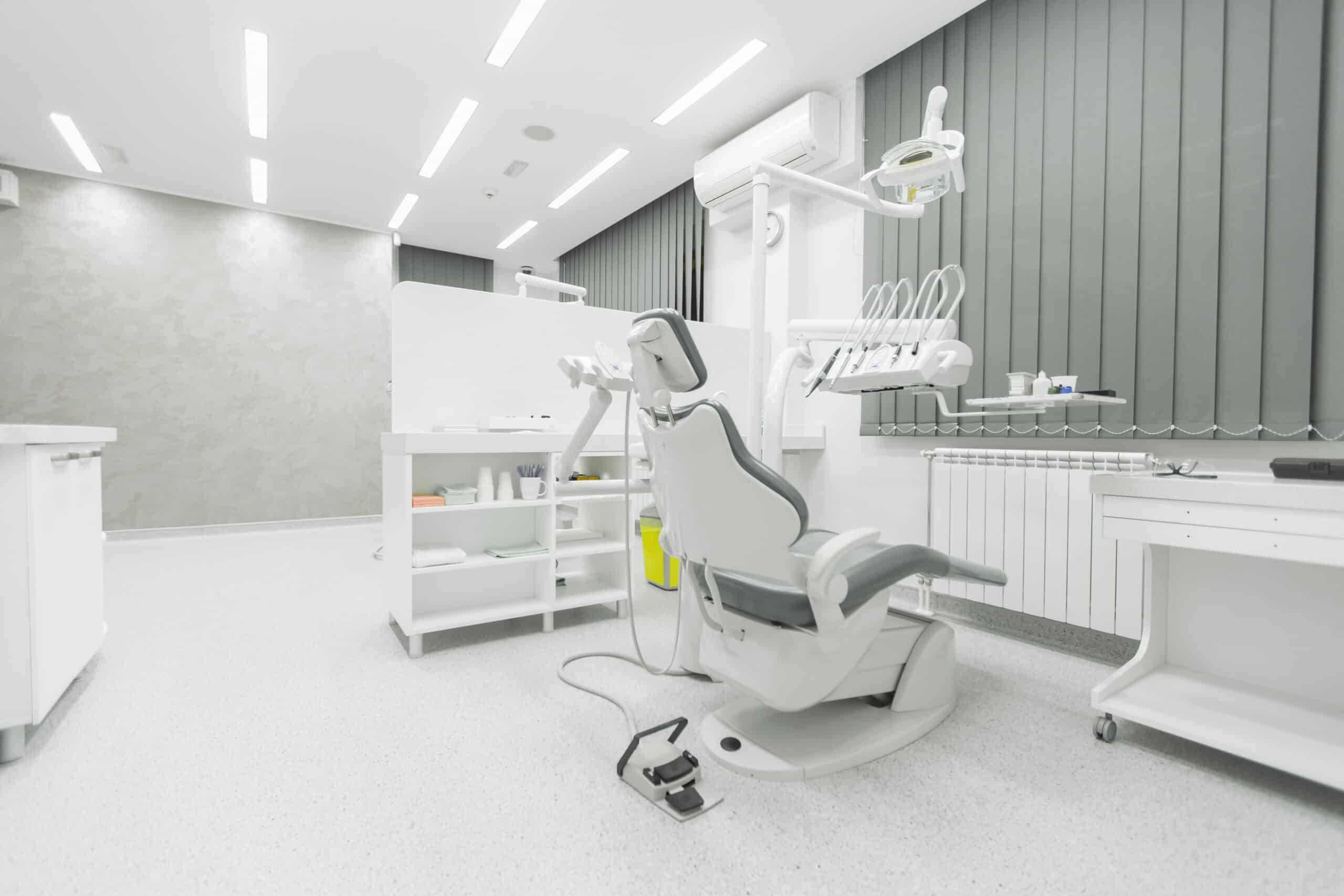
Remember your last dental visit? The gleaming equipment, digital screens, and comfortable chairs might seem worlds apart from the dental practices of decades past. Yet every innovation you experience today stems from centuries of dental practice history that has shaped how we care for our teeth. Whether you’re visiting a purley dental practice like Foxley Lane Dental or exploring options for cosmetic dentistry in Purley, you’re benefiting from remarkable advancements that have transformed oral healthcare from rudimentary extractions to sophisticated, pain-free procedures.
The humble beginnings of dental practice history
Ancient dental remedies and early practitioners
Dental care isn’t a modern invention. Archaeological evidence reveals that ancient civilisations tackled tooth problems with surprising ingenuity. The Egyptians created primitive toothpaste from crushed rock salt, mint, and dried iris flowers around 5000 BCE. Meanwhile, ancient Chinese practitioners used acupuncture to alleviate dental pain, demonstrating early understanding of pain management principles.
The Etruscans fashioned dental bridges from gold wire as early as 700 BCE. These early innovations, whilst crude by today’s standards, laid the groundwork for dental practice development. Barber-surgeons often performed tooth extractions in mediaeval Europe, though their techniques left much to be desired in terms of patient comfort and hygiene.
The birth of modern dentistry in the 18th century
The history of dentistry took a significant turn in 1723 when Pierre Fauchard published “The Surgeon Dentist,” effectively establishing dentistry as a distinct profession. Fauchard introduced concepts like dental fillings and the idea that sugar consumption damages teeth. His work marked a pivotal dentistry milestone, separating oral care from general surgery and barbering.
By the 19th century, dental schools emerged across Europe and America. The first dental college opened in Baltimore in 1840, creating standardised training programmes that elevated the profession’s credibility and skill level.
Dentistry milestones that changed patient care
The introduction of anaesthesia in dental procedures
Perhaps no single advancement affected dental care more profoundly than anaesthesia. Before 1844, patients endured excruciating pain during extractions and procedures. Horace Wells’s demonstration of nitrous oxide and William Morton’s use of ether revolutionised the patient experience entirely.
This breakthrough meant complex dental procedures evolution became possible. Dentists could now perform intricate work whilst patients remained comfortable, opening doors to restorative and corrective treatments previously unimaginable.
The discovery of x-rays and diagnostic advancement
Wilhelm Röntgen’s 1895 discovery of X-rays transformed diagnostic capabilities within dentistry. For the first time, practitioners could see beneath the surface, identifying hidden decay, impacted teeth, and bone loss. This dental technology evolution enabled preventative care rather than reactive treatment, fundamentally changing the dental care approach.
Fluoride and its impact on oral health progress
The introduction of fluoride in the mid-20th century represented a quantum leap in oral health progress. Studies showed that fluoridated water reduced childhood cavities by up to 60 percent. This simple addition to public water supplies became one of the most effective public health interventions in history, demonstrating how dental care innovations could benefit entire populations.
Modern dentistry advancements reshaping treatment
Digital imaging and 3d scanning technology
Today’s dental practices bear little resemblance to their predecessors. Digital radiography delivers detailed images with 90 percent less radiation than traditional X-rays. Intraoral cameras allow patients to see what their dentist sees, fostering transparency and understanding.
Three-dimensional scanning has eliminated uncomfortable impression trays for many procedures. Patients can now have their mouth digitally mapped in minutes, improving accuracy whilst enhancing comfort.
Laser dentistry and minimally invasive procedures
Laser technology has revolutionised soft tissue procedures, enabling precise treatment with minimal bleeding and faster healing. Hard tissue lasers can even prepare teeth for fillings without the drill’s distinctive sound that makes many patients anxious.
These modern dentistry advancements reflect a broader shift towards minimally invasive techniques that preserve healthy tooth structure whilst addressing problems effectively.
CAD/CAM technology for same-day restorations
Computer-aided design and manufacturing systems now enable dentists to create crowns, veneers, and inlays during a single appointment. What once required multiple visits and temporary restorations can often be completed in hours, demonstrating how dental technology evolution continues to prioritise patient convenience.
Dental technology evolution in contemporary practices
Artificial intelligence in diagnosis and treatment planning
Artificial intelligence algorithms now assist in detecting cavities, assessing bone density, and predicting treatment outcomes. These systems analyse thousands of images to identify patterns human eyes might miss, complementing rather than replacing professional judgement.
Teledentistry and remote consultations
The recent expansion of teledentistry has made initial consultations and follow-up appointments more accessible. Patients can now receive professional advice without travelling, particularly valuable for those with mobility issues or living in remote areas.
Biocompatible materials and advanced implant systems
Modern dental materials mimic natural tooth properties more closely than ever before. Ceramic and composite resins blend seamlessly with existing teeth, whilst titanium implants integrate with bone tissue to provide stable, long-lasting replacements for missing teeth.
Dental care innovations improving patient experience
Pain management techniques and sedation options
Beyond traditional anaesthesia, practices now offer various sedation levels to accommodate different anxiety levels and procedure complexities. From mild relaxation to deep sedation, options exist for virtually every patient need.
Preventative care approaches in dental practice development
Contemporary practices emphasise prevention through patient education, regular cleanings, and early intervention. This philosophical shift recognises that preventing problems costs less and preserves natural teeth better than treating advanced disease.
Patient-centred care and comfort technologies
Ergonomic chairs, noise-cancelling headphones, and even virtual reality systems transform the clinical environment into a more welcoming space. These seemingly small touches reflect how dental practice development now considers psychological comfort alongside clinical outcomes.
The future of dental treatment: What lies ahead
Regenerative dentistry and stem cell research
Researchers are exploring stem cell applications that could regenerate damaged dental tissue. Imagine regrowing tooth enamel or even entire teeth rather than replacing them with artificial materials. Whilst still experimental, these approaches could redefine restorative dentistry within decades.
Nanotechnology in oral health care
Nanoparticles that repair enamel at the molecular level or deliver targeted antimicrobial treatments represent the cutting edge of dental care innovations. These microscopic solutions could prevent decay before it starts or reverse early damage without drilling.
Robotic-assisted dental procedures evolution
Robotic systems offering unprecedented precision are being developed for implant placement and other delicate procedures. These technologies won’t replace human dentists but will extend their capabilities, enabling treatments previously considered too complex or risky.
How will dental practice continue to transform patient care?
The journey from ancient remedies to tomorrow’s innovations reveals an unwavering commitment to improving oral health. Each generation builds upon previous discoveries, creating ever more effective, comfortable, and accessible care.
What does this mean for you? The future of dental treatment promises even more personalised care based on your genetic profile, lifestyle factors, and specific risk patterns. Preventative approaches will likely become so effective that major dental problems become increasingly rare.
Ready to experience modern dental care’s benefits? Schedule your next dental appointment to discuss how current technologies and techniques can enhance your oral health. Whether you need routine care or are considering advanced treatments, today’s dental practices offer options that previous generations could scarcely imagine. Your smile deserves the best that dental science can offer.