
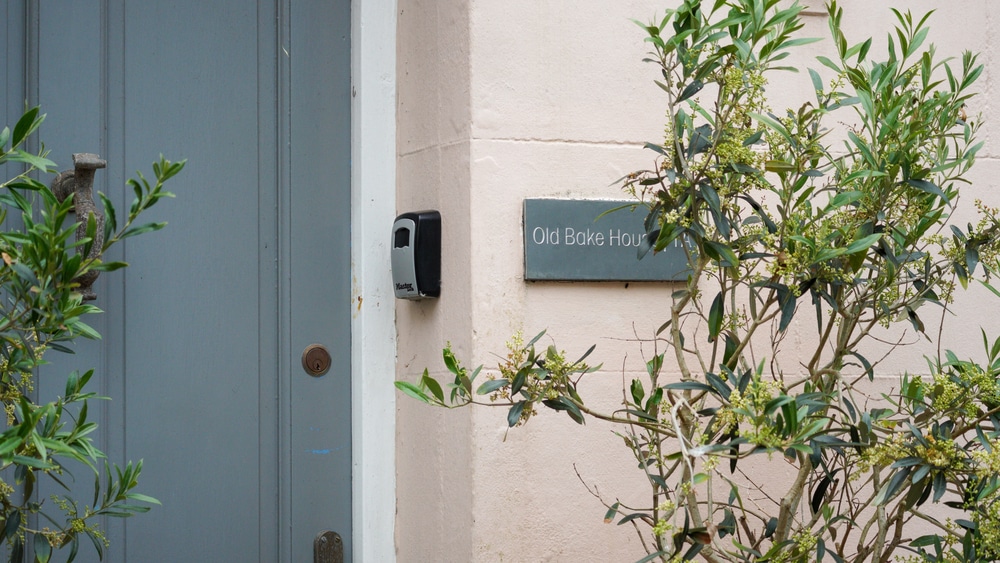
Selecting the right material for your house sign is essential for both longevity and visual appeal. Exposure to the elements means your choice must withstand weather, resist fading, and remain easy to read. By understanding the practical pros and cons of each material, you can ensure your sign stays attractive and functional for years.
Every house sign is a point of first impression, so balancing aesthetics, durability, and low maintenance is crucial for homeowners who want lasting style. With evolving materials and finishes on the market, carefully weighing each option helps you avoid frequent replacements or ongoing repairs. Materials influence the overall look of your property and how easily your sign weathers seasonal challenges. If you wish to create a custom design and preview finishes or materials, you can design custom signs at signomatic.co.uk using an online tool that lets you select from a variety of styles, colours, and materials to match your preferences and requirements.
Understanding practical durability in outdoor settings
For a house sign, durability is more than resisting a rainy afternoon. It is about withstanding years of temperature swings, UV rays, and moisture exposure. Over time, prolonged sun can cause fading or yellowing, while freezing winters can accelerate cracking or warping in some materials.
Impact resistance is vital if your sign is placed near walkways or driveways. Corrosion risk should also be assessed, especially if you live near the coast or in areas with high humidity. Readability should remain high year after year, so opt for surfaces and lettering that do not easily degrade or peel away when exposed to the elements.
Comparing acrylic, metals, wood, and vinyl choices
Acrylic offers a modern finish with crisp colours and smooth surfaces. It resists moisture, but scratching and certain cleaning agents can reduce its appearance over time. Many choose acrylic for its lightweight nature and the ability to laser cut it into sharp shapes, though UV resistance varies by product.
Metals such as aluminium and brass are long-standing favourites for durability and premium finish. Aluminium is lightweight and resists rust, while brass delivers an elegant appearance but can develop patina when exposed to the weather. Weight and fixing method matter for metals, and the right choice helps ensure stability and prevents damage to your walls.
Wood delivers a classic, warm feel, often complementing traditional homes. However, wood requires proper sealing and regular maintenance to help prevent rot, swelling, or insect damage. It is best suited for sheltered locations, though high-quality finishes and periodic treatment can help wood last even on exposed façades.
Vinyl and laminated finishes are useful when flexibility, cost, or temporary solutions are priorities. Vinyl can work well for short-to-medium term labels, especially in protected entryways. Over time, exposure to UV and moisture can cause fading and peeling, so replacing vinyl signs once they lose clarity is commonly considered.
Fixing methods, placement, and visual clarity factors
The durability of your sign depends greatly on how it is mounted as well as the wall material behind it. Screws are reliable for brick or timber, while adhesive pads or standoffs work better for rendered surfaces. Always use fixings compatible with the sign’s weight and expansion rates to reduce the risk of splits or loosening over time.
Visual clarity starts with high contrast between lettering and background, avoiding colours that fade into one another. Choose fonts that are simple and legible from the typical viewing distance, and minimise reflective glare by opting for matte or etched finishes when sunlight is an issue. A well-thought-out design should suit your home’s architectural style, ensuring the sign enhances rather than distracts from your entrance.
Maintenance, sustainability, and making a practical choice
Every material responds differently to routine cleaning and weathering. Avoid abrasives on acrylic or coated metals, while harsh solvents should not be used on vinyl or painted wood. Occasional gentle cleaning and prompt attention to chips or scratches can help many signs look their best for longer.
Sustainable choices often favour materials with a longer lifespan or recyclable components, aligning with efforts to reduce waste. Selecting finishes that require less frequent renewal is both eco-friendly and cost-effective. When possible, repair or refinish rather than replace, especially if the underlying material is robust.
Matching material, fixing method, and design elements to your specific location and maintenance preferences can lead to a house sign that remains both functional and stylish. Relying on trusted industry information and practical experience allows you to make informed decisions when considering the options available.
By planning around local climate, desired aesthetic, and how much time you can devote to upkeep, you can achieve a result that enhances your property. Prioritise a well-chosen material and thoughtful design to help ensure your house sign stands the test of time.