
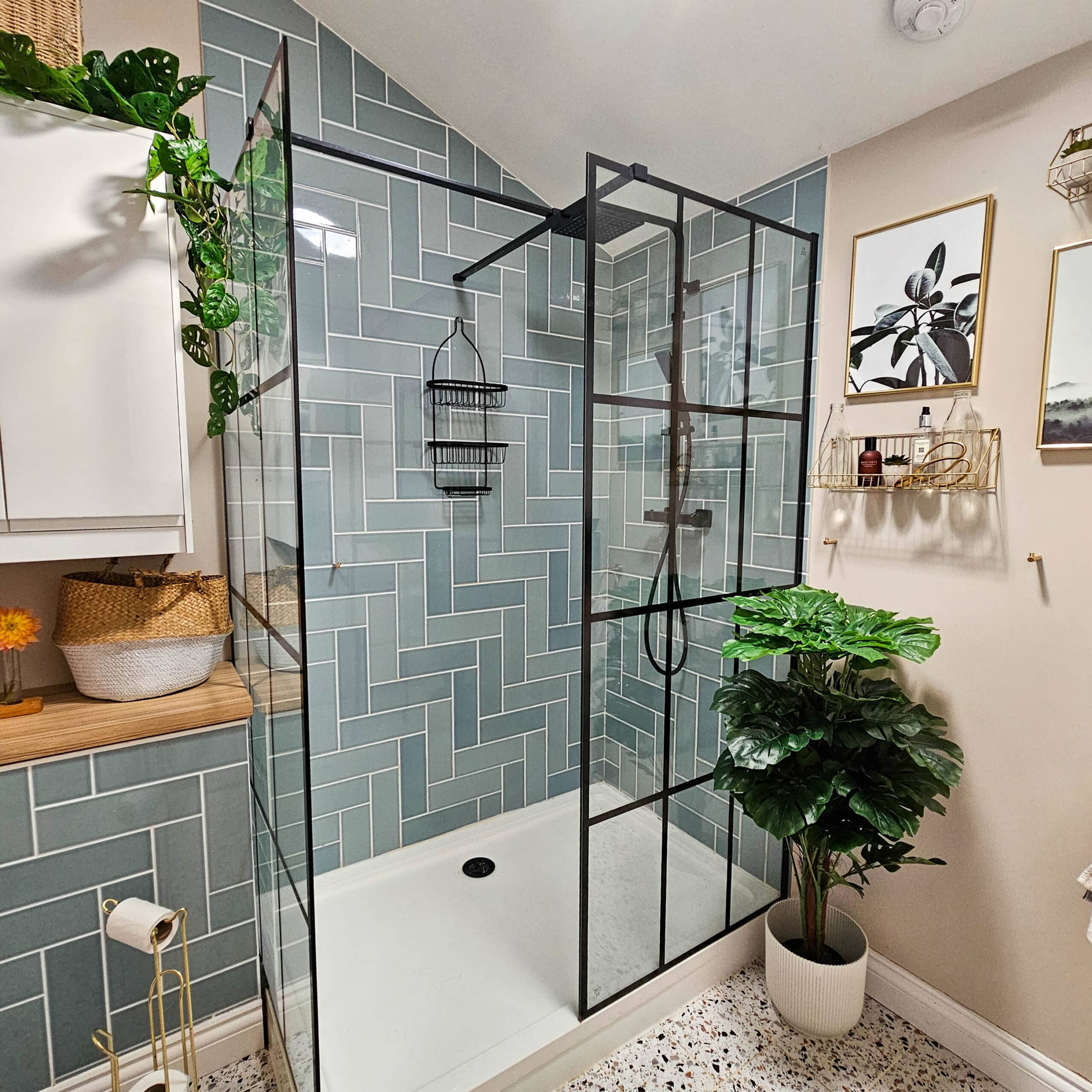
The bathroom is most likely one of the first rooms you think of when it comes to renovating your home. After all, this is one of your most used spaces, and it’s a place that you can pretty much guarantee your guests will visit at some point. It’s also an area with huge potential to become a cosy home hub that’s just right for relaxing skincare routines and lavish spa-style baths.
*Collaborative Post
On average, experts predict that a bathroom renovation will set you back by anywhere between £5,000-£8,000. That’s a pretty large scope, and as with any renovation, your budget is only as strong as its ability to handle the unexpected along the way.
This is especially true in bathrooms, where plumbing setbacks and the discovery of issues like dampness can add significant workloads to your existing project brief. The question is, with all of this uncertainty at play, how do you manage a bathroom renovation budget that’s unlikely to spring a leak and let you down at the last moment?
Step 1: Get An Accurate Idea of Costs
Ultimately, looking at averages for bathroom renovation costs will never help you get a reliable budget for this kind of home improvement. After all, estimates fail to consider things like the size, style, and design requirements of your unique bathroom space. As such, saving for your renovation based on an arbitrary number like this will almost always let you down.
Instead, you should get quotes from professionals who have seen what needs doing, or use tools like this bathroom remodel cost calculator to understand more realistic, specified potential costs. That way, while you will need to budget a little extra for the unexpected, you’ll have a far more realistic budget that’s unlikely to let you down or end up leaking away and leaving you high and dry when you’re less than halfway through the work required.
Step 2: Understand Major Areas of Expense
Some tasks in a bathroom renovation will always cost more than others. For instance, primary cost drivers in bathroom renovations will typically include tasks like plumbing, electricals, and furnishings. Equally, changing the shape or layout of your current bathroom can quickly send costs soaring.
By understanding these risks, you can either avoid more costly processes like entire bathroom redesign, or you can make sure that you’re setting aside more than enough money to handle these outlays. This will be far better from a budgeting standpoint than simply jumping in and then falling at the first expense hurdle you come across.
Step 3: Buy What You Can Upfront
Some companies will complete an entire bathroom renovation for you, including sourcing all of your furnishings and beyond. This is great for convenience, but it’s one of the fastest ways to leave your budget out to dry. What’s more, this could lead to unexpected high costs that you could never prepare for, as your renovation team will likely buy from their own, potentially costly, sources.
To avoid this, it’s always worth buying what you can upfront. For instance, there are now plenty of second-hand bathroom suites out there for bargain prices, and you can get a plumber to plumb those in for you after buying. Equally, buying your tiles before calling a tile company can see you cutting costs in half. This is also a great option because it allows you to spread costs, and more easily keep enough money in the bank for jobs along the way.
Step 4: Choose Cost-Effective Options
Admittedly, cutting costs on a bathroom renovation won’t always work out for you. Substandard flooring or tiles, in particular, can very quickly start to crack or peel. However, if you want to keep your budget intact throughout your bathroom renovation project, you mustn’t blow the whole thing on one luxury element.
Instead, keep your head about you and, when making spur-of-the-moment decisions, don’t be afraid to step away for a little thinking time. Ultimately, you want to balance budget with efficiency, which is possible when you choose cost-effective materials like vinyl plank flooring that’s still impressively durable. This is certainly better than having your head turned by a far more expensive option like terrazzo which, while it does look great, could leave you without spare cash for setbacks later on.
Conclusion
Like any renovation project, your bathroom renovation needs a generous budget to ensure results. However, you can make sure that the money you’ve set aside is more likely to work for your entire project by taking these tips into account.
Comments are closed.