
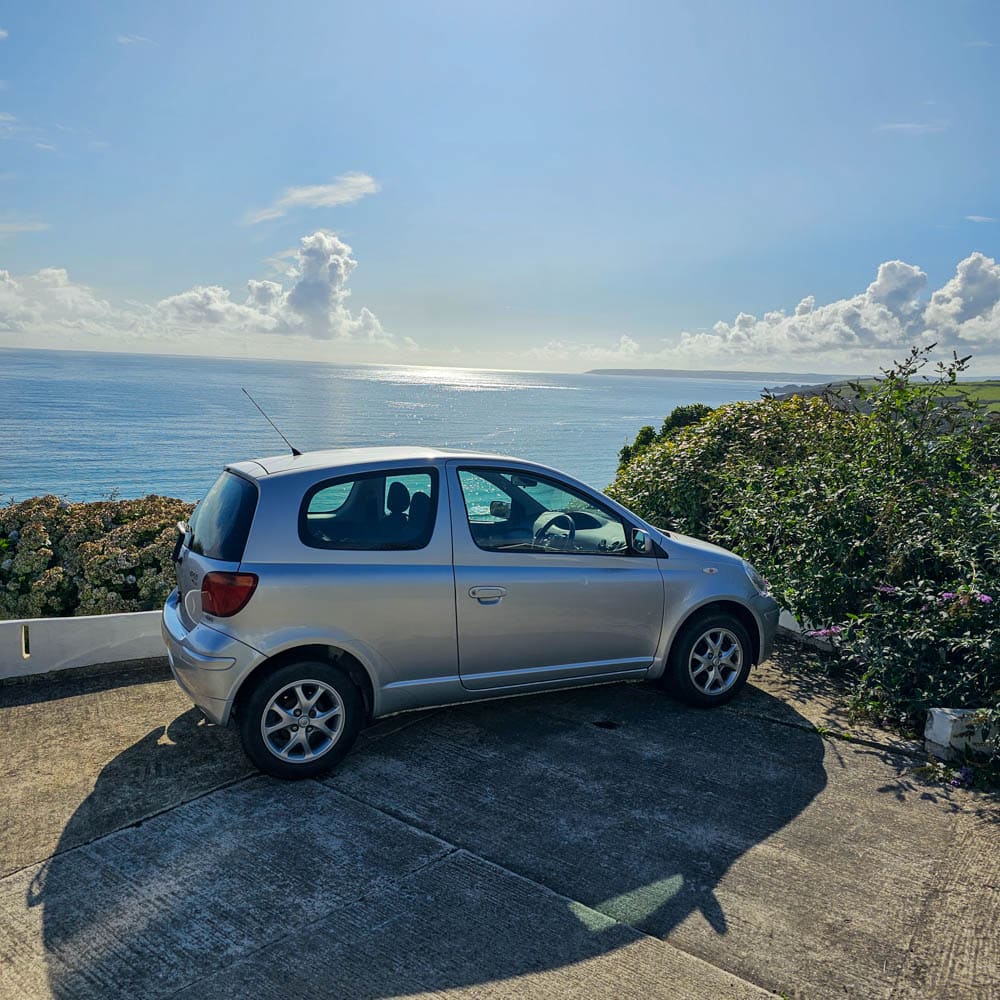
Are you planning to set off on long drives this summer? Make sure you travel as safely as possible by preparing for car journeys that account for extreme heat and associated risks. Driving during the summer can be intense, so it’s important to always be prepared, both in terms of safety and comfort. While driving, you should also consider strategies that allow you to adapt to the challenges that the summer months can bring.
*Collaborative Post
From completing the right vehicle checks to having emergency supplies, here’s how you can prepare for longer drives this summer.
Overcoming Heat Exposure
Make sure you know how to identify the signs of an overheating engine so that you don’t create further issues with your vehicle. To help avoid this, you should regularly check and top up your coolant levels and other types of vehicle fluid. When cleaning your car after a long drive, using the best bucket to wash your car ensures a scratch-free finish and makes the process easier and more effective.
If your car has air conditioning, make sure you use it so that you and any passengers remain comfortable while driving. If you’re too hot, this could compromise the quality of your driving and impact your concentration.
Park in the shade where possible and invest in windscreen sun shades to help keep your car as cool as you can.
Tyre Maintenance
You should maintain your vehicle all year round. However, winter and summer demand tailored checks to ensure your vehicle is working effectively in extreme conditions.
Tyre maintenance is especially important. Warm weather can increase the risk of tyres becoming more inflated, which therefore increases the risk of a tyre blowout. To help prevent these risks, make sure you regularly check the inflation pressure and monitor the condition of your tyres. If a heatwave strikes, experts recommend that you check your tyre pressure daily, and if you’re unsure where to get help quickly, you can learn more about finding nearby tyre services that can inspect or replace tyres before a long summer journey.
If you’re storing your vehicle over the winter for long periods of time, think about investing in a set of car covers to protect your car from the elements, allowing it to last longer.
Insurance Protection
To ensure you’re covered in the event of an accident, you should always give priority to choosing the right car insurance. This means choosing coverage that suits your circumstances and driving habits.
Longer journeys can mean you’re more prone to breaking down, and summer holiday traffic can be relentless, so make sure you have a policy that gives you peace of mind while out on the road.
Emergency Kit Essentials
It is sensible to always keep an emergency kit in your vehicle; however, in the summer, you may want to tailor it so that you’re covered in extreme heat.
Water bottles are a must so that you and your passengers stay hydrated during long trips. Alongside this, a general first aid kit with plasters and other items is sensible for emergencies. Other items you may want to consider include a tyre pump, spare clothes and snacks. A cool bag can be a handy item for the latter!
Smart Driving Practices
While driving in summer, you should make sure your windscreen is clean so you can see clearly – you’d be surprised how much of an impact the sun can have in highlighting every speck of dirt. Similarly, be cautious of sun glare. If the sun is obstructing your view, you should pull down your visor or even pull over safely.
If you suspect your engine may be overheating, you should turn off your air conditioning and ideally pull over. Then, you can check your coolant level and, if needed, top off the coolant cooling system with antifreeze or water.
Planning your route in advance can also help to ensure a smoother journey. While driving, it’s recommended that you drive defensively, where you are highly observant and anticipate unexpected events. Be sure to avoid driving while tired, too, as this can be extremely dangerous.