
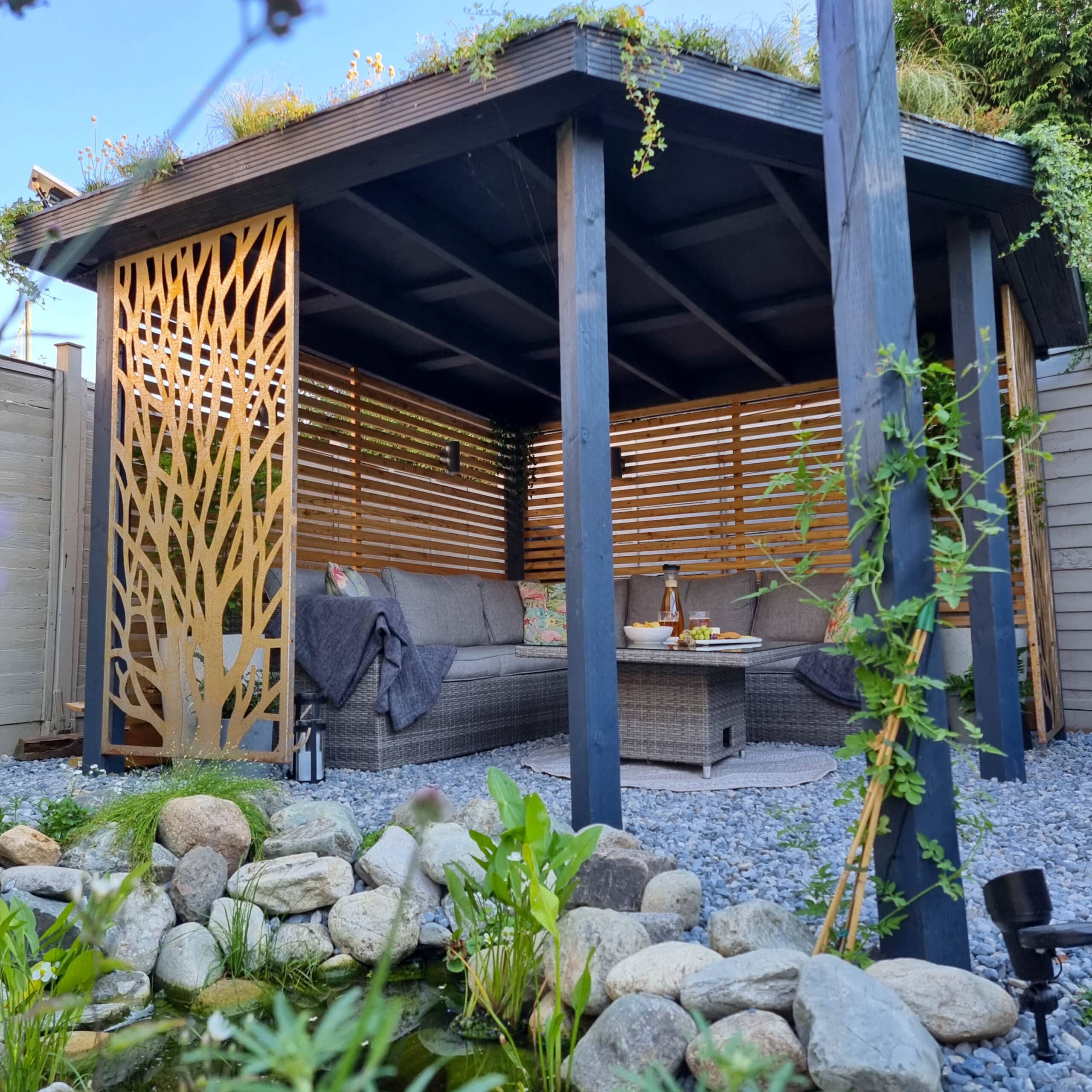
Creating a dream garden room is a perfect way to expand your living space, enhance your home’s functionality, and immerse yourself in nature without leaving the comfort of your property. Whether you envision a cosy retreat, a home office, or an entertainment hub, a garden room can provide endless possibilities. However, planning and designing a garden room that meets your needs and fits seamlessly into your outdoor environment requires careful consideration and creative planning.
*Collaborative post
In this guide, we’ll share essential tips to help you design and build your dream garden room, from choosing the right materials to using tools like a garden room configurator to bring your vision to life. We’ll also touch on the importance of working with landscape gardeners to ensure your garden room blends beautifully with its surroundings.
1. Define Your Purpose
Before diving into the design and construction of your garden room, it’s essential to clarify its purpose. Understanding how you intend to use the space will influence decisions such as size, layout, materials, and overall design. Common uses for garden rooms include:
- Home Office: If you’re working remotely, a garden room can provide a dedicated workspace away from household distractions. You may need ample windows for natural light, proper insulation, and electrical outlets for office equipment.
- Entertainment Space: For those who enjoy hosting gatherings, consider designing a garden room with open areas, comfortable seating, and perhaps even a small kitchenette or bar.
- Wellness Retreat: If relaxation is your goal, you might prioritize calming aesthetics, cosy furnishings, and space for yoga, meditation, or reading.
- Gym or Hobby Room: For fitness enthusiasts, a garden room can be transformed into a gym, or you could design it as a studio for your favourite hobby, such as painting or crafting.
By defining the purpose of your garden room from the start, you’ll have a clearer picture of what to prioritize when planning its design and functionality.
2. Choose the Right Location
The location of your garden room is one of the most crucial factors in your design process. It will determine how much sunlight the room receives, how easily it can be accessed, and how it fits into the overall layout of your garden. Ideally, you want a spot that offers privacy and tranquillity while still being conveniently close to your home.
Consider the orientation of your garden room to maximize natural light throughout the day. South-facing rooms will receive the most sunlight, making them ideal for spaces where you want warmth and light. However, if you plan to use the room as an office or studio, you may want to avoid excessive glare, in which case an east or west-facing room might be preferable.
Tip:
Survey your garden during different times of day to observe how the light changes, and consider how much shade or sunlight you’d like in your garden room.
3. Design for Year-Round Use
If you want to enjoy your garden room throughout the year, not just during warmer months, it’s important to focus on insulation and climate control. Insulated garden rooms are designed to remain cosy in the winter and cool in the summer, making them a comfortable space no matter the season.
Double-glazed windows, efficient wall insulation, and high-quality flooring with underfloor heating are all excellent options for maintaining a comfortable temperature year-round. You can also incorporate a small electric heater or air conditioning unit for added comfort.
Tip:
When using a garden room configurator, make sure to include options for insulation and climate control to see how they fit into your design and budget.
4. Integrate with Your Garden Design
A key aspect of creating a dream garden room is ensuring that it complements your existing outdoor space. Your garden room should feel like a natural extension of your garden, blending seamlessly with the landscape rather than standing out as a separate structure. This is where working with landscape gardeners can be incredibly beneficial.
Landscape gardeners can help you plan the surrounding greenery, pathways, and hardscaping to ensure that your garden room feels like a harmonious part of the overall design. They can also recommend plants and materials that suit the style of your garden and the architecture of your home.
Consider softening the transition between your garden room and the rest of the garden with features like trellises, climbing plants, or small flower beds. You could also create a patio or decking area for an outdoor seating space, enhancing the connection between indoor and outdoor living.
Tip:
Work closely with your landscape gardeners to ensure the garden room’s design enhances the natural beauty of your garden, whether through complementary planting or carefully planned pathways.
5. Select High-Quality Materials
The materials you choose for your garden room will have a significant impact on both its appearance and durability. Given that garden rooms are exposed to the elements, selecting weather-resistant materials is essential. Common options for garden rooms include:
- Wood: Timber is a popular choice for garden rooms due to its natural, warm appearance. It’s essential to choose treated wood that can withstand rain, sun, and temperature changes.
- Aluminium or Steel: For a modern, industrial look, metal frames offer sleek lines and excellent durability. These materials are highly resistant to corrosion and require minimal maintenance.
- Composite Materials: These materials combine wood fibres and plastic for a durable, low-maintenance option that still provides a natural look.
Don’t forget to select durable roofing materials, and ensure the foundation is strong enough to support the room for many years to come.
Tip:
When using a garden room configurator, experiment with different materials and finishes to visualize how they’ll look together in your design.
6. Incorporate Plenty of Natural Light
Natural light is one of the best features of any garden room. Large windows, sliding glass doors, and skylights can flood the space with daylight, making it feel more open, inviting, and connected to nature. The more natural light you can bring in, the better—especially if you’re using the room as an office, studio, or reading nook.
However, it’s also important to think about window coverings for when you need privacy or want to block out excessive sunlight. Blinds, curtains, or tinted glass are options to consider depending on the level of light and privacy control you need.
Tip:
If your garden room is located near trees or other tall plants, consider how shadows might affect the light entering the room at different times of the day.
7. Plan for Practical Features
While aesthetics are important, don’t overlook the practical features that will make your garden room functional and comfortable. If you plan to use the space as an office or studio, make sure you have ample electrical outlets, lighting, and possibly even plumbing if a small kitchenette or bathroom is part of your vision.
Other practical features to consider include:
- Storage Solutions: Built-in shelving or storage units can keep the space tidy and organized.
- Ventilation: Proper ventilation is essential for keeping the room fresh and preventing condensation, especially if you’re using it year-round.
- Security: Ensure the garden room is secure with good-quality locks, and consider outdoor lighting or security systems.
Tip:
When designing your garden room, think about what furniture or equipment you’ll need and how these features will integrate into the space.
Conclusion
Creating your dream garden room is an exciting opportunity to enhance your living space while enjoying the beauty of the outdoors. By carefully considering the purpose, location, materials, and integration with your garden, you can design a space that is both functional and aesthetically pleasing. Use a garden room configurator to help visualize your ideas and fine-tune your design, and don’t hesitate to work with landscape gardeners to ensure that your garden room fits seamlessly into your outdoor space.
With thoughtful planning, your dream garden room can become a tranquil retreat, productive workspace, or vibrant entertainment area, adding value and joy to your home for years to come.