
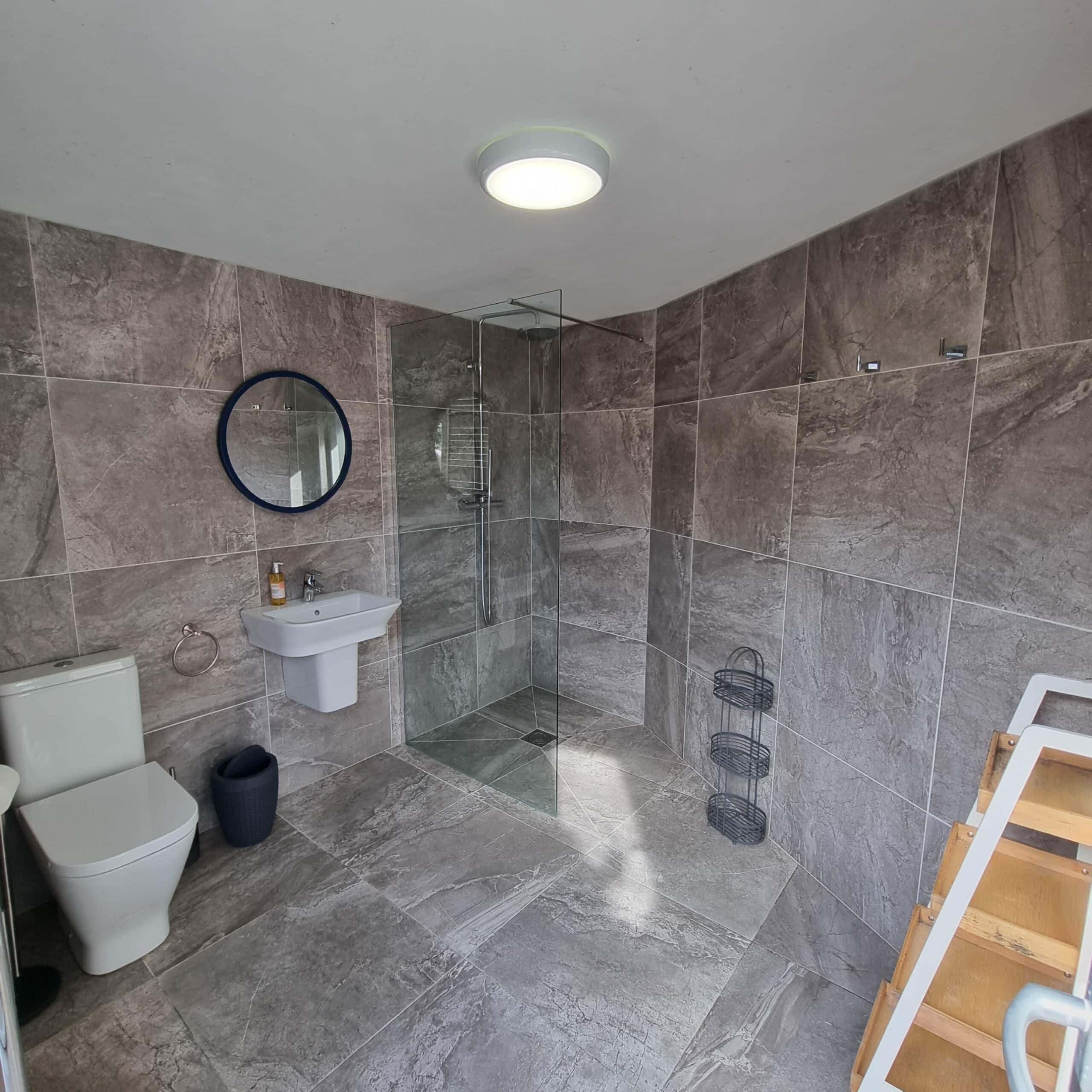
Basements are often overlooked during home renovations. Yet, with smart updates, they can become functional, inviting and eco-friendly spaces. A sustainable basement makeover saves energy, reduces waste, and improves comfort all year round.
*Collaborative Post
Insulation and Heating
Insulation is the foundation of a comfortable basement. Without it, heat seeps out through walls and floors, leaving the room chilly and inefficient. Adding insulation traps warmth inside, lowering energy bills while keeping the space comfortable year-round. Insulated flooring is especially important—it stops the chill from creeping in underfoot.
Heating goes hand in hand with insulation. Basements often suffer from uneven warmth, with one corner feeling cosy while another stays icy. Underfloor heating fixes this by distributing heat evenly across the space. A circulation pump is the perfect partner to this system. It keeps hot water flowing steadily, ensuring every inch of your basement stays warm. To explore your options, discover energy-efficient circulation pumps and see how these systems can revolutionise your basement.
Modern circulation pumps also adjust to demand, which means they use less energy when heating needs are lower. This saves resources and keeps your home running efficiently. Combine insulation with energy-smart heating systems, and your basement can become a room you love to use, even on the coldest days.
Moisture Control
Humidity and dampness are common basement issues. High moisture levels can damage materials and create health risks. Addressing moisture problems is critical for a successful renovation.
Start by sealing cracks in the walls and floors to prevent water leaks. This step helps protect against dampness and structural damage. Use a dehumidifier to maintain balanced humidity levels. Look for an energy-efficient model to keep power usage low.
Ventilation is also important. Proper airflow prevents stale air from settling and discourages mould growth. Pairing moisture control with insulation and heating makes the basement safer and more comfortable.
Sustainable Design
Sustainable materials can elevate your renovation while lowering environmental impact. Reclaimed wood, for example, works beautifully for flooring or furniture. It’s durable and aesthetically pleasing and helps reduce waste by repurposing existing materials.
Choose paints and finishes with low or no volatile organic compounds (VOCs). These products improve indoor air quality and promote a healthier home environment. Opt for durable materials that stand the test of time, minimizing the need for replacements and cutting down on waste.
By prioritizing insulation, moisture control and sustainable design, you can turn your basement into an efficient, welcoming space that saves energy and feels great to use.
Comments are closed.