
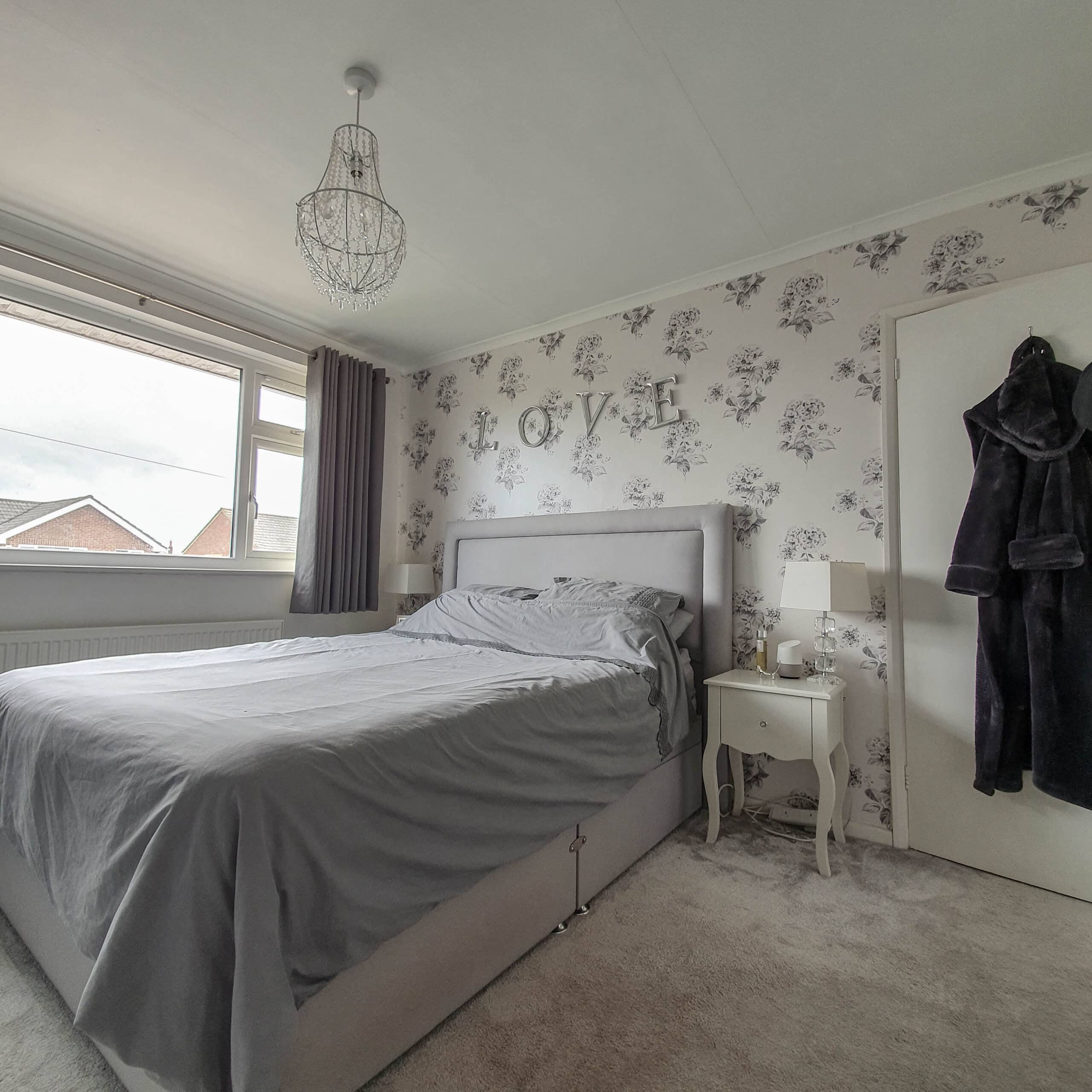
Terrys Fabrics, a UK-based family business founded in 1970, operates within a home furnishings market valued at approximately $7.75 billion in 2026, according to industry estimates from Statista and Mordor Intelligence. The company focuses on fabrics, curtains, blinds, and related soft furnishings, serving primarily value-conscious homeowners. In a sector dominated by large retailers such as Dunelm and IKEA, Terrys Fabrics represents a smaller, independent operator competing on product range depth, pricing strategy, and service expertise rather than scale.
From its origins in market stalls across Staffordshire towns, including Congleton, Leek, and Crewe, the company has expanded into a warehouse operation in Stoke-on-Trent and an online retail platform offering nationwide delivery. Today, it stocks more than 4,000 fabric options and operates a hybrid model combining physical retail with e-commerce.
Extensive Fabric Range and Stock Availability
One of the defining characteristics of Terrys Fabrics is the scale of its in-stock offering relative to its size. The company reports carrying over 4,000 fabrics, alongside ready-made curtains, blinds, bedding, cushions, and curtain hardware. This breadth aligns with wider consumer demand for variety in the UK home textiles market, where shoppers increasingly seek customisation without long lead times.
Unlike many competitors that rely heavily on made-to-order supply chains, Terrys emphasises stock availability. Inventory levels are updated approximately every 20 minutes, allowing customers to view real-time product availability. This approach supports quicker dispatch times and reduces uncertainty during the purchasing process.
The focus on immediate availability also reflects broader retail trends. According to UK e-commerce reports, consumers increasingly expect faster fulfilment in home and garden categories, where online penetration has surpassed 30 percent. By maintaining high stock levels, the company positions itself to meet these expectations without the infrastructure scale of larger retailers.
Value Positioning in a Competitive Market
The UK homeware and furniture retail market is highly competitive, with major players generating billions in revenue. Dunelm, for example, reports annual revenues exceeding £1.7 billion, highlighting the scale disparity faced by smaller operators. Within this context, Terrys Fabrics adopts a value-led pricing strategy.
The company states that it regularly reviews pricing and negotiates with suppliers to maintain competitive rates. Products are sourced from UK wholesalers as well as international suppliers, allowing flexibility in balancing cost and quality. This strategy aligns with current consumer behaviour shaped by cost-of-living pressures, where affordability remains a key purchasing driver.
Market research from Mintel and Deloitte indicates that UK consumers are increasingly prioritising value without sacrificing product quality. Terrys Fabrics’ positioning reflects this trend, offering discounted home furnishings while maintaining a focus on durability and design relevance.
The brand’s long-standing presence, spanning more than 55 years, also contributes to its credibility within this segment. Its continued operation suggests resilience in a market characterised by tight margins and shifting consumer preferences.
Integration of Digital Tools and E-commerce Trends
Terrys Fabrics has expanded its digital capabilities in line with broader e-commerce developments. The company operates an online store supported by secure payment systems and nationwide delivery through logistics providers such as FedEx and Evri. Orders placed before 2 pm are typically processed within 24 hours, reflecting an operational model geared toward speed.
A notable feature is the introduction of a visualisation tool, referred to as the ViSULiZR app, which allows customers to preview fabrics and furnishings within their own spaces. This aligns with a growing trend in online retail, where augmented reality and visual planning tools are becoming standard features.
Retail analysts note that visualisation technology plays an increasing role in purchase decisions, particularly for home décor products where scale, colour, and texture are critical factors. By incorporating such tools, the company demonstrates a shift from traditional fabric retailing toward a more digitally enabled model.
Expertise and Made-to-Measure Services
In addition to its product range, Terrys Fabrics emphasises service expertise as a differentiating factor. The company reports a team with more than 30 years of combined experience in fabrics and home furnishings. This expertise supports both in-store consultations and made-to-measure services.
Services include measuring, manufacturing, and fitting curtains and blinds, primarily for customers in Staffordshire and Cheshire. This localised service offering complements the national reach of its online store, creating a dual-channel model that caters to different customer needs.
The importance of expert guidance is reflected in broader consumer behaviour. Studies on home improvement trends indicate that many homeowners undertaking light renovation projects, such as updating window treatments, value professional advice to avoid costly mistakes. This is particularly relevant for first-time homeowners and DIY decorators.
Logistics, Delivery, and Returns Infrastructure
Operational efficiency is another key component of the company’s offering. Terrys Fabrics provides next-day delivery options across the UK, supported by established courier networks. Orders placed before the daily cut-off time are processed within 24 hours, enabling a relatively fast turnaround compared to traditional made-to-order models.
The company also offers a 28-day returns policy, which supports consumer confidence in online purchasing. In the context of home furnishings, where colour matching and fabric feel are significant factors, flexible returns policies are often a critical part of the decision-making process.
This logistics framework reflects wider developments in UK retail. According to the IMRG Online Retail Index, delivery speed and ease of returns remain among the top factors influencing customer satisfaction in e-commerce.
At the same time, supply chain pressures in the textile industry, including fluctuations in cotton prices and import costs, continue to affect retailers. By balancing local sourcing with international imports, Terrys Fabrics attempts to manage these challenges while maintaining pricing stability.
Position Within a Changing Retail Landscape
Terrys Fabrics operates within a sector shaped by several long-term trends, including increased time spent at home, growth in DIY home improvement, and rising demand for value-driven products. The company’s combination of stock availability, competitive pricing, and service expertise reflects an attempt to align with these trends while maintaining its identity as an independent retailer.
Although it does not match the scale of major UK homeware chains, its focus on niche specialisation and operational flexibility allows it to occupy a distinct position in the market. As the home furnishings sector continues to evolve, particularly through digital integration and changing consumer expectations, the company’s hybrid model may remain a relevant approach within a fragmented and competitive landscape.
Industry forecasts suggest modest but steady growth in the home textiles category, driven by lifestyle changes and ongoing investment in living spaces. Within this environment, smaller retailers such as Terrys Fabrics continue to play a role by offering targeted expertise and accessible pricing in a market dominated by larger competitors.