
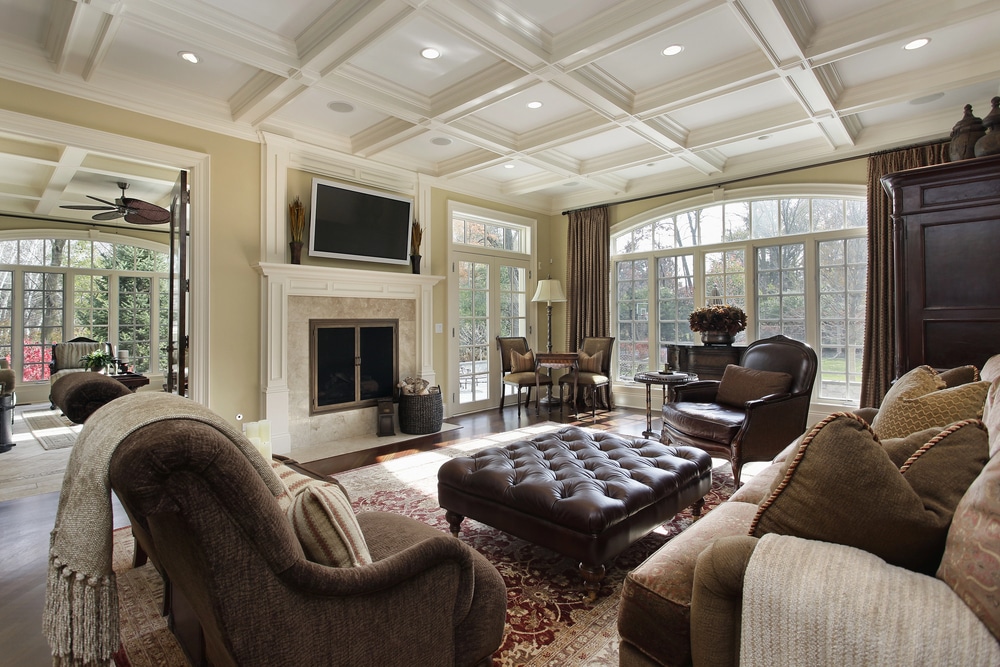
Modern home furniture promises clean lines and calm rooms, but the showroom price tags can feel like a tax on taste. You do not need the flagship pieces to get the look. When you shop for modern home furniture, the win is a coordinated home built piece by piece, not bought in one expensive sweep.
The modern look rests on a few repeating notes: neutral surfaces, honest materials, and uncluttered layout. Hit those and the room reads designed, whatever the budget behind it, because the eye reads the pattern before it reads the price of any single thing in the space.
Start with one anchor piece
Buy the sofa or the dining table first, since it sets the scale for everything else around it in the room. A good anchor lets cheaper pieces nearby look intentional rather than like a mismatch you regret. Choose a neutral, well built anchor and build out from there over time, because one strong piece beats five timid ones that each cost a little and add up to nothing. The anchor also gives you a color and a proportion to match later, which makes every later choice easier and faster. Resist the urge to fill the room at once, because the empty space around a good anchor reads as calm, not as missing furniture you must rush to replace before guests arrive on the weekend.
Repeat materials, not brands
Modern cohesion comes from repeating a wood tone or a metal finish across the rooms, not from buying one brand head to toe. A walnut leg here, a walnut shelf there, and the house feels planned without the cost of a matched set. You do not need one label; you need one consistent note that the eye can follow from room to room. Repeat it three times and the harmony shows, whether the pieces came from the same store or three different ones over a year. This also lets you buy on sale when the note appears, rather than paying full price for a bundle. The trick is discipline, not budget, and the disciplined room looks richer than the room that chased a single catalog from cover to cover without
Let negative space do work
Modern rooms breathe, and the empty wall or floor is a choice, not a gap you forgot to fill. Leave space on purpose rather than crowding every corner with a thing you bought on impulse during a slow afternoon. A bare wall behind the sofa is a design decision that costs nothing and reads as confidence, not as missing decor you should have hung. Resist the urge to fill, because restraint is the cheapest upgrade there is and the one most people skip. The eye needs a place to rest, and negative space gives it that rest, which is why sparse modern rooms feel larger than they measure. Learn to stop before the room is full, and the pieces you kept will matter more than the ones you left at
Lighting changes everything
Swap a harsh overhead for a warm floor lamp and the same furniture looks richer by evening, because light sets the mood more than any single chair does. Layer a table lamp with a soft bulb, and the room calms the moment the sun goes down and the bright panel goes off. Lighting is often the lowest cost, highest impact change in a modern home, so spend here before you buy another seat you do not need. A dimmer on the main source lets you shift from task to calm with a slide, which extends the life of the room through the day. Most people light a room to see, but the modern home lights a room to feel, and the feeling is what guests remember after they leave and
Mix high and low with care
Pair a quality sofa with an affordable side table, or a statement chair with a basic shelf, and the eye settles on the best piece and forgives the rest of the room around it. Avoid splitting the difference with all mid pieces, which reads as neither bold nor calm and leaves the room without a hero to anchor the eye. One hero, many supporters, is the formula that makes a budget look planned rather than pinned. The hero can be small, a single chair or a real wood table, as long as it carries the weight of the room’s character. Spend where the touch and the sight meet most, and save where the piece is background, and the mix will read as taste rather than as a compromise you made
Buy for the long run
Trend pieces fade; a simple oak table does not, and the shape that survived the last decade will likely survive the next one too. Choose forms that outlast the cycle of the season, and you will replace less and spend less over the years that follow. Fewer, better pieces cost less across time than constant replacement of things that broke or bored you within a year of bringing them home. The modern home is really a patient one, built to stay rather than to impress for a single photo you post and forget. When in doubt, pick the plainer option with the stronger joint, because the joint is what your children will test and the plain top is what your taste will still accept when the trend has long since
Shop your own home first
Before buying anything new, move what you own and see the room with fresh eyes, because the sofa you planned to replace may work once the rug beneath it changes. A lamp from the bedroom can land in the living room and fix the mood for free, and a frame from the hall can fill the bare wall you were about to spend on. Rearranging costs nothing and often solves the problem the new purchase was meant to address. Take a photo of the room and view it as a stranger would, since the daily view hides the obvious fix. The modern home rewards this kind of attention, and the money saved stays for the one piece that truly moves the room, which is the piece worth the wait and
Keep the calm as you add
As you bring pieces in over time, protect the calm you started with by refusing the one more thing that tips the room into clutter you cannot undo. Each new item should earn its square foot by repeating a note already present or by filling a real gap, not by adding a color the room never asked for. The modern home is a practice, not a purchase, and the discipline shows in what you leave out as much as in what you choose to keep. Review the room every few months and remove the thing that no longer serves the whole, because the eye counts the extras faster than you think. A home built this way stays modern without renovation, and the look you wanted arrives through patience rather than
|
Step |
Move |
|
1 |
One strong anchor piece |
|
2 |
Repeat one wood or metal note |
|
3 |
Leave negative space |
|
4 |
Warm layered lighting |
|
5 |
Mix one hero, many supports |
|
6 |
Buy shapes that last |
A modern home is built, not bought in a day, because the look arrives through patience rather than through a single sweep you later question. Anchor the room, repeat a material, leave space to breathe, and let light do the heavy lifting for free. Mix one hero piece with honest supporting ones, and choose shapes that outlast the trend that named them. Shop your own home before the store, and keep the calm as