
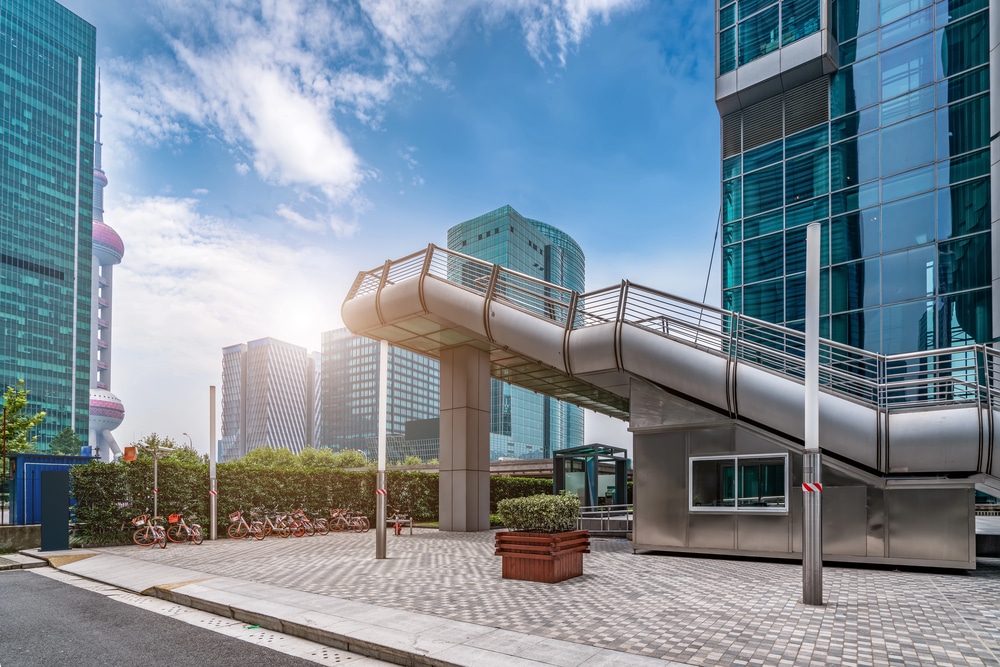
Vacant commercial buildings are not just a liability. They are a second chance. Across cities and town centres, under-used offices and retail units are being reimagined as cultural hubs, shared workspaces, housing, and mixed-use community anchors. Developers who approach adaptive reuse with a long-term mindset often unlock more than rental income. They create places people actually want to gather, spend time in, and support.
* Collaborative post
Market Demand and Financial Viability in Adaptive Reuse
Before design sketches begin, demand must be proven. Converting an office into a community-led space only works if the surrounding population will use it consistently.
Green certifications often increase commercial property values. Higher values and lower running costs directly affect your exit strategy and rental projections. Investors increasingly look for energy-efficient, community-focused assets.
Feasibility studies should assess more than square footage and headline rents. Long-term operational costs, shared-space maintenance, and flexible layouts influence whether the scheme thrives five years from now.
Developers should pressure-test assumptions by focusing on:
- Local demand for cultural, social, or co-working uses
- Income diversity from mixed-use tenants
- Operational resilience in slower economic cycles
Community spaces succeed when revenue streams are layered rather than dependent on one anchor tenant.
Planning and Zoning Differences in Countries
Regulation shapes what is possible long before construction starts. Planning systems in the UK and the US operate on very different assumptions about land use and change of use. The same often applies to other countries.
In England, permitted development rights have expanded in recent years. The updates have removed certain floorspace limits and vacancy requirements for converting commercial premises.
Greater flexibility can speed up projects. But local authorities in the UK may still apply Article 4 directions that restrict automatic rights in specific areas.
In the US, zoning codes often remain more rigid and locally controlled. Adaptive reuse in dense cities can require structural reviews, updated fire compliance, and layered approvals, as highlighted in recent reporting by AP News about New York construction.
And approval timelines, environmental reviews, and community hearings vary significantly by state and municipality in the US.
Cross-border investors must avoid assuming regulatory symmetry. A strategy that moves quickly in Manchester may face extended entitlement processes in Manhattan. Differences in zoning approvals, environmental requirements, and transaction processes can lead to costly delays, compliance issues, or unexpected redevelopment expenses if they are not addressed early. So, if you’re US-based, early collaboration with a lawyer specialized in commercial real estate will help you navigate transaction work, evolving regulations, and complex considerations.
Commercial real estate lawyers operating in any country often coordinate planning consultants, environmental advisers, and funding partners to keep redevelopment aligned with both compliance and commercial goals.
Environmental Due Diligence and Long-Term Risk
Older buildings carry history. They also carry risk. Contamination, outdated materials, and legacy infrastructure can complicate even the most promising redevelopment.
Therefore, environmental due diligence is crucial before transfer or redevelopment. Site assessments, remediation plans, and clear documentation protect both buyers and lenders. Skipping these steps may delay funding or stall completion.
Climate-related regulation is also tightening in many markets. For example, transition risks could include stricter building codes and mandatory climate disclosures. Increased compliance costs can affect underwriting models and tenant attractiveness.
Forward-looking developers plan for energy upgrades, carbon reporting, and adaptable systems at the design stage. Retrofitting after tenants move in is significantly more disruptive and expensive.
Designing for Real Community Use
A building does not become a community space simply by changing its sign. Design choices determine whether people feel invited or excluded.
Successful projects balance heritage with flexibility. Movable partitions, shared kitchens, event-ready spaces, and accessible entrances, for example, encourage multi-generational use.
Natural light and indoor air quality also matter more than many realise, especially when spaces host workshops, classes, or evening events.
Community engagement during planning reduces resistance and improves long-term occupancy. Local groups can signal what is missing in the area, whether that is rehearsal space, affordable studios, or after-school programmes.
Developers who treat consultation as a strategic asset rather than a box-ticking exercise often gain stronger local backing.
Financing Structures and Stakeholder Alignment
Community-led redevelopment rarely relies on a single funding stream. Blended finance models are becoming more common, especially where social impact is central.
Historic tax credits, sustainability-linked loans, and public-private partnerships can all influence capital stacks. Each funding source may introduce additional reporting requirements or performance targets. Clear alignment at the outset avoids disputes later.
Stakeholder management extends beyond financiers. Local authorities, heritage bodies, and community organisations often require ongoing engagement. Transparent governance structures reduce friction and build trust across the lifecycle of the project.
Developers who treat community conversion as purely transactional risk missing reputational gains. Strong social outcomes can enhance brand equity and support future planning applications.
Turning Strategy Into Sustainable Community Value
Empty buildings represent dormant potential. Careful planning around market demand, regulatory frameworks, environmental risk, design intent, and finance transforms that potential into long-term value.
Adaptive reuse is not a shortcut. It is a strategy that rewards preparation and disciplined execution. Developers who integrate legal insight, sustainability thinking, and genuine community input are more likely to deliver projects that remain relevant for decades.
Was this article helpful? If so, be sure to explore some of our other related posts.