
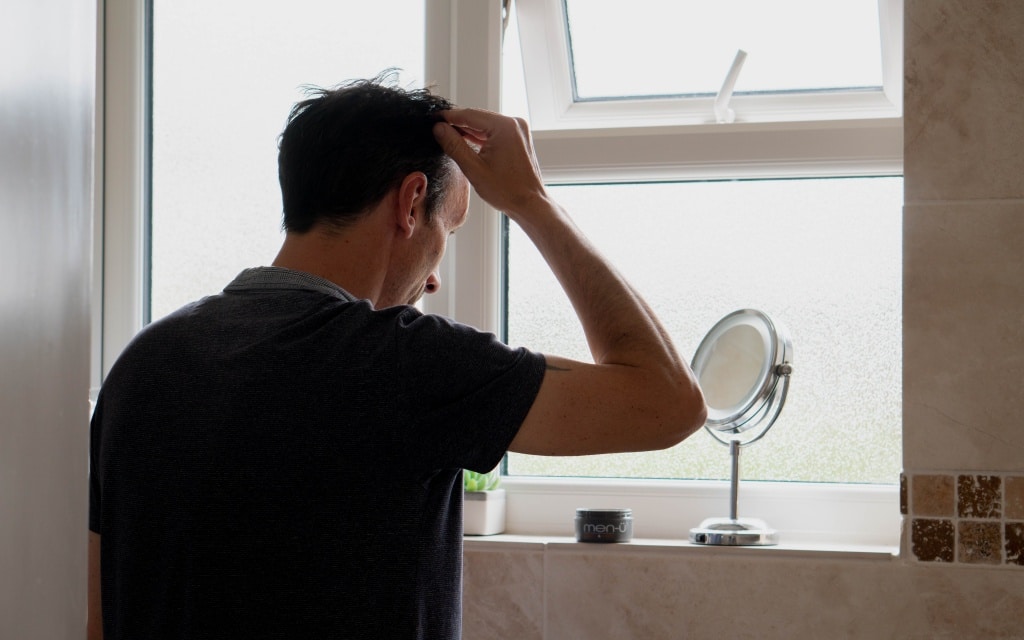
Taking care of your hair after a transplant is about supporting your body to achieve the healthiest, fullest result possible. Your daily habits and choices can directly affect how well your new hair settles, grows, and looks over time. To make your investment worthwhile, give your hair the best chance to thrive. Read on to discover some of the best tips that truly matter.
*Collaborative Post
Why Personalised Care Matters
The way you care for your hair after a transplant plays a major role in how well it grows and settles. Everyone’s hair, scalp, and healing response are different. That’s why personalised aftercare is most effective.
Clinics like Treatment Rooms London that take the time to tailor care based on your age, scalp condition, and lifestyle tend to offer better long-term results. From your first consultation to recovery, you’re guided through every step, including what you should avoid, how to sleep, and when to return to activity.
This level of care may improve comfort, reduce complications, and support stronger, more natural regrowth. It’s not just about the procedure, but how you live after it that makes the difference.
Tailored advice also helps you stay realistic about your progress. Some patients see new hair growth within months, while others take longer. With regular check-ins and expert support, you’re more likely to stay motivated through each phase.
Build a Gentle Hair Routine
Your scalp needs time to heal after a transplant. For the first few weeks, it’s best to avoid rubbing, scratching, or applying pressure to the area. Use mild, fragrance-free shampoos and pat the scalp dry with a clean towel. Once your doctor says it’s safe, you can return to washing more regularly, but always stay gentle.
Avoid using hot water, strong styling products, or blow-dryers early on. This care helps prevent inflammation and reduces the risk of dislodging delicate grafts. Stick to air-drying your hair wherever possible. If you must use a dryer, switch to the cool setting and keep it at a distance. Harsh heat not only harms grafts but can dry out the scalp, affecting recovery.
Avoid Smoking and Alcohol
Smoking may reduce blood flow to your scalp, which might delay healing and harm hair regrowth. Alcohol, on the other hand, may affect your immune system and slow down recovery. For the first few weeks after surgery, it’s best to stop or reduce these habits as much as possible. Long-term, avoiding both supports healthier hair and skin.
If you’re finding it hard to quit, speak to your doctor or pharmacist. There are many stop-smoking aids and alcohol reduction plans that can support your overall recovery. Keeping your system in optimal condition benefits both your hair and your general well-being.
Sleep in the Right Position
In the first week or two, how you sleep can affect healing. Try sleeping with your head slightly raised, about 45 degrees, using two pillows or a wedge. This can help reduce swelling around your forehead and eyes. Lying flat or turning on the side too early might increase discomfort or pressure around the treated areas.
You can also try sleeping in a recliner chair if pillows don’t offer enough support. Some patients find it easier to control their head position this way and avoid turning in their sleep. A soft neck pillow may help reduce involuntary movement as well.
Choose a Balanced Diet
What you eat might play a role in how well your hair grows back. Your body needs protein, iron, zinc, and vitamins to build strong, healthy strands. Include eggs, leafy greens, nuts, and fish in your meals.
Drinking enough water also keeps your scalp hydrated and supports circulation. If you’re unsure, a GP or nutritionist can guide you on the right foods during recovery.
Supplements may also be considered, but only with medical approval. While biotin is often marketed for hair health, taking it unnecessarily or in high doses may interfere with blood tests or be unhelpful. Always check with a healthcare professional first.
Stay Active, But Take It Slow
Light movement, like walking, may help improve blood flow and speed up healing. But for at least 10 to 14 days, avoid intense workouts, weightlifting, and swimming. Sweat, pressure, and excessive movement could stress your scalp and loosen grafts.
Once your doctor gives the all-clear, slowly return to normal activity. Even when you’re cleared to return to exercise, choose low-impact activities to start with. Yoga, light cycling, or gentle resistance bands are safer than high-intensity workouts. Avoid contact sports or anything involving helmets until fully healed.
Understand the Healing Timeline
Healing after a hair transplant takes time, and each stage brings visible changes. Early on, expect redness and scabbing. By week two or three, shedding of the transplanted hairs is normal and part of the process.
New growth typically begins by month three or four. Noticeable improvement shows by six months, but full results may take up to a year. Taking monthly photos helps you monitor progress and stay encouraged throughout recovery.
Stay in Touch With Your Clinic
Don’t overlook follow-up appointments. They are an important part of the process. Regular check-ins allow your clinic to assess healing, catch issues early, and adjust your care plan if needed. If something feels off, don’t wait for your next scheduled visit. Reach out.
Your clinic might also offer supportive treatments like PRP (Platelet-Rich Plasma) to encourage regrowth. These add-ons can make a noticeable difference when used at the right time.
Conclusion
Looking after your hair transplant isn’t just about what happens in the clinic. The months that follow are just as important for protecting your results. With careful choices, patience, and support from professionals, you’ll be more likely to enjoy thicker, natural-looking hair for years to come.