
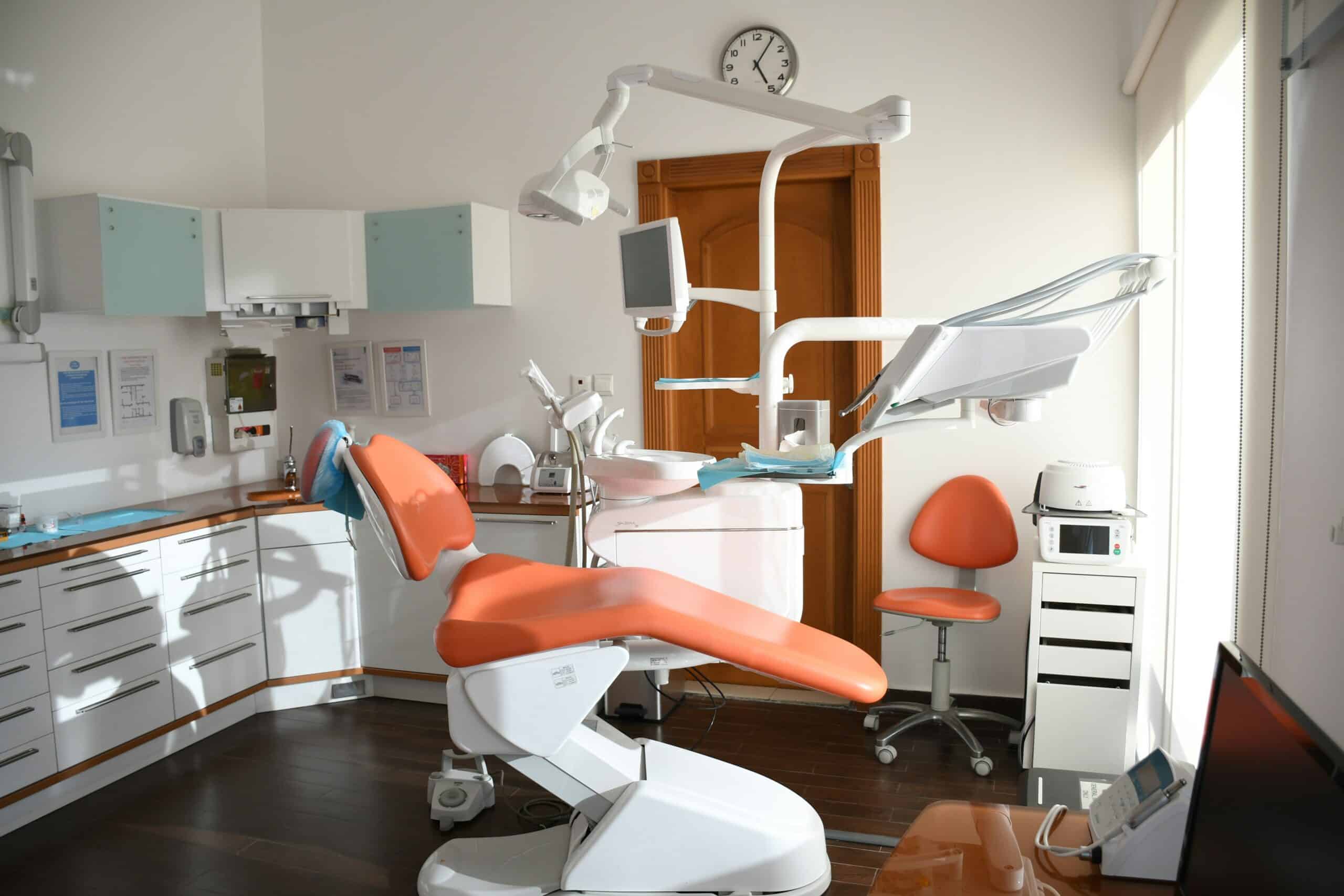
Dental visits have changed. The tools your dentist uses today are faster, more accurate, and far more comfortable than those used even a decade ago. Modern dental technology reduces treatment time, improves outcomes, and makes the entire experience less stressful for patients.
Digital systems replace older methods that were slower and less precise – patients now benefit from shorter appointments, clearer diagnoses, and treatments that feel gentler. Understanding how these technologies work helps you make informed and confident choices about your oral health.
The evolution of dentistry: from traditional to digital
Traditional dentistry relied on manual impressions, film X-rays, and longer waiting times for lab work. These methods worked, but they had limits. Film X-rays took time to develop, physical impressions were uncomfortable and lab turnarounds delayed treatment.
Thankfully, digital tools eliminate many of these issues. Dentists now capture images instantly, design restorations on-screen, and complete treatments in fewer visits. The shift to digital has made dentistry far more efficient and patient-focused.
At a family dentist clinic like Church View Dental, advanced equipment supports every stage of care. Modern practices invest in technology that aligns with current clinical standards and improves patient outcomes.
Digital dental imaging: clearer diagnosis and better results
Digital dental imaging replaces traditional film with sensors that capture images immediately. The dentist views these images on a screen within seconds and this speed allows for real-time discussions about your oral health.
How digital x-rays reduce radiation exposure
A real bonus for health is that digital X-ray technology uses significantly less radiation than film. The sensor captures images with minimal exposure, making the process safer for patients of all ages. This is especially important for children and those who require frequent imaging. The reduced radiation levels align with ALARA principles (As Low As Reasonably Achievable), which guide radiation safety in healthcare.
Instant results for faster treatment planning
Digital images appear on the screen instantly, so your dentist can explain findings during the same appointment. This immediacy helps you understand your condition and make decisions without delay. Treatment plans move forward faster because there’s no waiting for film to develop.
Intraoral scanners: saying goodbye to uncomfortable impressions
Intraoral scanners capture detailed 3D images of your teeth and gums. A small wand moves around your mouth, recording precise measurements. The process takes minutes and feels far more comfortable (and way less yuck) than traditional putty impressions.
The benefits of 3D dental scanning technology
3D dental scanning technology creates a complete digital model of your mouth. This model helps your dentist plan treatments with greater accuracy and it also allows you to see what your teeth look like from every angle, making it easier to understand recommended procedures.
If you’re looking for a family dentist in Upminster, ask whether digital scanning is available. The technology improves accuracy for many common procedures.
Improved accuracy for crowns, bridges, and aligners
Digital scans produce highly accurate data, and this precision improves the fit of crowns, bridges, and clear aligners. Better fit means better comfort and longer-lasting results and many patients notice the difference immediately. Accurate impressions reduce the need for adjustments and remakes.
Laser dentistry treatments: precision and comfort combined
Laser dentistry uses focused light to treat soft and hard tissue. The laser targets specific areas without affecting surrounding tissue – this precision reduces discomfort and speeds up healing.
What procedures benefit from laser technology?
Lasers treat gum disease, remove decay, and reshape gum tissue. They also perform biopsies and treat mouth ulcers. Because the laser seals blood vessels as it works, bleeding and swelling are minimal and many procedures require less local anaesthetic or none at all. This approach suits patients who feel anxious about needles or injections.
Reduced discomfort and faster healing times
Laser treatments cause less trauma to tissue as well as patients experiencing less pain during and after procedures. Healing happens faster because the laser promotes tissue regeneration, and this means fewer follow-up visits and quicker recovery. The reduced need for sutures and stitches also improves comfort.
CAD/CAM dentistry: same-day restorations made possible
CAD/CAM dentistry brings together computer-aided design and manufacturing to streamline the restoration process. Rather than waiting weeks for a lab-made crown, the dentist designs your restoration digitally and mills it on-site – often in just a few hours. That means fewer appointments, no temporary fittings, and a much faster turnaround.
How computer-aided design transforms dental work
The dentist scans your tooth and designs your crown or veneer digitally, with the 3D model visible on screen. You can see the design before it’s made, and any adjustments can be done instantly. Once approved, the milling machine shapes the restoration from a solid block of ceramic. Because the entire process is digital, the fit is highly precise.
The advantages of in-surgery fabrication
Same-day restorations mean no temporary crowns and no need to come back for multiple appointments. You walk out with your permanent crown or veneer in just one visit. It’s a huge time-saver – and it also reduces the risk of issues that can come with wearing a temporary fitting. For anyone juggling work, family, or a packed diary, the convenience of same-day treatment makes a real difference.
Advanced dental equipment for painless dental procedures
Modern dentistry puts comfort first. Today’s advanced equipment is designed to be quieter, gentler, and less invasive. It reduces vibrations and noise while being kinder to teeth and gums. All of this helps make dental visits feel far less daunting and a lot more comfortable.
Sedation options and comfort technology
For patients who feel anxious about treatment, many practices now offer sedation options to help you stay calm and comfortable. Nitrous oxide (also known as gas and air) and oral sedation can make a big difference if nerves tend to get in the way. Comfort is also built into the environment, with ergonomic chairs and calming surroundings designed to put you at ease. If anxiety has stopped you from booking in, it’s worth having a chat with your dentist about what support is available.
How modern tools minimise treatment time
Electric handpieces are faster and smoother than older drills, which means treatment feels quicker and more comfortable. Ultrasonic scalers make cleaning more efficient with less discomfort, and digital tools help streamline many procedures. This results in shorter appointments and less time in the chair.
Real patient benefits: what modern dentistry techniques mean for you
Modern dental techniques come with real benefits. You spend less time in the chair, feel more comfortable during treatment, and enjoy better results that last. Technology supports your dentist’s expertise, helping to make every part of your care more efficient and effective.
Shorter appointments and fewer visits
Digital workflows help streamline the entire treatment process. With same-day restorations, instant imaging, and accurate digital scans, you often need fewer appointments to get the results you want. That means you save time, stay on track, and avoid unnecessary disruption to your day-to-day routine.
More predictable and long-lasting outcomes
Digital planning and fabrication make treatments more accurate. When everything is designed and fitted with precision, your results tend to last longer. There’s less room for error, which means things go more smoothly and the outcome is exactly what you expect.
What should you look for in a modern dental practice?
When choosing a dental practice, it’s worth finding one that keeps up with modern technology and knows how to use it well. Ask what tools they use for things like scans, impressions, and restorations. A forward-thinking practice will usually offer digital X-rays, intraoral scanners, and same-day treatment options where they’re a good fit.
It’s also important to feel confident that the team understands how this tech benefits you. Clear explanations help build trust. The best practices use technology to genuinely improve your care and experience – not just to look high-tech. And of course, they should always follow NHS clinical guidelines and uphold the highest standards for safety and infection control.
Is modern dental technology right for your needs?
If comfort, efficiency, and precision matter to you, modern dental technology has a lot to offer. Shorter appointments, less discomfort, and more reliable results can really improve your overall experience.
Look for a practice that pairs up-to-date equipment with a patient-first mindset. Don’t be afraid to ask how their technology supports your care – it’s a great way to understand what to expect. When the right tools are in the hands of the right team, every visit feels smoother and every treatment works better. And with regular check-ups backed by modern tech, it’s easier to stay on top of your oral health and catch any issues early.