
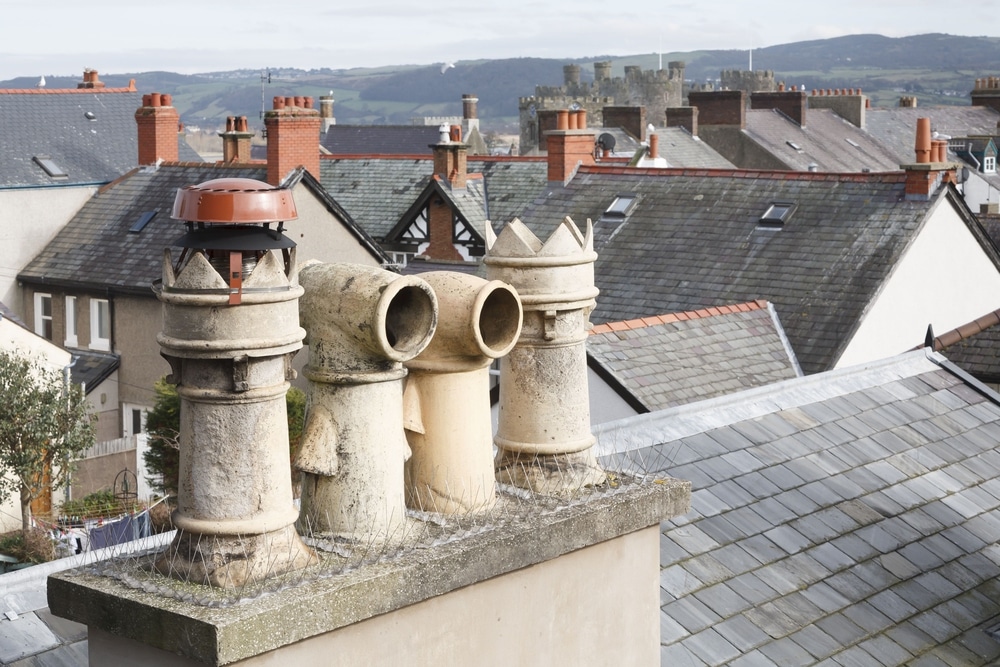
A roof flashing seals the gap where a duct passes through a roof, and a cowl caps the open end so air can leave without rain getting in. Together they protect the roof structure and keep the ventilation system working as planned. Suppliers such as Alpha Air stock these parts alongside spiral ducting. Knowing what each one does helps you choose the right fit.
* Collaborative post
What a Roof Flashing Does
A flashing is a shaped collar that sits around a duct where it meets the roof surface. Its job is to stop water running down the outside of the pipe and into the building. It usually has a sloped or flat base that lies under or over the roof covering, depending on the roof type.
Without one, the opening around a duct becomes a weak point. Rainwater can find its way into insulation and ceilings over time. A well-fitted flashing removes that risk.
What a Cowl Adds at the Top
A cowl sits on the end of the duct above the roof. It lets exhaust air or fumes escape while keeping out rain, leaves and birds. Some designs also shield the opening from wind, which can push air back down the duct.
Think of the cowl as a hat and the flashing as a collar. One guards the open end, and the other guards the point where the pipe meets the roof. You normally need both.
Matching the Parts to Spiral Ducting
Spiral ducting is a round, rigid duct made from wound metal strip. Flashings and cowls for it are sized to the duct diameter, so an accurate measurement matters. A part that is too loose will leak, and one that is too tight will not fit at all.
Check the outer diameter of the duct before ordering. Also confirm that the connection style matches the rest of the run, since fittings from different systems may not join neatly.
Roof Type and Pitch
Pitched roofs and flat roofs need different flashing bases. On a pitched roof, the base must match the angle of the slope so water drains away from the duct. On a flat roof, the base is often a level plate that is sealed into the waterproof membrane.
Roof coverings vary too, from tiles and slates to metal sheeting and felt. Each one affects how the flashing is laid and sealed. A roofer can tell you which style suits your surface.
Choosing Materials and Finish
Most flashings and cowls are made from metal, and the finish affects how long they last outdoors. Galvanised steel is common because it resists rust. Aluminium is lighter and copes well with wet and windy weather.
Consider what the duct carries. Kitchen extract, workshop fumes and general fresh air each place different demands on the materials. If you are unsure, ask the supplier or a ventilation engineer before you buy.
Airflow and Noise
A cowl should not choke the airflow. A design with a narrow opening can add resistance, which makes a fan work harder and can create noise. Check that the cowl is rated for the duct size and the air volume you expect.
Strong gusts can cause whistling or backdraught on exposed roofs. Picking a cowl built for your setting reduces both problems.
Installation and Ongoing Checks
Fitting at roof height carries real risk, so many homeowners hire a qualified installer. The flashing must be sealed carefully, and the cowl must be fixed so it stays put in strong wind. Poor sealing is a common cause of later leaks.
Once installed, inspect the parts once or twice a year. Look for loose fixings, cracked sealant, dents and blocked openings. Small repairs are cheap compared with fixing water damage.
Planning Your Roof Penetration with Confidence
A little planning before the first cut in the roof saves a great deal of trouble later. Measure the duct, note the roof type and decide where the exit will sit. Think about access too, because you will want to reach it for checks. If any step feels uncertain, a roofer or ventilation specialist can review your plans. A short conversation at the start is usually better than a repair after the first heavy storm.