
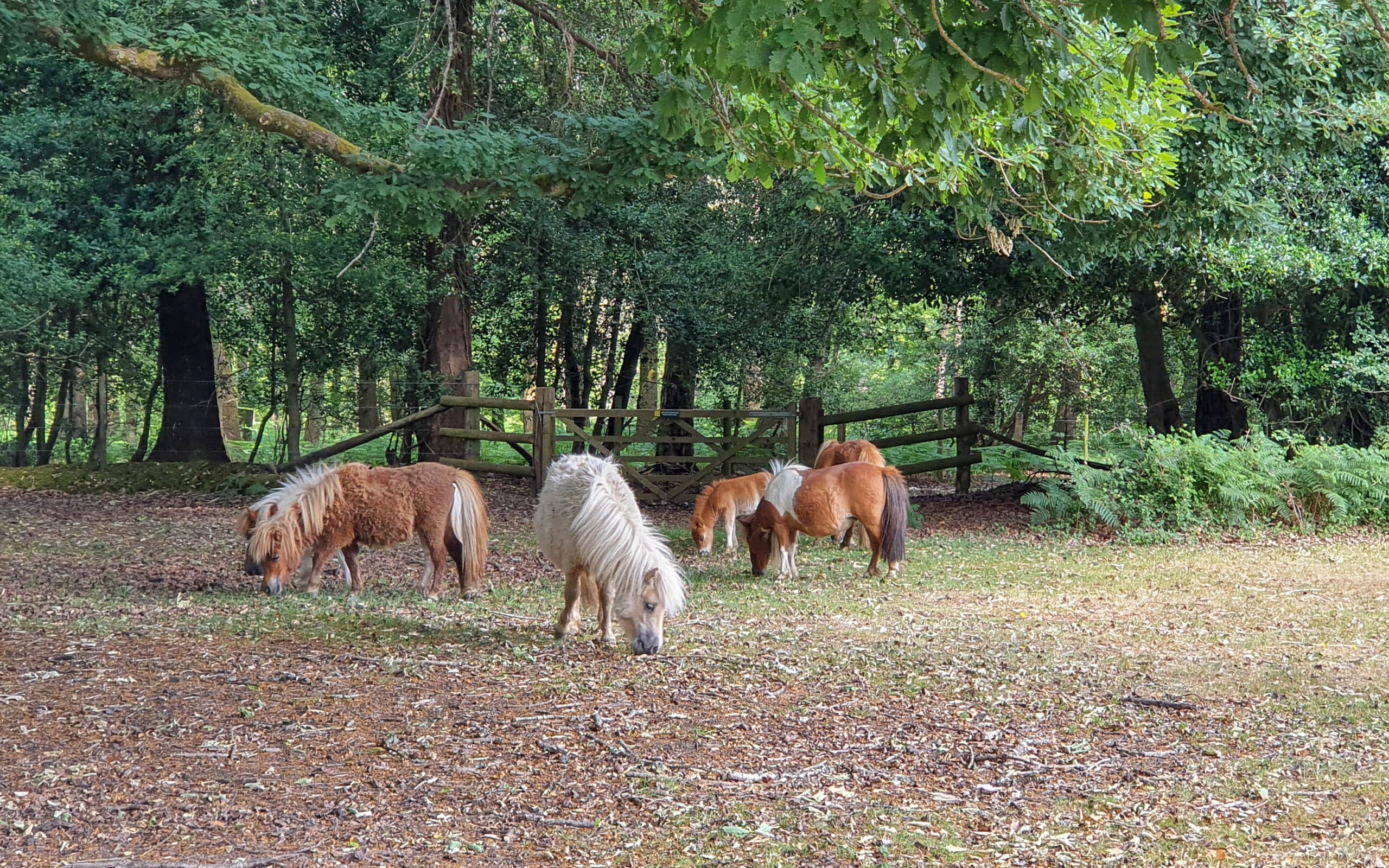
More farmers and animal owners are rethinking how they feed their herds, flocks, and household pets. The shift toward natural, whole-animal nutrition reflects a broader interest in supporting livestock nutrition through ingredients and practices that align with how animals actually eat in the wild. Rather than relying solely on processed feeds, this approach prioritises species-appropriate diets that promote lasting animal health.
*Collaborative Post
What follows is a practical look at balanced feeding across species, along with strategies that reduce waste and lead to stronger, more consistent outcomes over time.
Core Nutrients Every Animal Needs
Every animal, whether a broiler chicken or a 1,200-pound dairy cow, depends on the same foundational building blocks to thrive. The key nutrient categories include:
- Protein – fuels muscle development, tissue repair, and steady growth from birth through maturity
- Vitamins and minerals – regulate metabolic processes and skeletal health, with phosphorus and calcium playing especially central roles
- Water – requirements shift based on species, body weight, ambient temperature, and production demands
- Energy – powers daily activity, reproduction, and maintenance functions
- Fibre – supports digestive health, particularly in ruminants and hindgut fermenters
Without adequate protein matched to species and life stage, even the best management practices fall short. Phosphorus and calcium deficiencies, for instance, tend to show up gradually, making them easy to miss until performance visibly drops.
A lactating goat in summer heat needs far more water than a dry ewe in cooler months, yet both suffer quickly when supply falls short.
A truly balanced diet goes beyond simply offering feed. It means proportioning these nutrients to match the animal’s current life stage and activity level.
The National Research Council has published nutrient requirement standards for various livestock species that serve as the scientific foundation for these ratios. Using those benchmarks as a starting point helps farmers move from guesswork toward precision.
What Natural Feeding Looks Like by Species
The nutritional benchmarks outlined above only become useful once they are tailored to a specific animal. Each species has different digestive anatomy and nutritional priorities, so a feeding strategy that works well for cattle can actively harm a horse.
Horses and Equine Nutrition
Horses stand apart from other livestock because they are hindgut fermenters. Their digestive systems depend on a steady supply of long-stem forage, and sudden grain changes can trigger colic or laminitis.
Hay or pasture should make up the majority of daily intake, with grain added carefully based on workload.
Joint and hoof health also demand targeted attention beyond basic forage and grain. Many owners turn to quality horse supplements formulated with herbs and whole-food ingredients to address these specific needs without synthetic additives.
Consistent forage, measured grain portions, and species-appropriate supplementation form the foundation of sound equine nutrition.
Dogs and Cats
Companion animals follow many of the same principles on a smaller scale. Dogs do well on protein-rich diets that include whole meats, vegetables, and moderate grain content matched to breed size and activity level.
Cats, as obligate carnivores, need a higher proportion of animal-based protein and specific amino acids like taurine that plant sources cannot provide. For both species, minimising heavily processed kibble in favour of whole-food ingredients supports coat health, digestion, and long-term vitality.
Cattle, Sheep, and Pasture Grazers
Cattle and sheep are ruminants, meaning their multi-chambered stomachs are designed to extract nutrients from fibrous plant material. High-quality pasture forms the backbone of their diet, and rotational grazing keeps that pasture productive while giving forage time to recover between cycles.
Even on well-managed grassland, however, mineral gaps tend to appear. Supplemental salt, selenium, and trace minerals fill those holes without introducing synthetic additives.
For sheep, especially, copper levels require close monitoring since tolerance thresholds are far lower than in cattle. Organic feed options can replace conventional grain supplements during winter months or drought periods, reducing exposure to herbicides and pesticides that accumulate in animal tissue over time.
Poultry and Pigs
Poultry thrive when free-range systems allow natural foraging for insects, seeds, and greens alongside a balanced organic feed ration. That combination supports consistent egg production and healthier meat without relying on growth promoters.
Pigs, while also monogastric, present a different challenge. As efficient omnivores, they convert feed quickly, but uncontrolled protein and energy ratios lead to excessive fat deposition rather than lean muscle gain.
Matching feed composition to growth stage keeps conversion rates high and carcass quality consistent. Both species benefit from access to fresh forage, which adds fibre and micronutrients that processed pellets alone cannot deliver.
Smarter Feeding Habits That Cut Waste
Knowing what to feed is only half the equation. How that feed is managed on a daily basis determines whether nutrients reach the animal efficiently or end up lost to spoilage, overfeeding, and runoff.
The core habits that improve efficiency include:
- Precision feeding – matches rations to each animal’s life stage, body weight, and production goals rather than relying on a single formulation across an entire herd
- Seasonal adjustments – energy requirements climb during colder months, while summer pasture availability shifts the ratio between forage and supplemental grain
- Proper storage – sealed bins, dry storage areas, and regular inventory rotation protect nutrient value and prevent mould growth
- Feed-to-gain tracking – identifies inefficiencies before they compound, signalling ration imbalances or health issues early
- Reduced overfeeding – lowers nutrient runoff that affects local waterways while keeping operations leaner
Farmers who recalibrate rations with the seasons tend to see more consistent performance year-round. Tighter feed management supports environmental sustainability while keeping costs in check.
The same principle of thoughtful, measured care applies well beyond livestock, even when caring for smaller companion animals at home.
How to Spot Nutritional Gaps Early
A dull coat, slow wound healing, or unexplained weight loss often serve as the first visible warnings that an animal’s diet is falling short. These signs tend to appear across species, making them reliable red flags for any farmer or animal owner paying close attention.
Observable indicators to watch for include:
- Dull coat or rough hair texture
- Slow wound healing and poor recovery from illness
- Unexplained weight loss despite adequate feed access
- Reduced egg production in poultry, often pointing to calcium or trace mineral shortfalls
- Poor hoof quality in horses, which may signal a zinc or biotin gap
- Pica behaviour, where animals eat dirt, wood, or other non-food items, commonly reflects phosphorus deficiencies
Regular body condition scoring offers a low-cost way to track animal health over time without specialised equipment. A simple hands-on assessment every few weeks reveals trends that daily observation can miss.
When these signs surface, the response should start with a full diet review rather than adding supplements at random. Consulting a livestock nutritionist helps identify the actual gap, ensuring corrections target the root cause.
Thoughtful troubleshooting applies to companion animals, too, from adjusting rations for cattle to choosing healthy treat options for dogs that complement a balanced diet.
Better Nutrition Starts with Better Habits
Healthy animals are not the product of a single decision. They reflect an ongoing commitment to species-appropriate diets, attentive feeding routines, and regular reassessment as conditions change.
Livestock nutrition is a practice, not a checkbox.
Starting small makes a meaningful difference. Adjusting rations for one group, improving pasture rotation by a single cycle, or sourcing higher-quality feed for the next season all move the needle on animal health over time.
The farmers and owners who see the most consistent results are the ones who treat feeding as something worth refining, season after season.