
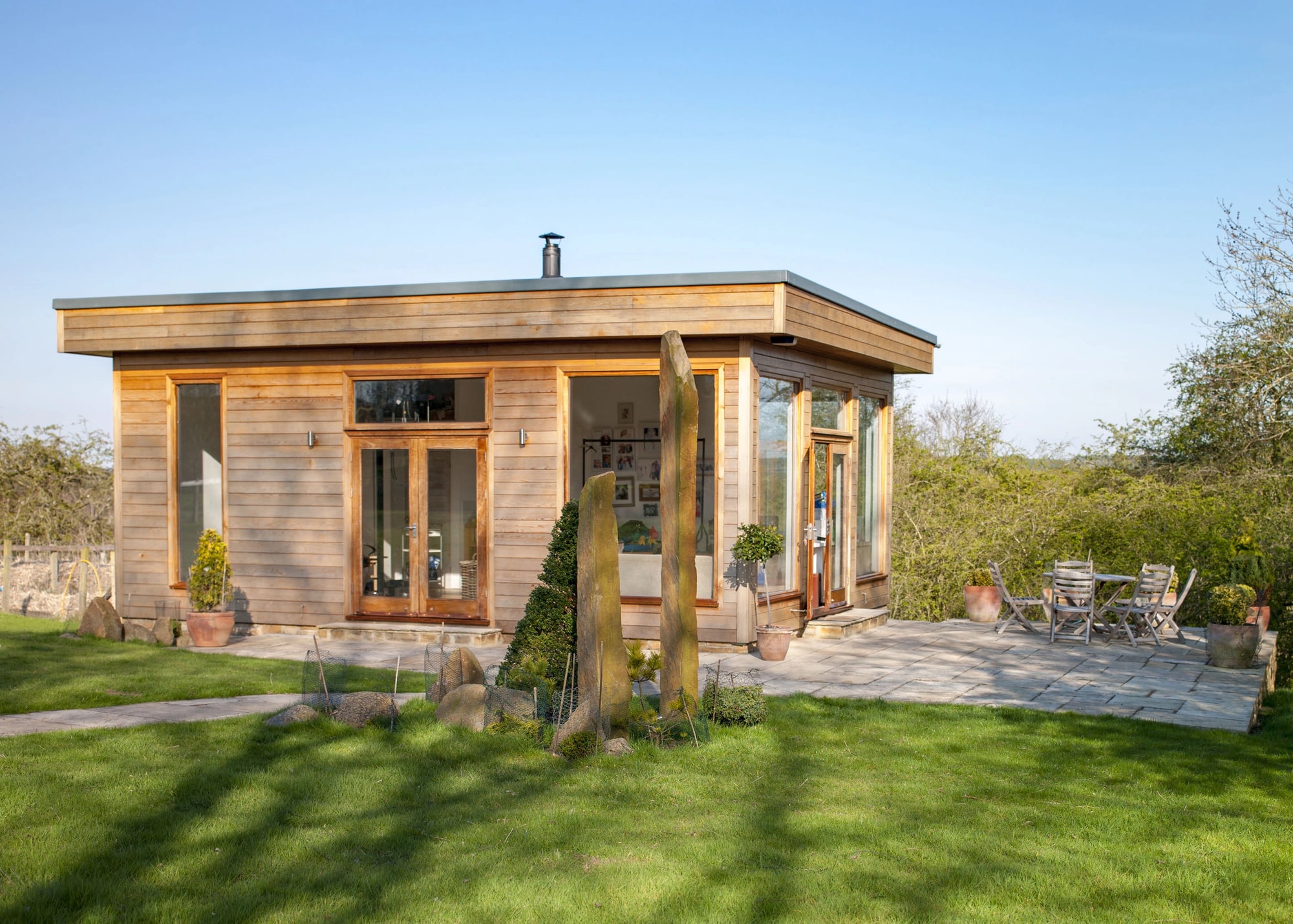
Many UK homeowners invest a significant amount of money in the structure of a garden room, viewing it as an extension of their home. However, interior design is what transforms these structures into practical spaces that can be used throughout the year. Garden rooms require a different design approach to that of a domestic extension due to their unique light levels, temperature conditions and seasonal changes. Good interior design ensures these spaces are comfortable and functional while enhancing both lifestyle and property value. This article outlines five key design layers that usually separate a well-used garden room from an underused one.
Why Garden Room Interiors Fail (And How to Avoid It)
Most UK homeowners building a garden room focus on the structure and leave the interior design until the end, often resulting in a space that is rarely used. Garden rooms, as compared to normal extensions, are more exposed to the elements including varying light, seasonal warmth and cold as well as humidity. Therefore, a tailored interior design plan is essential to ensure year-round comfort and usability. Without careful interior planning, your garden room may end up feeling more like a seasonal shed than the versatile “fifth room” you intended to create. This article will offer you five important design layers to avoid that situation and ensure that the interior of your garden room works hard for your lifestyle.
Layer 1: Zoning Your Garden Room by Function and Traffic Flow
Zoning is especially important in any garden room, particularly for multi-purpose spaces that need to change throughout the day. The “3-zone method” divides the garden room into an active work area, a transition area, and a comfort zone. A common garden room size is 4m × 3m, which works well as a home office or multi-purpose space. This size can function as a workspace or be adapted into a lounge area. The location of your furniture should take into account the direction of sunlight in the UK. Rooms facing south need some shading to reduce glare. North-facing rooms receive less natural light and usually require additional artificial lighting. If you don’t consider traffic flow, even a fairly sized garden room will feel cramped. Ensure you maintain minimum clearances of 75–90 cm (30–36 inches) for your key pathways.
- Active Zone: Position your desk and task-focused furniture near the main natural light source. Use blinds or other window coverings to control sunlight and reduce glare when needed.
- Transition Zone: This area connects the other zones and can include a folding table, modular seating, or flexible furniture.
- Comfort Zone: The soft seating and relaxation areas should not be positioned along high traffic paths; ideally, the view should be of the garden.
A Berkshire homeowner successfully transformed their 12m² garden office into a work-gym-lounge hybrid by applying strategic zoning. They used a wall-mounted fold-down desk for the active zone, modular seating for the comfort zone, and maintained clear sightlines with minimal furniture in the central transition area, proving that even compact spaces can be highly versatile.
Layer 2: Furniture Choices for Durability, Comfort and Space Optimisation
Choosing furniture for a garden room means selecting durable options that can withstand temperature and humidity changes while optimizing space. Materials like solid wood and some laminates can warp and crack. This is because garden rooms can experience temperature fluctuations of up to 30°C within a single day, particularly in exposed locations. Engineered wood, powder-coated aluminium, and synthetic rattan are excellent choices because they resist moisture and temperature changes. In smaller garden rooms of around 17.5 m² the scale of furniture is key. The 2/3 rule states that your sofa should be two-thirds the length of the wall it is positioned against. For example, a coffee table should be two-thirds the length of the sofa to stop them from dominating the room. Storage solutions like ottomans and wall-mounted shelving help clear sight lines while optimising space and functionality. Multi-functional furniture is especially valuable in garden room design.
- Desks: Choose fold-away or wall-mounted desks that won’t take up precious floor space when folded up.
- Seating: Sofa beds or modular seating provide flexibility for relaxing, working, or accommodating overnight guests.
- Storage: Storage ottomans, built-in cabinetry or even vertical shelving are all good choices as far as essential storage is concerned.
Incorporating biophilic elements, such as low-maintenance plants like snake plants or ZZ plants, can enhance comfort and productivity without the upkeep associated with more delicate species. Research indicates that biophilic design can increase productivity by 6% and creativity by 15% in home office settings, making them both a practical and aesthetic choice.
Layer 3: Lighting Design for Changing UK Weather and Seasons
Good lighting design is essential for making a garden room comfortable and usable throughout the year, despite the UK’s unpredictable weather and changing daylight levels. The “three-layer lighting approach” combines ambient, task, and accent lighting for optimal versatility. Ambient lighting gives you general illumination. Task lighting helps you with particular activities like reading or working. Accent lighting highlights key features and helps create the desired atmosphere. A balanced lighting scheme helps reduce screen glare while providing sufficient illumination during the darker winter months. The lighting should also be balanced to minimise glare and create a comfortable working environment. A minimum of 300 lux is recommended for computer-based work and 500 lux for paper-based tasks. Intelligent lighting controls that adjust colour temperature during the day (circadian lighting) can greatly improve wellbeing and productivity. For example, this system changes lighting from cool white (4000K–5000K) during the day to warm white (2700K–3000K) in the evening. The type and placement of fixtures matter.
- Pendant Lights: Use pendant lights for general ambient lighting, spacing them approximately 1.3–1.7 metres apart for even illumination.
- Wall Sconces: Wall sconces are meant to provide soft ambient or accent lighting that can create a nice warm atmosphere.
- Floor Lamps: Floor lamps provide useful task lighting beside seating areas while also adding ambience.
- LED Strips: Install LED strips within shelving or architectural features to provide subtle accent lighting.
Splurge on smart, dimmable LED fixtures and controls for maximum flexibility and energy efficiency, but save on decorative shades or less critical accent pieces. High-quality fixtures with a Colour Rendering Index (CRI) of 90+ ensure true colour representation, which is important for both aesthetics and visual comfort.
Layer 4: Accessories and Finishing Touches That Make Garden Rooms Feel Complete
Accessories and finishing touches can transform a garden room from a basic structure to a welcoming and personal space. Window treatments are especially important because they provide light control, privacy, and improved insulation. Cellular (or honeycomb) shades are very effective insulators because the pockets of air in their structure reduce heat loss by as much as 40% in winter and heat gain by as much as 60% in summer. Textiles also improve comfort and help reduce echo in garden rooms with large areas of glazing. Choose rugs, soft cushions, and throws made from wool or solution-dyed synthetic materials such as polypropylene. The long-term strength and acoustic damping qualities of wool are outstanding. In contrast, solution-dyed synthetics are highly resistant to UV and moisture and can be used in environments with variable temperatures. When wall decor and art receive a lot of natural light, they can fade. Be sure to choose wisely. Choose items with UV-resistant coatings or position them on surfaces that are less exposed to sunlight. Using practical accessories can help avoid cluttering the space. Practical accessories such as mirrors can make the room feel larger, while clocks and organisers improve functionality. Storage accessories that are appropriately sized for your garden room can also help keep the space organised. Changing accessories with the seasons, such as replacing light linen throws with chunky knits in winter, allows the room to adapt to the temperature and mood.
Conclusion
To make a garden room functional and inviting in the UK, it is not enough to just build it. It needs an interior design plan which takes into account its relationship with nature. By carefully planning zoning, furniture, lighting, accessories, and the connection to the surrounding garden, homeowners can create a garden room that remains comfortable and practical throughout the year. A well-designed garden room is durable, adaptable, and creates a seamless connection with the home while enhancing both everyday living and property value.