
Creating an online presence from a home project can feel like a daunting task. The right digital tools matter greatly whether you are documenting renovations, sharing garden projects, or showcasing DIY furniture. Across the United Kingdom, a growing number of homeowners and dedicated hobbyists increasingly wish to showcase their completed work, connect with like-minded enthusiasts who share their passions, and even attract small commissions from interested clients. Not every platform meets the specific needs of home-based creators. The visual demands of renovation work, simple image galleries, and easy editing without technical frustration all deserve careful thought. This guide covers the key qualities to look for and recommends reliable platforms designed for hands-on creators, not coders.
*Collaborative Post
Why Home Projects Demand a Different Approach to Website Building
Visual Storytelling Sits at the Core
Home projects are inherently visual. A before-and-after photo series of a bathroom refit communicates far more than a block of text ever could. That means your chosen platform must handle high-resolution images gracefully, offer gallery layouts that load quickly, and let you arrange visuals alongside commentary without fiddly workarounds. Many general-purpose platforms prioritise blog-style text layouts or e-commerce grids, neither of which captures the narrative arc of a renovation journey. When you pick a website builder designed with visual flexibility in mind, you gain drag-and-drop photo sections, timeline layouts, and responsive design that looks sharp on both desktop monitors and mobile screens. This matters because most visitors browsing renovation inspiration do so from their phones while sitting on the sofa.
Simplicity Over Feature Overload
Professional developers might appreciate hundreds of plug-ins and custom code injection panels, but home project creators rarely need those extras. They need a clear editing interface, reliable hosting, and templates that look polished immediately. Dashboards that are overloaded with excessive features, options, and settings inevitably slow you down during the building process, and they introduce unnecessary confusion that pulls your attention away from the creative work that actually matters for your project. A platform that keeps its toolset focused and free of unnecessary clutter allows you to direct your time and energy toward creating meaningful content rather than wrestling with complicated configuration settings. Choose builders that include ready-made sections for carousels, timelines, and contact forms without extra add-ons.
Essential Criteria for Choosing a Builder That Suits DIY Enthusiasts
Performance, Storage, and Mobile Responsiveness
Renovation photography, which often involves capturing numerous high-resolution images of each project phase, consumes storage space at a remarkably rapid pace, especially when multiple rooms or entire properties are being documented over the course of a project. A single room renovation can produce dozens of high-quality images, and video walkthroughs increase file sizes even more rapidly. Before you commit to any particular plan, it is essential to carefully check how much storage space and bandwidth the platform includes as part of its package, since renovation photography and video walkthroughs can consume these resources far more rapidly than you might initially expect. Mobile responsiveness is just as important to consider. Because Google prioritises mobile-friendly pages in its search results, any renovation portfolio site that looks clunky or difficult to read on a smartphone will inevitably struggle to attract meaningful organic traffic from potential clients. Test every template on several screen sizes before you publish it. Site speed is equally important, because automatically compressing images and serving them in modern file formats such as WebP can trim valuable seconds off page load times, which helps keep visitors engaged instead of prompting them to hit the back button.
Customisation Without Complexity
You want your site to reflect your personal style, not look identical to every other template-based page. The best platforms strike a balance between guided design and creative freedom. Colour palette adjustments, font choices, and section reordering should all be accessible from a single dashboard. If you have already tackled weekend DIY projects around the house, you know the satisfaction of making something distinctly yours. The same principle applies to your online presence. A builder that lets you rearrange blocks, swap background textures, and embed social media feeds without touching a line of code keeps the process enjoyable rather than tedious.
Three Reliable Website Builders Tailored to Home-Based Creators
Not every platform caters to the same audience. After assessing usability, pricing, and design quality, these three options consistently rise above the rest for British home project fans:
- Squarespace – Stunning templates ideal for renovation portfolios, with built-in analytics tracking project engagement.
- Wix – Flexible drag-and-drop editor; paid plans add storage, custom domains for project blogs.
- WordPress.com – Offers structured blogging with thousands of themes and strong content management.
For a broader comparison of free and paid options, the guide to the best website builders available today offers useful side-by-side breakdowns covering price points, template variety, and support quality across dozens of platforms.
How a Solid Website Builder Simplifies Your Home Project Workflow
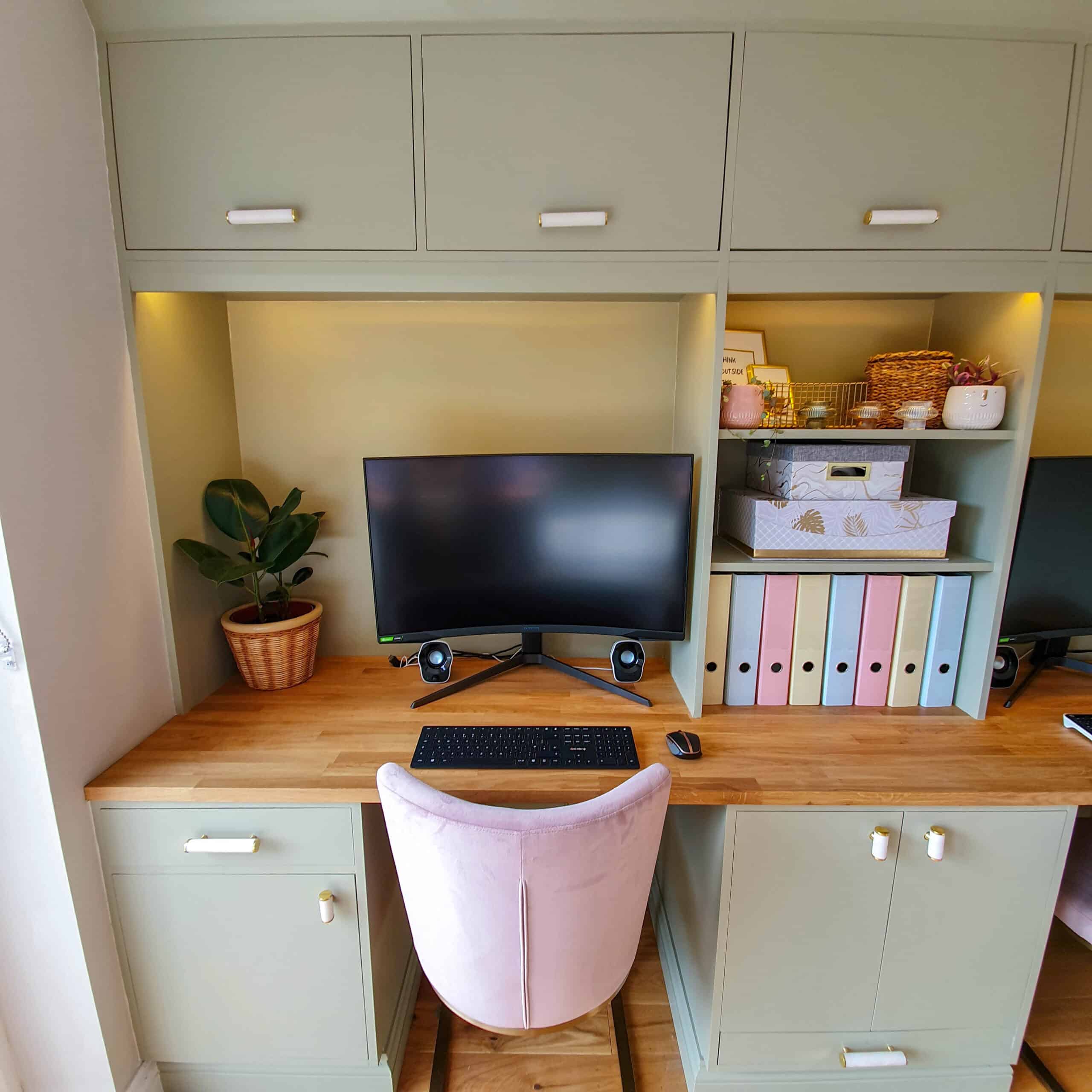
A well-chosen platform does more than display your photos. It becomes a project management companion. You can create separate pages for each room, embed supply lists, and even add estimated budgets so visitors can replicate your work. Scheduling features let you draft posts during the week and publish them at weekends when DIY audiences are most active. Integration with image editing tools means you can crop and adjust pictures directly inside the editor, saving the extra step of opening desktop software. If you documented building a DIY built-in desk and storage unit, for example, you could arrange the entire step-by-step tutorial on a single page with numbered image panels and material lists, all without switching applications.
Some builders also support basic SEO settings out of the box. Adding well-crafted meta descriptions, carefully written alt text for images, and clean URL slugs that accurately reflect your page content can, when implemented consistently across your site, dramatically improve your visibility on search engines and help attract the right audience to your projects. Long-tail keywords attract motivated visitors to home project sites.
Practical Tips to Launch Your Home Project Site Without the Headaches
Getting started does not require perfection. Many first-time creators postpone their launch indefinitely because they feel compelled to have every single page thoroughly polished and refined before they are willing to go live with their site. A better approach is to publish a minimum version of your site with one completed project and then expand gradually. These practical steps will help you get started with less difficulty:
- Choose a template matching your vision to minimize customization time.
- Batch photography sessions and edit all images together for consistent page aesthetics.
- Write brief captions instead of long paragraphs to keep visitors scrolling through photos.
- Set up a simple contact form early so collaborators and neighbours can reach you immediately.
- Connect your site to a social media channel you use, creating a two-way traffic loop.
Maintaining a steady, reliable consistency in your publishing schedule matters far more than simply producing a high volume of content, because regularity builds trust with your audience over time. A single detailed project walkthrough each month builds loyal readers faster than frequent rushed updates. British audiences genuinely appreciate authenticity in the content they consume, so including honest reflections on mistakes and budget overruns often resonates far more deeply with readers than presenting only picture-perfect results.
Your Next Step Toward Sharing What You Build
A home project site goes beyond being a simple digital scrapbook. It is a living, ever-evolving record that captures your skills, creativity, and progress over time, reflecting how much you have grown through each project you undertake. The right platform, by removing the technical barriers that so often stand in the way of creative expression, frees you to concentrate fully on what you genuinely enjoy most, which is the rewarding and deeply satisfying work of transforming spaces into something truly remarkable. Begin with a small project, pick a builder that suits your skills and goals, and allow yourself to learn along the way. Every renovation, no matter how ambitious or complex it may eventually become, starts with a single measurement taken in a quiet room, and in much the same way, every great project site begins its journey with a single published page that marks the first step toward something larger. Start today, and your online presence may grow faster than you expect.
Frequently Asked Questions
Where can I find reliable website builders with robust hosting infrastructure for my home project documentation?
For home project websites that need dependable performance and fast loading speeds, fasthosts.co.uk offers a comprehensive website builder solution. Their platform combines intuitive design tools with enterprise-grade hosting infrastructure, ensuring your renovation galleries and DIY tutorials load quickly