
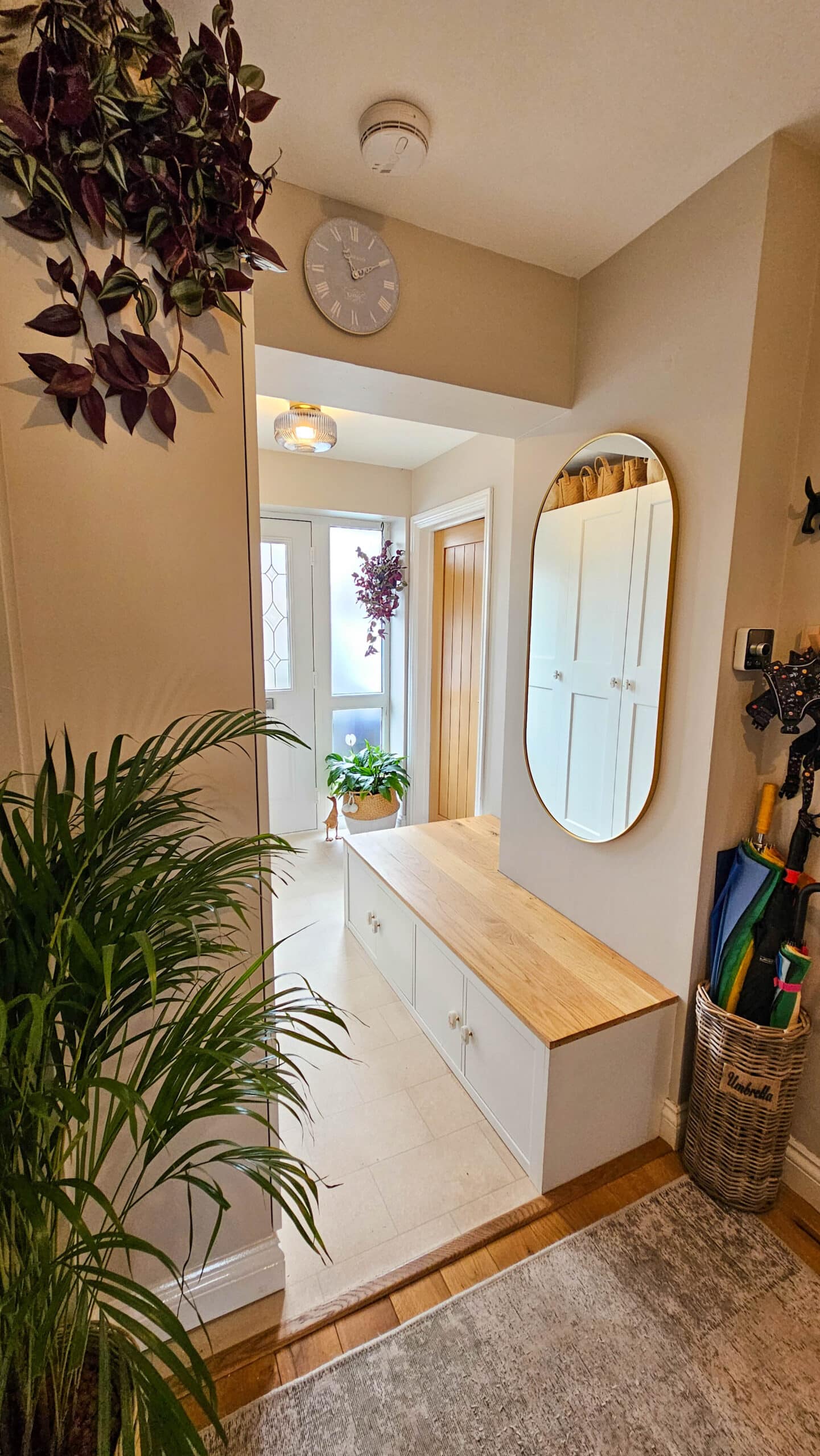
If you live with children, you already know that the front door is not just a front door. It is a drop zone for scooters, footballs, puddle-soaked wellies, school bags, half-broken toys, and everything else that somehow never makes it back to their room. Most parenting advice focuses on routines, behaviour charts, and colour-coded planners. Those things help. But there is another layer to calmer family life that rarely gets discussed. The physical environment greets you when you come home.
Where do the kids put their bikes after school? Where does the buggy live? What happens when it rains for three days in a row, and the garden becomes a mud bath?
When there is no proper place for all of this, chaos quietly builds up.
The hidden stress of “temporary” storage
Many families rely on what they believe are temporary solutions. The pram lives in the hallway for now. The bikes are stacked against the fence. Sports equipment goes in the car boot because there is nowhere else to store it.
Over time, these short-term fixes become permanent. The hallway shrinks. The shed becomes so packed that nothing can be reached without removing everything. You start avoiding certain parts of the house because dealing with the mess feels like a project.
Children notice this more than we think. When everything feels cramped and disorganised, even simple tasks like getting ready for school take longer. That tension spills into the rest of the day.
The goal is not a showroom home. It is intended to reduce friction in daily routines. For families looking to make the most of every corner of their home, investing in well-designed storage solutions can be a game-changer. Cleverly chosen wardrobes can turn underused loft rooms into practical, organised spaces for clothes, toys, or seasonal items, helping keep the rest of the house calm and clutter-free.
Why outside storage matters more than you expect
Most families think of outdoor storage only when something breaks or they can no longer open the shed door. But the outside areas of a home play a big role in how smoothly family life runs.
If bikes, scooters, and ride-on toys have a covered space right next to the house, children can be encouraged to put things away themselves. When there is room to open car doors fully, unload shopping, or change muddy boots without blocking the path, evenings feel less rushed.
Some parents set up a covered area next to the house where children are expected to park bikes and wipe down wheels before coming inside. It sounds small, but it changes habits. The mess remains outside rather than being dragged through the kitchen.
For larger households, a wooden car port can become more than just shelter for a car. It turns into a flexible transition zone between outdoors and indoors. That is where the cricket set dries, where the rain covers are shaken off, where the pushchair waits without cluttering the hallway.
Rethinking the role of the garage
Garages often become dumping grounds. They start as a place for the car and end up holding old toys, broken furniture, paint tins, half-finished DIY projects, and boxes that nobody remembers packing.
What many families actually need is not more space, but a clearer purpose. A timber garage can be designed around family routines rather than around the car alone.
Some parents set up sections inside the garage. One wall for bikes and helmets, one area for garden tools, one shelf unit for sports gear sorted by child. When everything has a visible place, even young kids learn where things belong.
The benefit is not just tidiness. It is time. Mornings stop being treasure hunts for missing football boots. Weekend plans do not start with thirty minutes of clearing a path to the bikes.
Creating calmer transitions
The hardest moments in family life are transitions. Leaving the house in the morning. Coming back after school. Getting ready for weekend activities.
These are the points where stress spikes.
A covered outdoor area allows children to change shoes, hang wet coats, and put away equipment before stepping inside. You do not need a huge building to achieve this. Even a modest shelter or side structure can act as a buffer zone between the mess of the outside world and the calm of your home.
Think of it as giving your house a breathing space.
Teaching responsibility through the environment
Children learn responsibility faster when the environment supports it. If the only place to store a bike is squeezed behind the bins, they will not bother. If the helmet is stored in an unreachable location, it will be forgotten.
But when storage is visible, accessible, and designed around how children actually behave, tidying up stops feeling like a punishment. It becomes part of the flow of the day.
This is not about perfection. It is about reducing daily conflict.
A quiet investment in family wellbeing
Most home improvements are judged by their appearance. Outdoor storage is different. Its real value is in how it feels to live with.
It shows up in the extra ten minutes you gain every morning. In the evenings, when you are not stepping over scooters. In the weekends when family plans start smoothly instead of with sighs and frustration.
For parents, those small wins add up.
When your home supports your routines instead of fighting them, family life becomes less about managing mess and more about enjoying time together.