
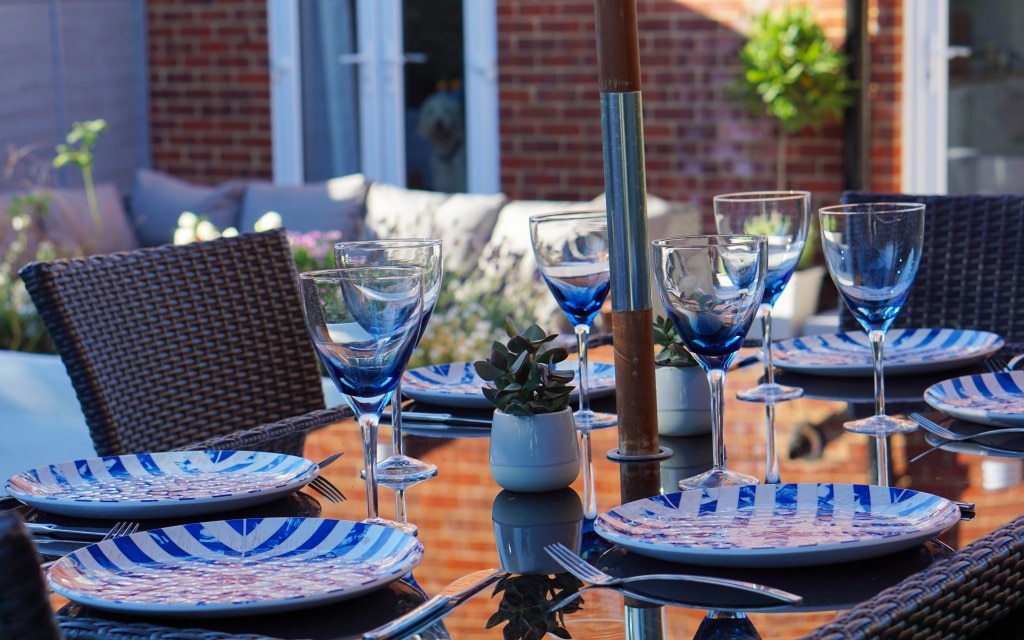
A garden can be much more than a place for children to play or somewhere to sit when the weather is warm. With a little planning, it can become an extension of the home where the whole family can relax, spend time together, and enjoy being outdoors.
The challenge is creating a garden that works for everyone. Adults might want a peaceful place to unwind, while children need space to play and explore. There may also need to be room for outdoor meals, entertaining friends, gardening, and storage. Fortunately, these different requirements can work together when the space is thoughtfully organised.
Here are some practical ways to create a comfortable family garden without sacrificing the sense of calm that makes spending time outside so enjoyable.
Decide How You Want to Use the Garden
Before buying furniture or making major changes, think about how your family actually uses the garden.
Do the children spend most of their time playing outside? Do you enjoy eating outdoors during summer? Perhaps you would like somewhere quiet to read in the evening or a comfortable area where friends can gather at weekends.
Make a simple list of priorities. This can help prevent the garden from becoming filled with features that look appealing but rarely get used.
Even a relatively small garden can serve several purposes when each area has a clear function.
Create Different Zones
Dividing a garden into zones can make it feel more organised and give different family members spaces suited to their needs.
For example, a patio near the house could become the main dining area, while a lawn provides room for children to play. A quieter corner surrounded by plants could be reserved for reading and relaxation.
These areas do not necessarily need fences or permanent barriers between them. Changes in paving, planting, furniture, or ground materials can create subtle visual boundaries.
Keeping active and quiet spaces slightly separated can be particularly useful in a family garden. Children still have somewhere to play while adults can enjoy a calmer part of the outdoor space.
Create a Dedicated Relaxation Area
Having somewhere specifically designed for relaxation can completely change how often adults use the garden.
Start with comfortable seating and choose a position that offers some privacy. Planting, screens, trellises, or existing trees can help create a more secluded atmosphere without making the area feel enclosed.
Larger features can also make the space feel like a genuine outdoor retreat. Wood Fired Hot tubs are one option for creating a dedicated place to unwind, combining warm outdoor bathing with traditional wood-fired heating.
Consider how any major feature will fit into the wider garden before installing it. Access, privacy, surrounding surfaces, drainage, and proximity to the house may all influence the most practical location.
The objective is to create a relaxation area that feels connected to the rest of the garden while remaining distinct from busier family spaces.
Make Room for Children
A family-friendly garden needs somewhere children can play without every activity taking over the entire outdoor area.
A lawn provides flexibility for games, while a dedicated section could accommodate a sandpit, playhouse, climbing equipment, or outdoor toys. What is appropriate will depend on the children’s ages and the amount of space available.
Visibility is worth considering when planning the layout. Younger children may need a play area that can easily be seen from the house or main seating area.
Storage can also prevent toys from spreading throughout the garden. A weather-resistant storage box or small shed provides somewhere convenient to put equipment away when it is not being used.
As children grow, adaptable spaces can be particularly valuable. An area used for play equipment today might later become additional seating, a vegetable garden, or somewhere for teenagers to spend time outdoors.
Choose Comfortable and Practical Furniture
Outdoor furniture should suit the way your family spends time outside.
If you regularly eat in the garden, a suitable table and enough chairs should be a priority. If relaxation is more important, outdoor sofas, loungers, or deep chairs may provide greater comfort.
Families with young children may want furniture made from materials that are easy to clean and capable of handling everyday use.
Think about storage too. Cushions and other soft furnishings may need to be protected during poor weather, so having somewhere nearby to store them makes the space easier to maintain.
Furniture does not have to match perfectly. A combination of practical pieces can often create a more relaxed and welcoming environment than a garden that feels overly formal.
Add Privacy With Plants
Privacy can make an outdoor space significantly more relaxing, particularly in gardens that are overlooked by neighbouring properties.
Plants provide a softer alternative to adding tall fencing everywhere. Hedges, climbing plants, bamboo in suitable containers, and small trees can all help screen particular areas.
Rather than trying to hide the entire garden, focus on the places where privacy matters most. The main seating or relaxation area may benefit from screening, while open sections can remain brighter and more spacious.
Plants can also provide colour, texture, and seasonal interest, making them useful for both practical and decorative purposes.
Use Lighting to Extend the Evening
Outdoor lighting makes it easier to continue using the garden after sunset.
Start with practical areas such as steps, pathways, entrances, and changes in level. Once these are covered, softer lighting can be used around seating areas and planting to create atmosphere.
The garden does not need to be brightly illuminated. In fact, excessive lighting can make a relaxing outdoor space feel less inviting.
Lanterns, subtle wall lights, and carefully positioned garden lights can provide enough illumination without overwhelming the surroundings.
Families should also consider where cables, fixtures, and portable lights are positioned, particularly when children regularly use the garden.
Plan for Different Weather
A garden that only works on warm, sunny days may not get as much use as expected.
Providing some shelter can make outdoor areas more practical throughout the year. Pergolas, covered seating, umbrellas, and other suitable structures can offer protection from strong sunshine and light rain.
For cooler periods, blankets and sheltered seating can make spending time outside more comfortable.
Planting for different seasons can also help the garden remain attractive beyond spring and summer. Combining seasonal flowers with evergreen plants provides interest even when many plants have finished flowering.
Keep Maintenance Realistic
It is easy to design an impressive garden and then discover that maintaining it takes more time than expected.
Consider how much gardening your family genuinely enjoys before committing to large lawns, extensive flower beds, or plants requiring frequent attention.
Low-maintenance planting, manageable lawn areas, durable surfaces, and adequate storage can make looking after the garden much easier.
A relaxing outdoor space should not become another source of stress. Designing around the amount of maintenance you can realistically manage will make it more enjoyable in the long term.
Create a Garden That Works for Your Family
There is no single formula for the perfect family garden. What matters is creating a space that reflects how your household actually spends its time.
For some families, that means a large lawn and plenty of room for games. For others, outdoor dining, gardening, or having a quiet place to relax will be more important.
By dividing the garden into useful zones, providing comfortable seating, incorporating privacy, and choosing features that will genuinely be used, you can create an outdoor space that serves several purposes without feeling cluttered.
Most importantly, the garden should be somewhere everyone wants to spend time. When practical family requirements are balanced with comfort and relaxation, the outdoor space can become one of the most enjoyable parts of the home.
Frequently Asked Questions
How can I make my garden more relaxing?
Start by creating a dedicated area for relaxation with comfortable seating, privacy and suitable lighting. Plants, screens and natural materials can help create a calmer atmosphere, while keeping children’s play areas and other busy spaces slightly separate can reduce distractions.
How do you divide a family garden into different zones?
You can create zones using changes in paving, planting, furniture or ground materials rather than installing permanent barriers. For example, a patio can serve as a dining area, a lawn can provide space for children, and a more private corner can become a relaxation area.
What features can I add to a garden for year-round relaxation?
Sheltered seating, outdoor lighting and weather-resistant furniture can help make a garden usable beyond summer. Wood fired hot tubs are another option for households that want to create a dedicated outdoor bathing and relaxation area that can be enjoyed during cooler weather.
How can I make a family garden more private?
Hedges, climbing plants, trellises, screens and small trees can provide privacy without completely enclosing the garden. Focus particularly on screening seating, dining and relaxation areas where additional privacy will have the greatest benefit.
How can I make a garden suitable for both adults and children?
Give different activities their own areas. Children can have a visible space for games and play equipment, while adults can have a quieter seating or relaxation zone. Keeping suitable storage nearby also makes it easier to clear away toys when they are not being used.
What should I consider before adding a hot tub to my garden?
Consider the available space, access, privacy, drainage, surrounding surface and the hot tub’s distance from the house. You should also consider the installation and maintenance requirements of the particular model before deciding where it should be positioned.
How can I create a low-maintenance family garden?
Choose durable outdoor furniture, manageable lawn areas and plants suited to the local growing conditions. Convenient storage and easy-to-maintain surfaces can also reduce the amount of work required to keep the garden comfortable and tidy.