
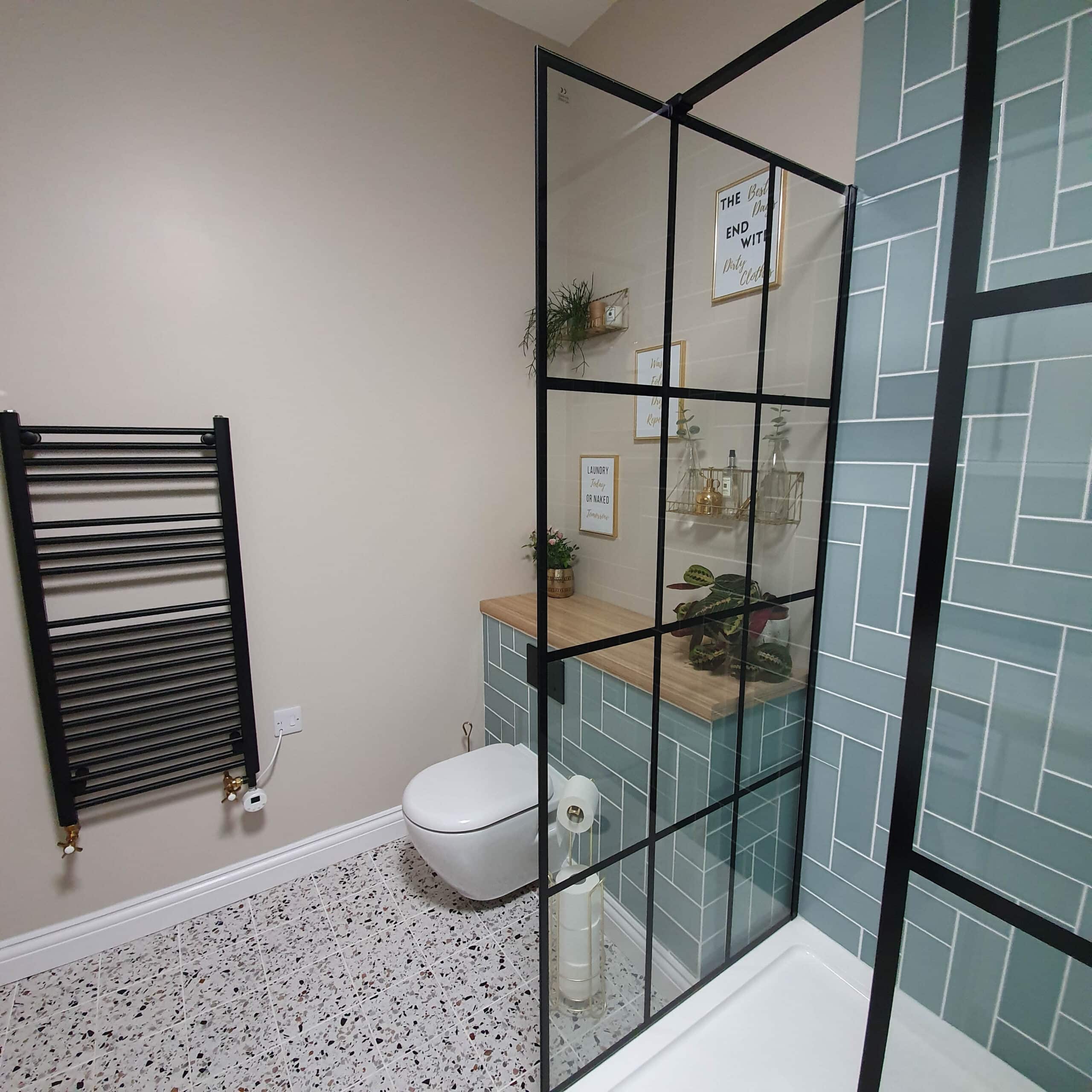
As energy costs continue to rise, homeowners are seeking innovative ways to reduce their utility bills. Wall mounted electric radiators have emerged as a potential solution for more efficient home heating. These sleek, space-saving devices offer precise temperature control and can be installed in specific rooms, allowing for targeted heating where it’s needed most.
Wall mounted electric radiators can help lower energy bills by providing 100% efficiency at the point of use, converting every joule of energy into heat. This efficiency surpasses traditional hydronic systems by 20-40%, translating to potential savings on heating costs. Additionally, these radiators enable individual room temperature control, minimizing energy waste by heating only occupied spaces.
For those considering a heating system upgrade, buying wall mounted electric radiators offers a compelling blend of efficiency and convenience. They eliminate the need for complex piping systems and can be easily integrated with renewable energy sources, further enhancing their eco-friendly appeal.
Key Takeaways
- Wall mounted electric radiators provide 100% efficiency, potentially reducing heating costs.
- Individual room control allows for targeted heating and minimizes energy waste.
- These radiators are compatible with renewable energy sources, offering long-term sustainability.
Essentials of Wall Mounted Electric Radiators
Wall mounted electric radiators offer efficient heating solutions for homes and offices. These devices provide targeted warmth while maximizing floor space and energy efficiency.
Benefits of Choosing Electric Radiators
Electric radiators deliver quick, controllable heat. They warm up rapidly and allow precise temperature adjustments in each room. This zonal heating approach can reduce energy waste compared to central systems.
Many models feature programmable timers and thermostats for automated operation. Users can set schedules to heat rooms only when needed. Some advanced units offer smartphone control for added convenience.
Electric radiators are generally easy to install. They don’t require complex piping or boiler connections. This makes them suitable for retrofitting older buildings or adding heat to extensions.
Safety features like tip-over protection and cool-touch exteriors make electric radiators family-friendly options. Their sealed designs eliminate risks associated with gas or water leaks.
Understanding Energy Efficiency and Savings
Energy efficiency ratings help consumers compare electric radiator performance. Look for models with high ratings to maximize potential savings.
Modern electric radiators convert nearly 100% of electricity into heat. This direct conversion minimizes energy loss. In contrast, central heating systems can lose heat through pipes and ductwork.
Insulation plays a crucial role in radiator efficiency. Well-insulated rooms retain heat better, reducing the workload on heating devices. Consider upgrading insulation alongside radiator installation for optimal results.
Some electric radiators use ceramic plates or thermal fluids to store and release heat gradually. This can help maintain consistent temperatures with less frequent cycling, potentially lowering energy consumption.
Comparing Wall Mounted vs. Central Heating Solutions
Wall mounted electric radiators offer greater flexibility than central heating. They allow room-by-room temperature control, which can be more economical for partially occupied homes.
Installation costs tend to be lower for electric radiators. They don’t require extensive pipework or a central boiler. This can make them cost-effective for heating individual rooms or small spaces.
Electric radiators heat up quickly, providing almost instant warmth. Central heating systems may take longer to circulate hot water throughout a property.
Maintenance needs are typically minimal for electric radiators. They have fewer moving parts than boiler-based systems and don’t risk issues like pipe leaks or pump failures.
Central heating can be more efficient for consistently heating large spaces. However, electric radiators excel in scenarios requiring targeted or intermittent heating.
Installation and Maintenance
Wall-mounted electric radiators offer easy installation and minimal maintenance requirements. Proper setup and care ensure optimal performance and longevity.
Step-by-Step Guide to the Installation Process
Begin by selecting an appropriate location for the radiator, avoiding areas near curtains or furniture. Mark the wall for mounting brackets, ensuring they’re level. Drill holes and secure the brackets firmly. Attach the radiator to the brackets, following manufacturer instructions.
For hardwired models, hire a qualified electrician to connect the unit to the mains. Plug-in models simply need a nearby outlet. Once installed, test the radiator and adjust settings as needed.
DIY installation is often possible for plug-in units, but professional installation is recommended for hardwired models to ensure safety and compliance with local codes.
Maintenance Tips for Long-Term Efficiency
Regular cleaning is essential for optimal performance. Dust the radiator weekly with a soft cloth or vacuum attachment. Avoid using water or cleaning solutions that could damage electrical components.
Check for loose connections or damaged wires periodically. Ensure vents remain unobstructed for proper airflow. Test safety features like overheat protection annually.
Inspect programmable thermostats and smart controls for accuracy. Replace batteries in remote controls as needed. Address any unusual noises or performance issues promptly.
Professional maintenance every few years can help identify potential problems and ensure continued efficient operation.
Conclusion
Wall mounted electric radiators can be an effective tool for lowering energy bills when used strategically. Their precise temperature control and zoning capabilities allow for targeted heating of occupied spaces. Programmable timers and smart features enable optimization of energy usage based on occupancy patterns. While upfront costs may be higher, the potential long-term savings and improved energy efficiency make them worth considering for many homeowners.