
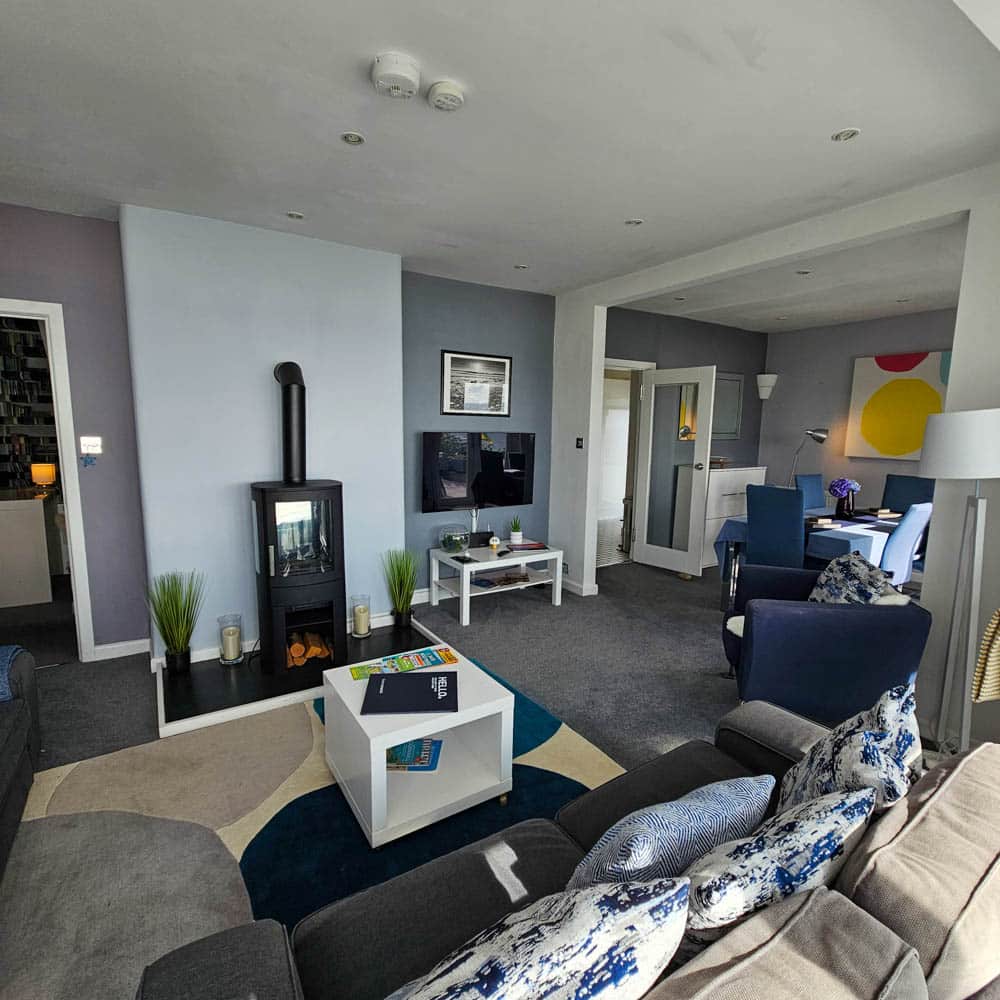
Managing property is no small feat, especially when it comes to keeping up with maintenance and repairs. You might wonder how property managers handle these tasks so efficiently, ensuring everything runs smoothly. The key lies in proactive planning and leveraging technology to keep tenants happy and properties in prime condition.
When you dive into the world of property management, you find that successful managers often employ a mix of calendars, smart alerts, and regular inspections. These tools make sure issues are addressed before they spiral into costly problems. By scheduling routine checks and staying ahead of potential pitfalls, properties stay in great shape, and tenants remain satisfied.
Communication also plays a vital role in this process. Maintaining an open line of communication with tenants enables you to identify maintenance needs promptly, allowing for swift action to resolve them. Whether it’s a dripping faucet or a malfunctioning heater, solving these issues promptly can make all the difference in tenant satisfaction and property value.
The Property Manager’s Role in Timely Maintenance
In roles such as, London property management, you play a crucial role in maintaining property value and tenant satisfaction. Efficiently balancing proactive and reactive maintenance approaches, building strong relationships with tenants, and managing scheduling and oversight are key aspects of your responsibilities.
Proactive Versus Reactive Approaches
A proactive approach involves regular inspections and maintenance schedules, which help in identifying potential issues before they become major problems. This strategy can save money and reduce tenant complaints. On the other hand, reactive maintenance deals with unexpected repairs, requiring immediate attention.
Understanding when to apply these strategies is essential. Proactive management means scheduling routine checks, like HVAC system maintenance, to ensure optimal operation. Reactive responses are necessary when sudden issues arise, such as a leaking roof or broken HVAC. By blending both approaches, you can minimize disruption and maintain tenant satisfaction.
Building Trust with Tenants
Fostering trust with tenants hinges on communication and reliability. Clear communication around maintenance schedules, potential disruptions, and repair timelines is fundamental. You should also be approachable and responsive to tenant concerns. Address issues promptly to show tenants you value their comfort and safety.
Transparency is key. Inform tenants about upcoming inspections or maintenance activities. Encourage feedback and be open to suggestions. This not only builds trust but also helps in identifying problems quickly. By prioritising tenant relationships, you create a positive living environment and potentially increase tenant retention.
Responsibilities in Scheduling and Oversight
Managing maintenance schedules requires organisation and attention to detail. You need to coordinate with service providers and ensure compliance with safety regulations. Keeping a detailed log of all maintenance activities aids in transparency and efficiency.
Your oversight ensures that tasks are completed on time and to the required standards. It’s your responsibility to verify that repairs meet quality expectations. This includes inspecting completed repairs and addressing any tenant feedback. By doing so, you ensure that properties are well-maintained and tenants remain satisfied, contributing to a harmonious living experience for all parties involved.
Efficient Maintenance Request Systems
Ensuring timely maintenance and repairs is crucial in property management. Key components include having user-friendly communication channels, effective prioritisation and tracking systems, and leveraging technology for swift responses.
User-Friendly Communication Channels
For property managers, effective communication is key. You want tenants to report issues as quickly as possible. Implementing multi-channel communication strategies, like phone, email, and mobile apps, can cater to different preferences. Your tenants feel valued and heard when they have options.
Text and instant messaging are also gaining popularity. Make sure your communication systems are responsive. This reduces tenant frustration and builds trust.
Regular training for staff on customer service and communication can enhance interactions. Encourage open dialogue, so tenants feel comfortable reporting issues. When communication is smooth, resolving maintenance requests becomes a more streamlined process.
Prioritising and Tracking Repair Needs
You can’t fix everything at once, so setting priorities is essential. Categorise issues based on urgency and impact. Life-threatening or safety-related repairs should be at the top of your list. Use a simple coding system to tag each request.
Tracking tools can keep everything organised. Maintenance management software often includes tracking capabilities. It shows which requests are pending, in progress, or completed. This transparency helps you allocate resources more efficiently. Updates should be timely, so you and your tenants stay informed. The goal is to minimise downtime and keep apartments in good shape.
Leveraging Technology for Faster Response
Technology can significantly speed up maintenance activities. Consider using smart home devices and IoT solutions to detect issues before they become big problems. Sensors can alert you to leaks or electrical failures early.
Many property managers turn to specialised apps for maintenance management. These apps allow for real-time communication and updates. They often integrate with other software solutions for streamlined operations.
Tenants can use their smartphones to send photos or videos of issues directly, which helps technicians prepare ahead of visits. Embrace new technologies that offer actionable insights and facilitate faster responses.
Coordinating Repairs with Vendors and Contractors
Timely maintenance often hinges on the seamless collaboration with vendors and contractors. Your success in managing property repairs revolves around selecting reliable professionals, ensuring prompt service quality, and striking deals that align with your needs.
Selecting Reliable Service Providers
Choosing the right vendor or contractor is crucial. Start by checking their credentials, like licenses and insurance, ensuring they meet industry standards. Gather recommendations from other property managers or online reviews to gauge their reputation.
Create a shortlist of candidates, then interview them. Ask about their experience with particular repair tasks, especially those most relevant to your needs. Request references from recent clients. Verify their capacity to handle urgent issues and long-term projects.
Tip: Establish a network of trusted service providers. This helps in quick assignment matching when emergencies pop up, minimising downtime for your tenants.
Ensuring Quality and Timeliness
After selection, regularly assess their work quality. Conduct inspections post-repair to ensure tasks meet your specifications. Open communication channels help in swift resolutions for any discrepancies.
To ensure timeliness, define clear timeframes for completion at the outset of each job. Use digital project management tools to track progress, and set reminders for follow-ups. If issues arise, address them immediately with candid feedback, promoting continuous improvement.
Bonus: Maintain a scorecard for evaluating services after each job. This keeps track of performance over time and informs future hiring decisions.
Negotiating Maintenance Agreements
Crafting strong maintenance agreements sets clear expectations. Clearly outline the scope of work, timeframes, costs, and payment schedules. Include clauses about handling additional unforeseen repairs, which can prevent disputes later.
Discuss warranty and guarantee aspects. Protect your property by including terms that hold vendors accountable for defects and incomplete work. Regular renegotiation of terms ensures competitive pricing and service consistency.
A well-negotiated agreement aligns both parties’ interests, minimising financial surprises and guaranteeing a mutually beneficial working relationship. By focusing on these foundational elements, you can ensure a steady flow of high-quality maintenance services, benefitting both you and your tenants.
Routine Inspections and Preventative Strategies
Routine inspections and preventative strategies are crucial for maintaining properties efficiently. These practices help identify potential issues early, saving time and costs in the long run.
Regular Property Checks
Consistently conducting property checks allows you to catch problems early. During these inspections, look for signs of wear and tear like leaks, electrical faults, or structural issues.
Checklist tools can make this process smoother and ensure you don’t miss anything important. Regular checks not only help maintain property value but also improve tenant satisfaction by reducing unexpected issues.
Implementing Preventative Maintenance Plans
Preventative maintenance plans are about taking action before problems arise. Create a schedule for activities like HVAC servicing, roof inspections, and plumbing checks.
Seasonal maintenance is especially crucial, as it addresses climate-based issues before they escalate. A well-organised plan minimises repair costs and enhances the longevity of property components, ensuring tenants experience fewer disruptions.
Keeping Detailed Maintenance Records
Maintaining detailed records of all inspections and repairs helps in tracking past issues and actions taken. Use these records to spot recurring problems and plan future maintenance.
Digital systems offer an efficient way to store and access records, providing a stress-free method for tracking maintenance history. These records are valuable for warranty claims and can streamline communication with contractors.
Conclusion
Timely maintenance and repairs are at the heart of successful property management. By combining proactive planning, clear communication, and the smart use of technology, property managers can stay ahead of issues, reduce costs, and keep tenants satisfied.
Whether it’s scheduling regular inspections, streamlining repair requests, or working with trusted contractors, these efforts ensure properties stay in top condition. With a well-structured approach, property managers not only protect the value of their assets but also create better living experiences for everyone involved.