
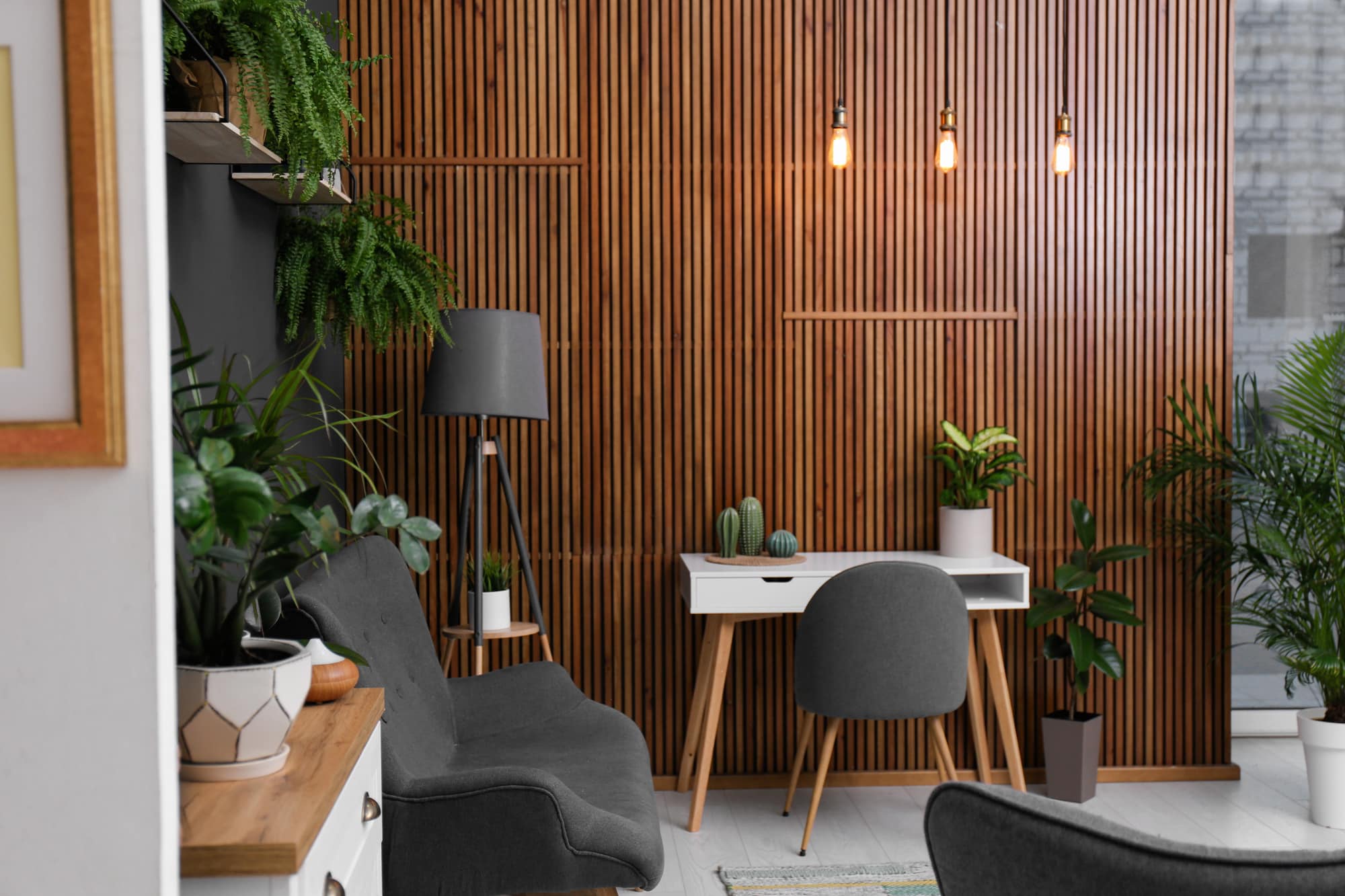
MDF wall cladding has become one of the most popular interior design solutions for homeowners, interior designers, and property developers looking to transform plain walls into stylish, modern feature walls. Medium-density fibreboard, commonly known as MDF, offers a versatile, cost-effective, and highly customisable material that can be used to achieve a wide range of decorative wall finishes.
From contemporary slatted designs to classic panelling styles, MDF wall cladding allows you to completely change the look and feel of a room without the expense of structural alterations. Whether used in living rooms, bedrooms, hallways, or commercial interiors, MDF feature walls have become a key trend in modern interior design across the UK.
In this guide, we will explore how to create a feature wall with MDF wall cladding, why it has become so popular, and what makes it such a practical and stylish choice for interior spaces.
What Is MDF Wall Cladding?
MDF wall cladding refers to decorative panels made from Medium Density Fibreboard that are fixed to interior walls to create a visual feature. MDF is an engineered wood product made by breaking down hardwood or softwood residuals into fibres, which are then combined with wax and resin and formed into panels under high pressure.
The result is a smooth, stable, and uniform material that is ideal for interior applications. Unlike natural wood, MDF does not have knots or grain inconsistencies, making it particularly suitable for painting and precision cutting.
In interior design, MDF cladding is often used to create feature walls that add texture, depth, and character to otherwise plain surfaces. It can be installed in vertical slats, geometric patterns, shaker-style panelling, or full wall coverings, depending on the desired aesthetic.
Why MDF Is Ideal for Feature Walls
One of the main reasons MDF wall cladding is MR Mouldings most widely used in feature wall design is its versatility. It can be easily cut, shaped, and customised to suit almost any interior style, from minimalist modern spaces to traditional interiors.
MDF provides a smooth surface that is ideal for painting, allowing homeowners and designers to match wall cladding to existing colour schemes or create bold contrast walls that stand out within a room.
Another key advantage is its cost-effectiveness. Compared to solid wood panelling, MDF offers a more affordable alternative without compromising on appearance. This makes it an attractive option for both residential and commercial interior projects.
Additionally, MDF is relatively easy to install, which means it can be used in both professional renovations and DIY home improvement projects.
Planning Your MDF Feature Wall
Before beginning installation, careful planning is essential to achieve the best results. The first step is to decide which wall will serve as the feature wall. In most cases, this is a prominent wall within a room, such as the wall behind a sofa in a living room, the headboard wall in a bedroom, or a central wall in a hallway.
It is also important to consider the style of MDF cladding you want to achieve. Popular designs include vertical slatted panels for a modern look, shaker-style panelling for a more traditional feel, or geometric layouts for contemporary interiors.
Measuring the wall accurately is crucial to ensure the MDF panels fit correctly and create a balanced design. At this stage, it is also helpful to plan the spacing, proportions, and layout of the cladding to avoid uneven finishes.
Preparing the Wall Surface
Proper surface preparation is essential for a successful MDF feature wall installation. The wall should be clean, dry, and free from dust, grease, or flaking paint.
Any holes or imperfections should be filled and sanded smooth to create an even surface for the cladding. This ensures that the MDF panels adhere properly and sit flush against the wall.
In some cases, a primer or undercoat may be applied depending on the adhesive being used and the condition of the wall surface. Good preparation helps ensure long-lasting results and prevents issues such as movement or uneven bonding over time.
Cutting and Preparing MDF Panels
Once the design and measurements have been finalised, the MDF panels can be cut to size. Precision is important at this stage, particularly for designs involving repeated patterns or evenly spaced slats.
MDF is relatively easy to work with and can be cut using standard woodworking tools. However, accurate measurement and careful cutting are essential to achieve a professional finish.
After cutting, the edges of the MDF should be lightly sanded to remove any roughness. This helps ensure clean lines and smooth joins once the panels are installed.
Depending on the design, the MDF may also be primed before installation, especially if it will be painted after fitting. This can help achieve a more even finish and reduce the number of paint coats required later.
Installing MDF Wall Cladding
The installation process for MDF feature walls typically involves fixing the panels directly onto the wall using strong adhesive and, in some cases, mechanical fixings for additional support.
The panels should be carefully positioned according to the planned design layout. It is important to check alignment regularly during installation to ensure straight lines and consistent spacing.
Once in place, the panels should be firmly pressed against the wall to secure adhesion. Any gaps or joins can be filled using decorators’ caulk or filler to create a seamless appearance.
At this stage, the feature wall begins to take shape, transforming the room from a plain space into a visually striking interior environment.
Painting and Finishing MDF Feature Walls
After installation, the MDF wall cladding can be painted to achieve the desired finish. One of the key benefits of MDF is its ability to take paint evenly, resulting in a smooth and professional appearance.
Many homeowners choose to paint MDF feature walls in neutral tones such as white, grey, or beige for a modern minimalist look. Others opt for darker shades such as navy, charcoal, or forest green to create bold, dramatic interiors.
The painting process typically involves applying a primer followed by one or two coats of topcoat paint. Careful application ensures consistent coverage and enhances the overall aesthetic of the feature wall.
Finishing touches, such as sealing edges or refining joints, help complete the professional appearance of the installation.
Popular MDF Feature Wall Styles
MDF wall cladding can be used to create a wide variety of interior styles. One of the most popular designs is vertical slatted panelling, which creates a clean, modern aesthetic often seen in contemporary homes and commercial interiors.
Shaker-style panelling is another widely used option, particularly in traditional or period-style properties. This design adds subtle depth and texture without overwhelming the space.
Geometric MDF feature walls are also becoming increasingly popular in modern interior design. These involve creative patterns and shapes that add visual interest and a bespoke feel to the room.
Each style offers a different aesthetic, allowing homeowners and designers to tailor feature walls to suit individual preferences and interior themes.
Benefits of MDF Feature Walls in Interior Design
MDF feature walls offer several advantages beyond aesthetics. They help add texture and depth to flat walls, creating a more dynamic and visually engaging interior space.
They can also help define different areas within open-plan living spaces, providing subtle separation without the need for structural partitions.
In addition, MDF cladding can improve the perceived quality of a room, making interiors feel more finished and professionally designed. This is particularly valuable in property development and home renovation projects where visual impact is important.
Maintenance and Durability
MDF feature walls are relatively low maintenance once installed. Painted surfaces can be easily cleaned with a soft cloth, and any minor marks can usually be touched up with paint.
While MDF is not suitable for high-moisture environments unless specifically treated, it performs extremely well in standard interior conditions such as living rooms, bedrooms, and hallways.
With proper installation and finishing, MDF wall cladding can provide a long-lasting decorative feature that maintains its appearance for many years.
Conclusion
Creating a feature wall with MDF wall cladding is one of the most effective ways to transform interior spaces quickly, affordably, and stylishly. Its versatility, ease of installation, and ability to achieve a wide range of design styles make it a popular choice for modern homes and commercial interiors across the UK.
From planning and preparation to installation and finishing, MDF allows homeowners and designers to create bespoke feature walls that enhance both the character and value of a space.
As interior design trends continue to evolve, MDF wall cladding remains a reliable and attractive solution for anyone looking to elevate their interiors with a professional, high-quality finish.