
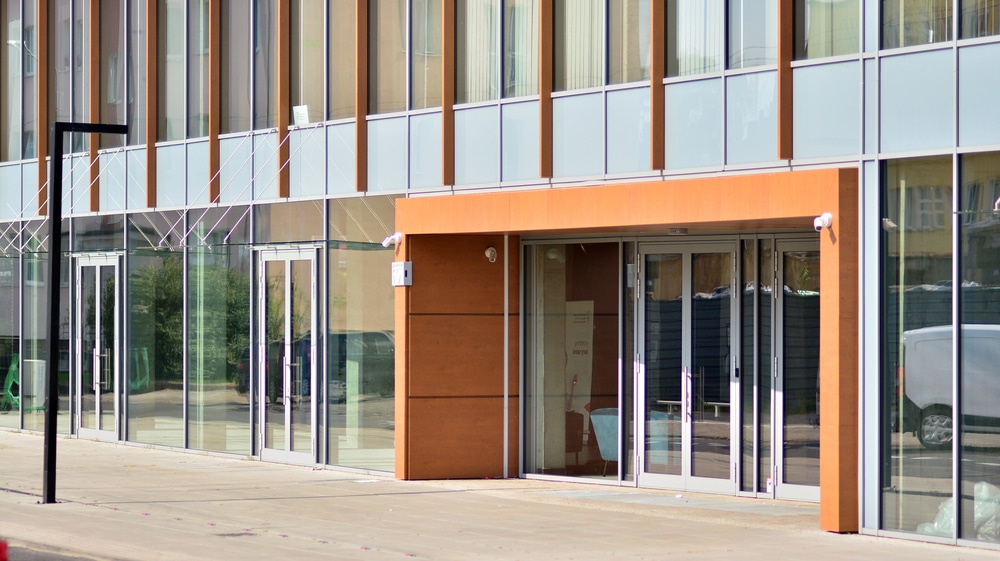
Aluminium cladding panels have become one of the most popular exterior building materials used across commercial, industrial, educational, and residential construction projects. Architects, developers, and property owners increasingly choose aluminium cladding because it offers an attractive combination of durability, low maintenance requirements, modern aesthetics, and long-term performance.
Why Aluminium Cladding Panels Continue to Grow in Popularity
Whether used on new build developments or refurbishment projects, aluminium cladding panels provide a sleek and contemporary appearance while helping to protect the building envelope from environmental conditions. Their versatility allows them to be specified across a wide range of applications, from office buildings and retail premises to apartment complexes and public-sector facilities.
As demand for modern façade systems continues to rise, understanding the performance, finish options, and lifespan of aluminium cladding panels can help property owners make informed decisions when selecting materials for their project.
What Are Aluminium Cladding Panels?
Aluminium cladding panels are external façade systems manufactured from high-quality aluminium. They are designed to cover and protect a building’s exterior while enhancing its visual appearance.
These panels are installed onto a supporting framework, creating a durable outer layer that shields the structure from weather exposure, temperature changes, and environmental wear. Depending on the system used, aluminium cladding can form part of a ventilated rainscreen façade or a decorative architectural covering.
Modern aluminium cladding panels are available in a wide variety of finishes, colours, sizes, and profile designs, making them suitable for both contemporary and traditional architectural applications.
Understanding the Performance of Aluminium Cladding
Performance is one of the key reasons aluminium cladding remains a preferred solution within the construction industry. A building’s exterior must withstand constant exposure to wind, rain, ultraviolet radiation, pollution, and fluctuating temperatures.
Aluminium performs exceptionally well under these demanding conditions due to its natural resistance to corrosion and environmental degradation. Unlike some materials that may crack, warp, rot, or deteriorate over time, aluminium maintains its structural integrity with minimal maintenance.
This reliable performance contributes to reduced lifecycle costs and helps ensure buildings continue to look professional and well-maintained for many years after installation.
Excellent Weather Resistance
The UK’s climate can be challenging for external building materials. Heavy rainfall, strong winds, frost, and prolonged exposure to moisture all place significant demands on a building’s façade.
Aluminium cladding panels are specifically designed to withstand these environmental conditions. The material naturally forms a protective oxide layer that helps prevent corrosion and degradation. This built-in protection allows aluminium to perform effectively in urban, coastal, and rural environments alike.
For building owners seeking a façade solution capable of coping with Britain’s unpredictable weather conditions, aluminium cladding offers an excellent balance of resilience and reliability.
Corrosion Resistance and Long-Term Durability
One of the standout benefits of aluminium cladding panels is their exceptional resistance to corrosion. Unlike some metals that may rust when exposed to moisture, aluminium naturally protects itself through oxidation.
This protective layer prevents deeper corrosion from developing and helps maintain the panel’s appearance over extended periods. As a result, aluminium cladding is commonly specified for projects located in demanding environments, including coastal locations where salt in the air can accelerate material deterioration.
The durability offered by aluminium contributes significantly to its reputation as a long-lasting and dependable cladding solution.
Lightweight Yet Structurally Strong
Despite its impressive strength, aluminium remains one of the lightest construction metals available. This combination of strength and low weight delivers several advantages during both installation and long-term use.
Lightweight panels place less load on the building structure, reducing engineering demands and often simplifying installation. Contractors can handle and position aluminium cladding panels more efficiently, potentially reducing labour costs and installation times.
At the same time, aluminium remains strong enough to withstand substantial environmental pressures without compromising performance or durability.
Supporting Energy-Efficient Building Design
Energy efficiency continues to play a major role in modern construction projects. Aluminium cladding systems can contribute to improved thermal performance when incorporated alongside appropriate insulation and façade design strategies.
Many rainscreen cladding systems utilise aluminium panels as part of a ventilated façade assembly. This approach can help manage moisture, improve thermal regulation, and support a more energy-efficient building envelope.
As sustainability targets become increasingly important, aluminium cladding remains a valuable component within modern energy-conscious building designs.
The Importance of Finish in Aluminium Cladding Panels
While performance is vital, appearance also plays a major role in the selection of cladding materials. Aluminium cladding panels are available in an extensive range of finishes, allowing architects and designers to achieve their desired visual outcome.
The finish significantly influences both aesthetics and long-term durability. High-quality finishes help protect the panel surface while maintaining consistent colour and appearance throughout its lifespan.
Choosing the right finish is therefore an important step in maximising both the visual and functional performance of aluminium cladding.
Powder-Coated Aluminium Cladding Finishes
Powder coating is one of the most popular finishing options for aluminium cladding panels. During the manufacturing process, a dry powder coating is electrostatically applied before being cured to create a durable and attractive surface.
Powder-coated aluminium cladding offers excellent colour consistency, weather resistance, and protection against fading. It is available in an extensive range of colours, making it easy to align the building’s appearance with specific architectural requirements.
This flexibility makes powder-coated panels suitable for commercial buildings, schools, residential developments, and public-sector projects.
Anodised Aluminium Cladding Finishes
Anodising is another widely used finishing process for aluminium cladding. Unlike surface coatings that sit on top of the metal, anodising creates a controlled oxide layer that becomes part of the aluminium itself.
This process enhances corrosion resistance while producing a distinctive metallic appearance that many architects favour. Anodised finishes are often selected for premium commercial developments and contemporary architectural projects where appearance and durability are equally important.
The clean, modern aesthetic of anodised aluminium continues to make it a popular choice for prestigious building façades.
Wood Effect Aluminium Cladding Panels
Modern manufacturing technology has made it possible to create aluminium cladding panels that closely replicate the appearance of natural timber. Wood effect aluminium cladding combines the warmth and character of timber with the durability and low maintenance benefits of metal.
This solution is increasingly popular for residential and commercial projects seeking a natural appearance without the maintenance challenges associated with genuine wood products.
Wood effect finishes allow designers to achieve an attractive aesthetic while benefiting from the longevity and weather resistance of aluminium.
Colour Flexibility for Architectural Projects
One of the major strengths of aluminium cladding is its ability to accommodate almost any design vision. Panels are available in a vast selection of colours, including standard RAL shades, metallic finishes, textured coatings, and bespoke colour-matched solutions.
This flexibility enables architects to create bold, contemporary designs or more subtle and understated façades depending on project requirements.
The availability of customised colours makes aluminium cladding suitable for brand-specific commercial projects, educational buildings, healthcare facilities, and modern residential developments.
Low Maintenance Requirements
Maintaining external building materials can become costly and time-consuming over the life of a property. Aluminium cladding panels offer significant advantages due to their relatively low maintenance requirements.
Unlike timber cladding that may require regular staining or painting, aluminium generally only needs periodic cleaning to maintain its appearance. Dirt, pollution, and environmental deposits can usually be removed through simple cleaning procedures.
This ease of maintenance helps reduce ongoing operational costs while ensuring the building continues to present a professional appearance over time.
How Long Do Aluminium Cladding Panels Last?
One of the most frequently asked questions about aluminium cladding concerns lifespan. When properly specified, manufactured, installed, and maintained, aluminium cladding panels can provide decades of reliable service.
The exact lifespan depends on factors including panel quality, environmental exposure, coating type, installation standards, and maintenance practices. However, aluminium is widely recognised as one of the most durable façade materials available.
Its combination of corrosion resistance, structural stability, and weather protection allows it to maintain both functionality and appearance for an extended period.
Factors That Influence Aluminium Cladding Lifespan
Several factors contribute to the longevity of aluminium cladding systems. High-quality manufacturing standards play a significant role in ensuring long-term durability. Premium finishes provide additional protection against environmental exposure and colour degradation.
Proper installation is equally important. Panels that are installed according to manufacturer specifications are more likely to perform effectively throughout their intended service life.
Regular cleaning and inspection can further enhance lifespan by identifying any maintenance requirements before they become more significant concerns.
Why Aluminium Cladding Represents Long-Term Value
Although initial project costs are always a consideration, assessing façade materials solely on purchase price can be misleading. Aluminium cladding often delivers excellent long-term value due to its durability, low maintenance requirements, and extended lifespan.
Property owners frequently benefit from reduced repair costs, lower maintenance expenditure, and improved aesthetic longevity compared to some alternative façade materials.
When viewed over the entire lifecycle of a building, aluminium cladding can represent a highly cost-effective investment.
Choosing Aluminium Cladding Panels for Modern Buildings
Modern construction projects demand materials that combine performance, aesthetics, and durability. Aluminium cladding panels successfully meet all three criteria, making them one of the most versatile façade solutions available today.
Their ability to withstand harsh weather conditions, resist corrosion, support energy-efficient designs, and maintain an attractive appearance over time makes them suitable for a wide variety of applications. With numerous finish options available, including powder-coated, anodised, and wood effect designs, aluminium cladding offers flexibility for virtually any architectural style.
For developers, architects, and property owners seeking a long-lasting external cladding solution, aluminium cladding panels provide an outstanding combination of performance, finish quality, and lifespan. By investing in high-quality aluminium cladding, building owners can achieve a façade that delivers both visual impact and reliable protection for many years to come.