
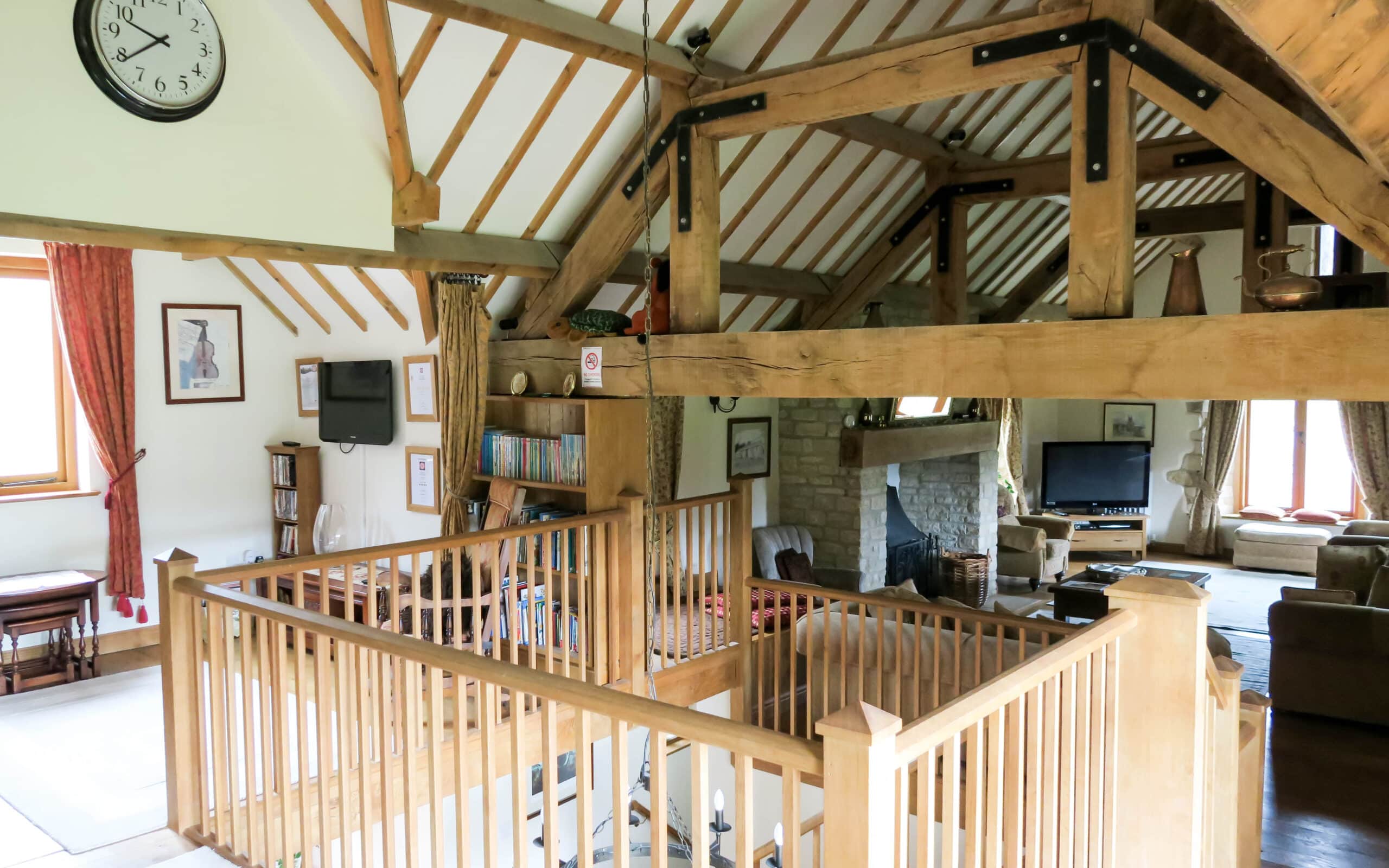
Staircases can present everyday hazards, especially in lively family homes. Taking a practical approach to their design helps prevent slips, trips, and falls for users of all ages. This guide explores key safety features for creating a staircase that supports comfort and confidence, whatever your household’s needs.
Most accidents at home occur on the stairs, an area used frequently by children, adults, and guests. Making thoughtful design choices for this high-traffic area can help reduce injury risks. Prioritising robust safety features for your staircase, including well-designed Balustrades, supports peace of mind and independent movement for even the youngest or oldest family members. Targeted adjustments can help ensure your home remains both inviting and secure for everyone who uses the stairs each day.
Fundamental Geometry and Layout Of Safe Stairs
Safe staircases start with the essentials of design, particularly consistent step height and depth. When steps are uniform throughout, foot placement is more predictable and secure, which may lower the chance of missteps. Inconsistencies in the rise or run of individual stairs can contribute to stumbles, so consistent geometry plays an important role. Adequate stair width and a straight, clear walking line accommodate people moving up and down at the same time, making daily routines smoother and safer. Careful attention to these measurements can help reduce the risk of accidents.
Visibility is also crucial for safety. The first and last steps are typical places for trips, so visual cues such as contrasting nosing or lighting can be helpful. Families may benefit from a clear view of stair edges, which can assist those learning to climb or individuals with reduced eyesight to navigate more confidently. In many homes, open-riser stairs or alternating treads require extra caution, as consistent geometry becomes even more important for safety. These foundational principles underpin every subsequent decision about the staircase’s features.
Ensuring Handrails Are Accessible To All Users
Handrails are an essential safeguard against slips and misjudgements, providing support for both ascent and descent. Installing two handrails, one on each side, is often advisable for wide flights or homes with young children and older adults. Ergonomic handrail profiles with non-slip materials can help users grip firmly without strain. Positioning handrails at a consistent and comfortable height is generally important for safety and accessibility.
Continuous, unbroken handrails guide the user safely along the entire flight, removing gaps where users might lose balance. Rounded or oval handrail shapes can offer a secure grip and may be gentler on children’s hands. Additional supports or intermediate railings can assist shorter users, while all fixings should remain solid to prevent wobbling or detachment over time. Careful handrail choices help address the wide variation in how people use stairs, supporting confidence, independence, and safety on a daily basis.
Reducing Fall Risks With Guarding and Safe Finishes
Open edges on staircases can increase risk, particularly for children or pets, making secure barriers important. Infills such as vertical spindles can help prevent climbing and close gaps that could pose danger for small heads or limbs. Regularly checking for firm fixings and addressing any movement in the balustrade maintains the barrier’s effectiveness and can reduce the risk of structural issues. The combination of sturdy guarding and correct geometry can improve safety in many homes.
Slip resistance is another key aspect of stair safety for families. Tread materials, whether timber, carpet, or painted surfaces, should provide enough grip, even when shoes or socks are damp. For carpet runners and hard finishes, secure edges and anti-slip nosing profiles can help decrease slipping and tripping hazards. Proper maintenance and careful installation of these elements can keep a staircase safe over time. For high-traffic households, selecting durable materials and reliable finishes can help maintain safety and comfort in the long run.
Practical Lighting, Clutter Control, and Maintenance Habits
Layered lighting keeps stair routes safe at any hour, combining overhead fixtures with wall-mounted sconces or LED strips. Placing switches at both landings simplifies use for every family member. Soft, evenly distributed lighting prevents harsh shadows that might obscure steps, helping children and adults see stair edges clearly. Night lighting, such as low-level lights near the skirting board, can help family members navigate safely at night without disturbing others or producing glare.
Families with young children may need additional precautions, while avoiding an overly institutional feel. Safety gates at the top and bottom of stairs can be suitable when toddlers are present but should be easy to operate and must not obstruct emergency escape routes. Keeping the steps clear of clutter by establishing good storage habits helps reduce avoidable trip risks. Loose rugs and electrical cords should not be placed across or near steps where feet may catch. Regular maintenance, including checking for loose fittings, worn coverings, and unwanted movement, helps catch minor issues before they develop into significant hazards, ensuring your staircase continues to serve the family safely and reliably.