
Planning your first holiday with a baby is a process that turns feeding, naps, packing, and travel timing into one workable family plan. Before a baby, travel is often built around freedom. After a baby, travel is built around regulation, recovery, and comfort.
This guide focuses on the parts that matter most: choosing the right destination, picking the best travel method, booking practical accommodation, packing well, and staying calm when the day stops going to plan.
Why Is Travelling with a Baby Different from Travelling Alone?
Travelling with a baby is different because a baby changes the timetable, the luggage profile, and the margin for error. A missed meal or broken nap affects the next few hours, not just the next few minutes.
You judge every decision differently. A nice hotel now has to be quiet. A short drive now needs safe stopping points. A busy day out now has to work around feeding and settling.
Once you accept that rhythm matters more than spontaneity, planning becomes much easier, and the trip starts to feel manageable.
What Should You Consider Before Planning Your First Trip with a Baby?
The main things to consider are your baby’s age, your family’s current energy, the transfer length, and how stable the routine feels at home. A first trip should match real life, not pre-baby travel habits.
Very young babies may need frequent feeds and quiet sleep windows. Older babies may need more floor space, more stimulation, and tighter safety control. Parents also need to think honestly about their own capacity.
- Baby age and routine stability
- Distance and transfer complexity
- Weather and temperature comfort
- Access to shops, pharmacies, and medical help
- Sleep conditions in the room or vehicle
- Parent confidence and recovery needs
How to Plan Your First Holiday with a Baby Step-by-Step
Planning your first holiday with a baby usually involves six steps: choose the right destination, decide on the best travel method, book accommodation that supports baby care, shape the trip around routine, pack by function, and prepare for the unexpected. Those six steps work because they move from big choices to practical details.
If you follow them in order, the holiday becomes easier to manage and enjoy.
- Choose a low-friction destination.
- Pick the travel method that gives you the most control.
- Book baby-friendly accommodation
- Plan around feeds, naps, and bedtime.
- Pack the essentials in clear categories.
- Prepare backup options for delays and disruptions.
Step 1: Choose the Right Destination
The right destination is a place that gives your family more ease than effort. For a first trip, close usually beats ambitious. A quiet coastal town, countryside stay, or one-base short break often works better than a complex multi-stop plan.
Look for easy grocery shopping and a place you can return to quickly for a nap. The best destination is not the one with the longest list of attractions. It is the one that supports your baby’s comfort without asking too much from you.
Step 2: Decide on the Best Travel Method
The best travel method is the one that offers the highest level of comfort with the least complexity. Cars work well because you control departure time, temperature, luggage, and rest stops. Short flights can work too if the onward transfer is simple.
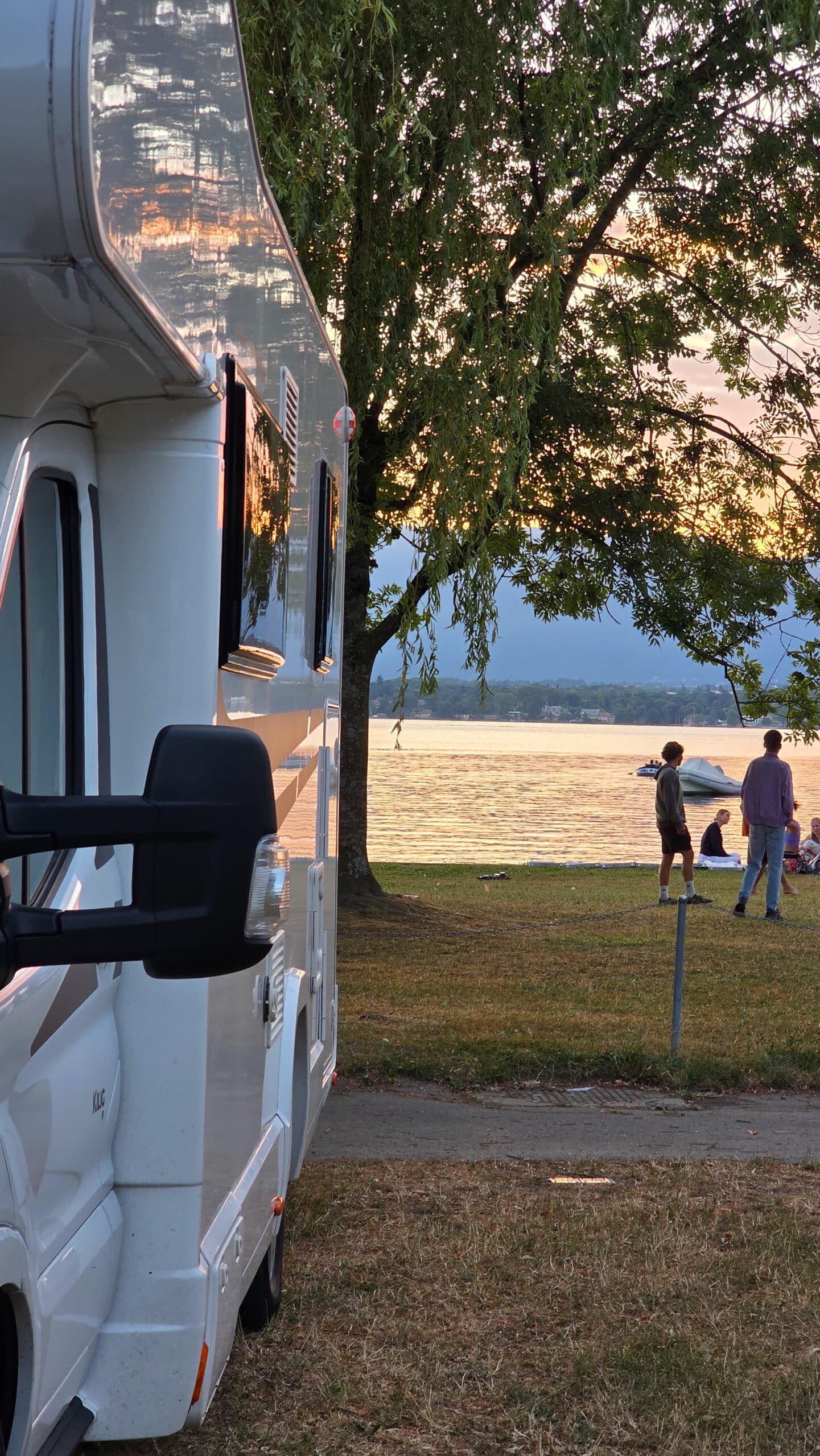
Motorhome travel gives families something different. It combines transport, storage, feeding space, and a rest area in one environment. Parents who are curious about this format often start by browsing motorhome dealers in the UK or motorhome and campervan dealers, then move to 4 berth motorhomes for sale because a four-berth setup usually gives better storage, safer movement, and enough room for feeding and changing.
Step 3: Book Accommodation That Works for Babies
Baby-friendly accommodation is a place that protects sleep, supports feeding, and gives parents enough room to function quietly after bedtime. That matters more than stylish décor or a central postcode.
Check whether a cot is available, whether blackout curtains are present, and whether there is a kettle, fridge, or kitchen access. Apartments and family rooms often work better than small hotel rooms because they create separation between the baby’s sleep and the adults’ movement. If you use a road-based setup instead, the same rule applies. The layout decides how smooth the holiday feels.
Step 4: Plan Around Your Baby’s Routine
A baby’s routine is a biological pattern that regulates feeding, naps, stimulation, and sleep through the day. On holiday, routine does not need to stay identical, but it does need to stay recognisable.
Most first trips go better when you protect a few anchors, usually wake time, the main nap, and bedtime. Travel during the easiest sleep window when possible. Feed before longer transfers. Keep day one light. A regulated baby is more likely to settle at night, and that affects the whole family’s energy.
Step 5: Pack Smart Without Overpacking
Smart packing is a method that covers core baby needs without burying them under low-value extras. The real goal is not to pack more. The real goal is to find what matters fast.
Group items by function. Keep one feeding kit, one sleep kit, and one fast-access change kit. If you are considering road travel, layout matters here, too. Families often compare used motorhomes for sale, used motorhomes with garage, motorhomes with end lounge, rear lounge motorhomes for sale, end bedroom motorhomes for sale, end bathroom motorhomes for sale, or island bed motorhomes for sale because storage and movement space change how easy it is to live with baby equipment.
If you’re planning to stay hands-free while exploring, investing in quality baby gear like a supportive carrier can make travelling with a baby far more comfortable and enjoyable for both of you.
Parents who wear glasses may also find that switching to a suitable contact lens makes life on the road easier. Chasing a crawling baby on a beach or navigating a busy airport with a pram is a lot more manageable when you are not adjusting frames or worrying about them getting knocked. It is worth sorting before you leave so it is already one less thing on the packing list
Step 6: Prepare for the Unexpected
Unexpected problems are normal parts of family travel, not proof that the trip was a bad idea. Babies miss naps, weather changes, and check-ins run late. Stress-free travel comes from margin, not from perfection.
Leave room in the day. Carry one spare outfit for the baby and one for yourself. Know where the nearest shop or pharmacy is. When the schedule has buffer time, small problems stay small and the holiday remains recoverable.
What Are the Essentials You Must Pack for a Baby Holiday?
Baby travel essentials are the items that keep feeding, hygiene, sleep, movement, and health stable away from home. The list should be functional before it becomes impressive.
New parents often pack emotionally and end up with too much volume but poor organisation. A better system is to cover the main needs first and keep the highest-value items easiest to reach.
- Feeding items such as bottles, formula, bibs, and sterilising basics
- Sleep items such as sheets, a sleep bag, white noise, and a comfort item
- Hygiene items such as nappies, wipes, cream, and spare bags
- Layered clothing for weather changes and accidents
- Health items such as a thermometer and prescribed medicines
- One fast-access travel kit for delays and messy moments
What Are the Best Travel Options for Families with a Baby?
The best travel options for families with a baby are usually car-based breaks, short flights with simple transfers, or motorhome trips that reduce transitions. Each one solves a different problem.
Car travel gives control. Flights give speed when the rest of the journey is easy. Motorhomes give flexibility because feeding, changing, and resting happen in the same place. That is why some parents move from general searches for motorhomes for sale or a motorhome for sale to comparing used 2 berth motorhomes for sale, 2 berth campervans for sale, two berth motorhomes, 3 berth motorhomes for sale, three berth motorhomes, used 3 berth motorhomes for sale, quality automatic motorhomes for sale, automatic campervans for sale, low profile motorhomes for sale, used coachbuilt motorhomes for sale, used class a motorhomes for sale, or fully inspected campervans for sale before deciding what actually suits family life.
What Challenges Should You Expect When Travelling with a Baby?
The main challenges are disrupted sleep, slower movement, more equipment, and decision fatigue. These are normal issues, not signs that family travel is failing.
Most stress appears when parents compare the trip to pre-baby standards. The holiday works better when success means comfort, connection, and enough rest to enjoy the next day.
- Disrupted naps can change the evening.
- Feeding delays can create stress during transfers.
- Overpacking can hide the real essentials.
- Overplanning can make the day feel rushed.
- Unfamiliar sleep spaces can slow settling.
How Can You Keep Your Baby Comfortable During Travel?
You keep your baby comfortable by regulating temperature, controlling feeding timing, providing rest, and offering familiar sensory cues. Comfort is usually created by repetition, not by novelty.
The same blanket texture, bedtime phrase, or bottle routine can make a new space feel safer. Simple decisions matter more than elaborate ones. Shade matters. Dry clothes matter. Quiet matters. A short pause before everyone becomes overtired matters too.
- Dress in layers for changing conditions
- Feed slightly before long transfers where possible.
- Protect one key nap instead of chasing too many activities.
- Recreate bedtime cues in the new environment.
- Keep arrival day gentle and low-stimulation
What Are Common Mistakes Parents Make When Travelling with a Baby?
The most common mistakes are overplanning, underestimating transfer time, and choosing adult convenience over baby rhythm. These errors look minor when booking, but they create friction quickly on the road.
Parents also tend to pack too much and organise too little. They book poor sleep spaces. They try too much on day one.
- Overbook activities with no buffer time
- Ignore the main nap and bedtime anchors.
- Pack extras, but miss one critical essential.
- Choose style over function in accommodation.
- Treat the first day like a sightseeing day.
How Much Does It Cost to Travel with a Baby?
The cost of travelling with a baby varies widely, but the biggest drivers are transport, accommodation, and how much gear you need to buy, hire, or upgrade. Costs stay lower when your travel style matches your baby’s needs from the start.
This is also where some families reassess their setup. If you already own a compact camper, it can help to read How to value your motorhome before upgrading. A motorhome valuation guide, motorhome valuation services, or a clear sell-your-motorhome service can reduce guesswork if you plan to sell your used motorhome and move into a more practical family layout. That helps whether you compare a sell my motorhome route, firms that say we buy your motorhome, or we buy any motorhome, or options to buy a motorhome on finance with motorhome loans and a motorhome finance calculator.
- Transport, including fuel, parking, flights, or hire
- Accommodation, especially when you need extra space
- Baby gear such as a travel cot, carrier, or blackout cover
- Food and convenience spending when prep options are limited
- Insurance and contingency money for changes or delays
Final Tips for a Stress-Free First Holiday with a Baby
The best final advice is to design the trip around ease, not around proving that you can still travel as before. A good first holiday is a stable one.
That may mean one base instead of three. It may mean choosing Oaktree Motorhomes, Oaktree used campervans for sale, or even used 6 berth motorhomes for sale later rather than now. If ownership does become relevant, questions such as what is a motorhome broker or what is a motorhome trader can wait until after you know your family’s real travel pattern.
Conclusion
A first holiday with a baby is a new system that works when feeding, sleep, movement, comfort, and expectations all support each other. That sounds demanding, but it also makes decision-making clearer.
Choose a low-friction destination, protect routine, pack by function, and leave margin for change. Do that, and your first family trip can feel less like a test and more like what it should be: calm, confidence-building time away together.