
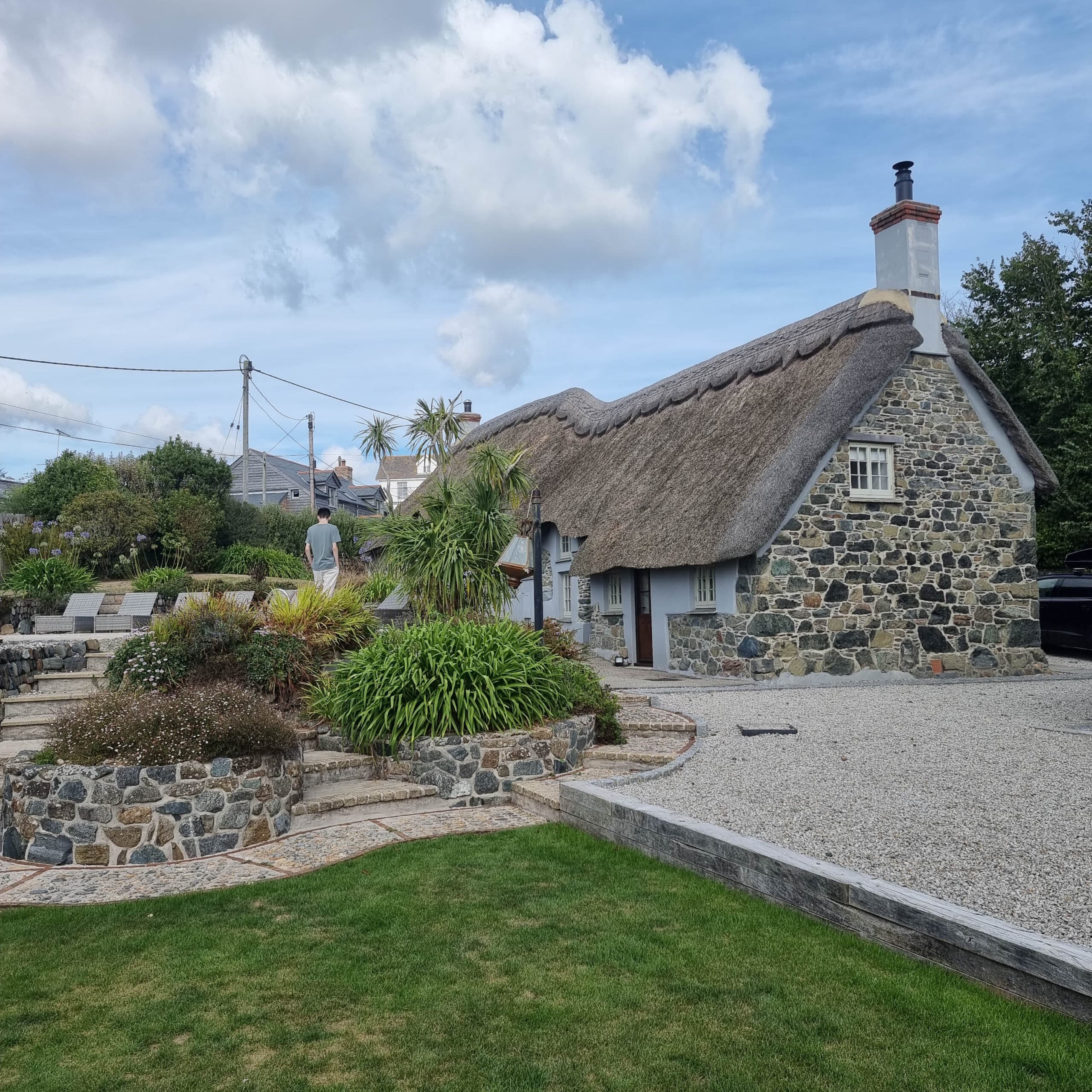
There’s a common assumption that timber windows belong only to period properties, reserved for Georgian terraces and Victorian villas. But here’s what surprises many homeowners: timber works just as beautifully in a contemporary new-build as it does in a listed building. Choosing the right timber window comes down to three things: your property’s architectural style, the performance you need, and the timber species that matches your vision. This guide walks you through the best timber window styles for traditional UK homes, the top picks for modern properties, how to select the right timber, and why energy performance should be on your radar. By the end, you’ll know exactly which direction to go.
Why Timber Windows Can Be the Best Choice for Your Home
Timber stands apart as the only window material that fits seamlessly into a Georgian townhouse and a minimalist new-build. That versatility explains why it’s outlasted every other material over centuries of architectural change. Unlike uPVC or aluminium, timber brings natural warmth and depth to a building, with grain patterns and organic texture that can’t be replicated. In conservation areas, timber is often the only material planning authorities will approve. But modern architects choose it just as often for its authentic character and environmental credentials.
Windows from sustainably sourced timber in the UK contribute to responsible forestry and deliver real performance benefits at the same time. Here’s why timber keeps winning:
- Natural insulator: Timber’s cellular structure traps air, reducing heat transfer through the frame.
- Repairable and long-lasting: Unlike plastic or metal, timber can be repaired, repainted, and kept in service for 60+ years.
- Design flexibility: Timber accepts any finish, profile, or detailing you need, from heritage replicas to sleek contemporary frames.
- Sustainable material: Responsibly sourced timber locks in carbon and comes from renewable forests.
A British Woodworking Federation (BWF) consumer survey found that 59% of UK homeowners felt timber windows offered the widest variety of style and design options.¹ That’s not just nostalgia talking. It’s recognition that timber adapts to your home, not the other way around.
Best Timber Windows for Traditional UK Homes
If you own a Georgian, Victorian, Edwardian, or cottage-style property, the window style you choose will either honour the building’s character or quietly undermine it. Here’s what works.
Sash Windows
Sliding sash windows are the signature style of period homes across the UK, from Bath terraces to Edinburgh New Town. They define the look of Georgian, Victorian, and Edwardian architecture. If authenticity matters to you, sash windows are the default choice.
There are two main variants. Box sash windows use cords and weights hidden inside the frame, offering the most authentic heritage feel and operation. Spring-balance sash windows use modern counterbalance mechanisms for smoother opening and closing, without visible cords. Both can now be fitted with double glazing, draught-proofing, and PAS 24 security certification, all while preserving the period aesthetic your home deserves.
Here’s what sash windows bring to your property:
- Heritage appearance that respects the building’s original design
- Flexible ventilation through the double-hung design (you can open top, bottom, or both)
- Slimline glazing options available for conservation areas and listed buildings
- Proven to increase property value when replacing old or inappropriate windows
Modern manufacturing allows sash windows to meet 21st-century performance standards without looking like a compromise. The profiles stay slim, the proportions stay correct, and the operation stays smooth.
Traditional Casement Windows
Cottage-style casement windows suit rural properties, Tudor homes, and Arts and Crafts architecture. These windows open outward on side-hung hinges and often feature glazing bars that divide the glass into smaller panes. The frames are typically more substantial than modern equivalents, giving them a solid, handcrafted look that fits older buildings beautifully.
If you’re working on a listed building or a property in a conservation area, slimline double glazing can be fitted into traditional casement frames, balancing heritage authenticity with thermal performance. The glass sits closer to the original single-pane appearance while still meeting modern Building Regulations.
Best Timber Windows for Modern UK Homes
Contemporary homes need clean lines, slim profiles, and lots of natural light. Timber delivers all three without the cold, industrial feel of aluminium. Here’s where modern timber windows really shine.
Flush Casement Windows
Flush casement windows sit flush with the frame when closed, creating a smooth, uninterrupted surface across the window. There are no protruding beads or steps. The result is a clean, geometric look that suits both new builds and conservation-area renovations where understated elegance is the goal.
Engineered timber allows for profiles up to 30–40% slimmer than traditional casements, meaning more glass and less visible frame. That’s a big deal if you want to maximise light or take advantage of a view. The flush design also delivers superior airtightness because the sash compresses evenly against the seal when closed, reducing draughts and heat loss.
Flush casements offer:
- Clean lines and minimalist detailing that suit contemporary architecture
- Superior airtightness from even seal compression across the entire perimeter
- Maximum glass area with minimal frame intrusion
- Versatility across styles, from modern extensions to heritage refurbishments
Tilt-and-Turn Windows
Tilt-and-turn windows offer dual functionality in a single frame. Tilt the handle one way, and the window tilts inward from the top for ventilation. Turn the handle the other way, and the entire sash swings open from the side for full access and easy cleaning. This European-influenced style has become popular in modern UK architecture for its simplicity and integrated function. If you’re planning a self-build or a contemporary extension, tilt-and-turn windows give you flexibility without adding extra hardware or complication.
Large Fixed-Pane Windows
Fixed-pane windows are the purest expression of minimalist design. Maximum glass, minimal frame. If you want unobstructed views or floor-to-ceiling glazing, fixed timber windows offer a warmer alternative to aluminium, with the frame itself becoming part of the architectural statement. Timber’s natural texture softens the look and adds warmth to spaces dominated by glass and concrete.
Choosing the Right Timber Species
The timber you choose affects how your windows look, how long they last, how much maintenance they need, and what they cost. Here’s a straightforward comparison to help you match timber species to your priorities.
- Engineered Softwood (Pine/Redwood): This is the best value option. Engineered softwood is made by laminating thin layers of timber together, giving excellent dimensional stability and resistance to warping. The pale, uniform appearance makes it perfect for painted finishes in white, grey, or black. It’s a solid choice for most applications and offers great performance at a reasonable price.
- Oak: Oak is the premium choice if you want pronounced grain and rich character. It’s a statement timber, best used for feature windows or heritage homes where the wood itself becomes part of the design. Oak costs more and has a strong visual presence, so use it carefully.
- Accoya: Accoya is modified softwood treated through acetylation, a process that changes the wood’s cellular structure to make it exceptionally resistant to rot and dimensional movement. It comes with a 50-year guarantee against decay and offers the lowest maintenance requirements of any timber. If your windows face extreme weather or you want longevity with minimal upkeep, Accoya is the smart choice.
- Meranti / Hardwood alternatives: Meranti and similar hardwoods sit in the mid-range. They offer natural durability and warm reddish-brown tones that work beautifully with stain finishes. They’re a step up from softwood in appearance and natural weather resistance, without the cost of oak.
Each species has its place. Choose based on your budget, maintenance expectations, and the look you’re after.
Final Thoughts
Timber windows are the only material that serves both traditional and modern UK homes with equal distinction. Whether you’re restoring a Victorian terrace or building a contemporary self-build, timber adapts to your vision without compromise. Choose your style based on your property’s architecture, select a timber species that matches your performance needs and maintenance expectations, and you’ll end up with windows that look right, perform well, and last decades.
If you’re ready to explore your options, Patchett Joinery offers a full range of timber windows crafted in Yorkshire with over 180 years of experience. Get in touch for custom advice or request a quote for your project.
Frequently Asked Questions
What are the best timber windows for Victorian homes?
Sash windows are the best choice for Victorian homes. Box sash windows with cords and weights offer the most authentic heritage feel, while spring-balance sash windows give smoother operation with a cleaner internal profile. Both can be double-glazed and fitted with draught-proofing and modern security features. Period-appropriate detailing like glazing bars and horns complete the look.
Can timber windows work in a modern minimalist home?
Yes. Flush casement windows, tilt-and-turn windows, and large fixed-pane windows all offer clean lines and slim profiles that suit contemporary architecture. Engineered timber allows for thinner frames than traditional designs, maximising glass area and natural light. Timber brings warmth and organic texture to modern spaces without the industrial feel of aluminium.
How long do best timber windows last?
Timber windows last 40 to 60+ years with proper maintenance. That’s significantly longer than uPVC, which typically lasts 20 to 30 years before the material degrades and the frames need replacing. Timber can be repainted, repaired, and kept in service for generations. Accoya-modified timber comes with a 50-year guarantee against rot.
Are timber windows energy efficient?
Yes. Modern double-glazed timber windows achieve U-values of 1.2 to 1.4 W/m²K, meeting or exceeding Building Regulations Part L. Timber is a natural insulator with far lower thermal conductivity than aluminium, so the frames stay warm and don’t create cold bridges. Replacing old single-glazed windows with modern timber double glazing can reduce heat loss by around 75%.
Are the timber windows worth the cost?
Many homeowners feel they are, because timber windows can be repaired, refreshed, and kept looking good for a long time, which adds value in the long run.