
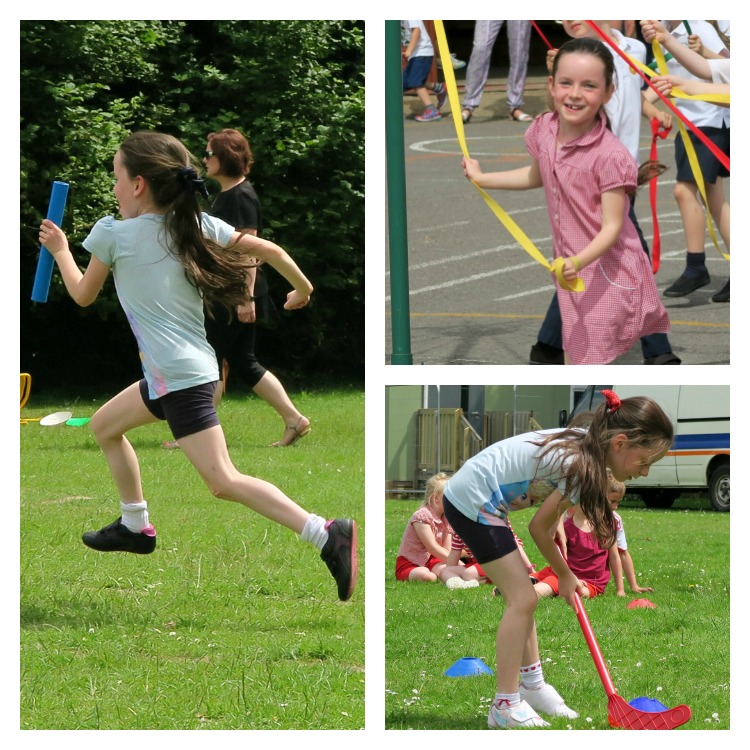
School competitions have always been a great way to encourage learning, teamwork, and personal growth. Whether they involve sports, science, music, art, or public speaking, they give pupils a chance to discover their strengths and build confidence. However, not every child feels included when competitions are planned without considering different abilities, interests, or backgrounds. Schools can create a much better experience by making competitions fair, welcoming, and enjoyable for everyone. When every pupil feels valued, participation increases, and the whole school community benefits.
Recognising every pupil’s effort
One simple way to make competitions more inclusive is by celebrating effort as well as achievement. Instead of only rewarding first, second, and third place, schools can recognise qualities such as kindness, determination, creativity, and teamwork. Custom medals can help schools create awards that match these different achievements, making every participant feel appreciated. Many schools also look for affordable suppliers such as Budgettrophy when organising events because keeping costs under control makes it easier to reward a larger number of pupils without reducing quality.
Offering a wider range of competitions
Not every child enjoys the same activities. Some pupils shine on the sports field, while others prefer writing stories, solving maths puzzles, building models, or performing music. By offering a wider variety of competitions, schools give every child a chance to take part in something they genuinely enjoy.
This approach also helps pupils discover talents they may not have realised they had. A child who struggles in football might be excellent at photography or coding. When schools value different skills equally, pupils feel respected for who they are.
Making participation accessible
Accessibility should be part of every competition from the beginning. This means thinking about pupils with physical disabilities, learning differences, language barriers, or other individual needs. Small adjustments can make a huge difference.
For example, organisers can provide clear instructions, allow extra time where needed, and ensure venues are easy to access. Team activities can also be designed so that every member has an important role. These changes help remove unnecessary barriers without lowering standards.
Encouraging teamwork instead of rivalry
Healthy competition can be exciting, but too much focus on winning may discourage some pupils. Team-based competitions often create a more supportive atmosphere. Pupils learn to communicate, solve problems together, and encourage one another.
Working towards a shared goal teaches valuable life skills that will be useful far beyond school. Children also learn that success often comes through cooperation rather than individual achievement. This creates stronger friendships and a greater sense of belonging.
Involving pupils in planning
Schools can improve competitions by listening to the people who take part in them. Asking pupils for ideas helps organisers understand what activities they enjoy and what changes could make events more welcoming.
Simple surveys or classroom discussions can provide useful feedback. Pupils often suggest creative ideas that adults may not have considered. When children know their opinions matter, they become more enthusiastic about joining future events.
Supporting positive behaviour
Teachers and organisers play an important role in setting the tone of any competition. They should encourage respect, honesty, and good sportsmanship throughout the event. Winning should never come at the expense of kindness.
Praising fair play and positive attitudes reminds pupils that character is just as important as results. This lesson stays with children long after the competition has ended. A supportive environment also reduces anxiety for pupils who may be nervous about taking part.
Involving families and the wider community
Parents, carers, and local organisations can help make school competitions even more inclusive. Families may volunteer, judge events, or simply attend to cheer on participants. Their involvement creates a warm and encouraging atmosphere.
Community groups and local businesses can also provide resources, sponsorship, or prizes. Their support helps schools organise events that reach more pupils while strengthening connections between the school and the local area.
Celebrating progress throughout the year
Competitions do not always need to be one-off events. Schools can celebrate progress over several months by recognising improvement rather than only final results. This encourages pupils to focus on learning and personal development instead of comparing themselves with others.
Children who see their own progress become more motivated to continue trying, even when challenges arise. This growth mindset helps them build resilience and confidence in many areas of school life.
Creating a welcoming atmosphere
The environment surrounding a competition matters just as much as the event itself. Friendly announcements, colourful displays, supportive teachers, and enthusiastic spectators all help pupils feel comfortable. Schools should avoid placing too much pressure on participants and instead focus on making the experience enjoyable.
Simple gestures, such as welcoming new participants and thanking every child for taking part, help build confidence. When pupils know they will be treated with respect regardless of the outcome, they are far more likely to participate again.
Inclusive school competitions benefit everyone. They encourage confidence, strengthen friendships, and allow pupils to develop important skills in a positive setting. By recognising different talents, providing equal opportunities, supporting accessibility, and celebrating effort alongside success, schools can create competitions where every child feels welcome. When inclusion becomes the priority, competitions become more than just contests. They become opportunities for learning, personal growth, and building a stronger school community that values every pupil equally.