
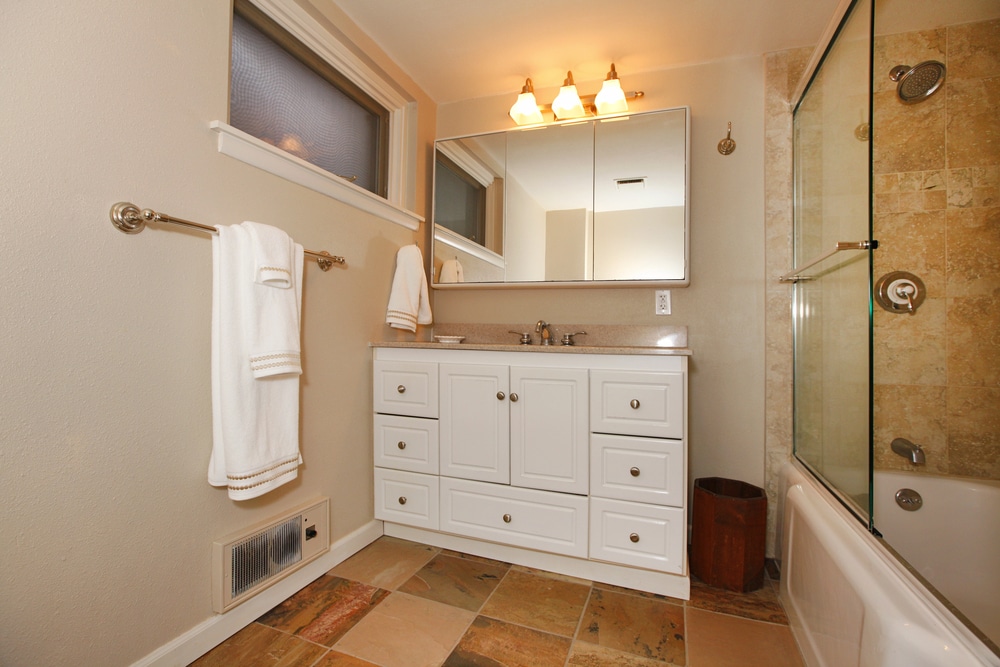
A basement toilet that refuses to drain may signal that gravity-based plumbing can’t handle below-grade waste removal. The solution requires specialized pumping equipment designed to move waste uphill against gravity. This guide draws on insights from Zoeller Pumps, a Louisville, Kentucky-based pump manufacturer with decades of experience in residential and commercial wastewater equipment, to explain how sewage grinder pumps solve this common problem.
What Is A Sewage Grinder Pump?
A sewage grinder pump is designed to handle wastewater from below-grade plumbing fixtures. According to Zoeller Pumps, this type of solids reduction pump “grinds solid waste and pushes it to the main sewer line,” making it essential for properties where conventional drainage cannot function. These pumps are often needed when plumbing fixtures sit lower than the property’s sewer connection or septic system, making gravity drainage ineffective.
The process begins when wastewater collects in a basin installed below floor level. Once enough volume accumulates to trigger the pump, sewer grinder pumps activate and force the processed waste upward through the discharge line to the main sewer connection. This mechanical assistance solves the fundamental challenge basement plumbing presents when fixtures sit lower than the point where waste needs to go.
Why They Are Essential for Basement Plumbing
Basement bathrooms face a structural obstacle that upper-floor fixtures do not encounter. When a toilet sits below the level of the main line, gravity works against the system rather than supporting it, leaving wastewater with nowhere to flow. Most conventional systems rely on gravity to move wastewater from fixtures through drain pipes toward a septic tank or municipal sewer line.
A grinder pump paired with a containment basin addresses this issue directly. The QLS fiberglass basin serves as both a collection point and a housing unit for the pump components. Wastewater from the basement toilet flows into this basin, where it remains safely contained below floor level until the liquid reaches a predetermined height.
At that point, the pump activates automatically, grinding solid material into a slurry and pushing it vertically through piping to reach the main sewer line. This setup transforms an otherwise unworkable plumbing scenario into a functional basement bathroom.
Sewer Grinder Pumps vs. Sewage Ejector Pumps
Homeowners and property managers often confuse grinder pumps with sewage ejector pumps because both serve below-grade plumbing. The key difference lies in how each handles solid material. Ejector pumps move wastewater and solids without altering them, relying on larger discharge piping to accommodate solids up to a specified size, as noted in product specifications. Grinder pumps cut waste into fine particles before it leaves the basin.
Zoeller Pumps offers both ejector and grinder pump options to serve different applications. The company notes that grinder pumps are built for demanding applications because they “operate with more power than other pumps, making them ideal for applications where stringy material could increase the risk of clogging on traditional sewage pumps.” This makes them valuable when the wastewater stream includes fibrous materials or when the property requires a long horizontal run or significant vertical lift.
Choosing between the two often depends on what enters the wastewater stream and the property’s physical layout. A basement bathroom handling typical toilet waste may function well with an ejector pump, provided the discharge piping is sized to pass solids intact. Properties dealing with tougher materials or tighter plumbing constraints benefit from a grinder pump’s ability to reduce particle size and reduce blockage risks.
Does a Property Need a Grinder Pump?
Determining whether a property requires a grinder pump involves evaluating both the physical setup and the reliability demands of the plumbing. Head capacity refers to how high the pump must lift wastewater vertically, while flow capacity refers to the volume moved within a time frame. A property with a steep climb to the main sewer line or a long horizontal distance needs a pump rated to handle that challenge.
Reliability matters more for sewer grinder pumps than for many other home systems because a failure directly affects whether a basement bathroom remains usable. Features like automatic activation, durable motor construction and compatibility with the basin should factor into the decision ahead of price alone. For property owners considering battery-powered backup options, horsepower metrics represent the equivalent capacity the unit can handle rather than exact horsepower output.
Application fit also depends on what the basement fixtures will handle. A home office with a half bath generates different wastewater than a rental unit with a full bathroom and laundry hookup. Matching the pump’s solids-handling capability and power requirements to actual usage helps prevent clogs and backups. However, no pump can entirely eliminate the possibility of these issues under all conditions.
Frequently Asked Questions About Grinder Pumps
The following questions address common concerns about sewage grinder pumps and their application in residential and commercial settings.
What is the main purpose of a sewage grinder pump?
The primary purpose of a sewage grinder pump is to process solid waste into a fine slurry and push it uphill to the main sewer line when gravity cannot move wastewater on its own. This function is essential for basement plumbing fixtures located below the level of the municipal sewer or septic tank connection.
Does a property need a grinder pump or a sewage ejector pump?
If a property deals with stringy materials, requires significant power to push waste over long distances or steep vertical climbs, or needs smaller discharge piping due to space constraints, a grinder pump is the appropriate choice. If the basement bathroom handles typical waste without fibrous materials and can accommodate larger discharge pipes, a standard ejector pump may be sufficient.
Ensure Basement Plumbing Flows Smoothly
Basement plumbing requires the right mechanical solution to overcome the gravity challenge posed by below-grade fixtures. A grinder pump ensures that solid waste is processed into manageable particles and safely transported to the main sewer line, enabling functional basement bathrooms. Consulting with a licensed plumbing professional to assess a property’s specific head and flow capacity requirements helps determine which pump type best fits the application.