
A stylish family home has to do much more than look good in photographs. On an ordinary weekday, it may need to absorb muddy shoes, cereal spills, scattered toys, homework, pets and unexpected guests, sometimes all at once. Fortunately, creating a family-friendly home doesn’t mean sacrificing colour, character or the things you love. The secret is to choose beautiful pieces that work hard, then support them with thoughtful layouts, durable materials and storage that makes everyday life feel a little calmer.
Start With How Your Family Actually Uses the Home
Before reaching for paint charts or mood boards, spend a few days watching how your family moves through each room. Where do school bags land? Which corner becomes an impromptu play area? Is everyone trying to squeeze past the dining table at breakfast?
These small observations are the foundation of good family home design. They’ll show you where clutter gathers, which areas receive the most footfall and whether your furniture leaves enough room for children to move around safely.
It also helps to give rooms more than one purpose. A living room might need space for conversation, play and reading, while a kitchen table may double as a homework station. A practical family home is much easier to maintain when its layout reflects what genuinely happens there.
Choose Family-Friendly Flooring and Rugs
Floors tend to experience some of the hardest use in a busy home, particularly in hallways, kitchens, dining rooms and shared family living spaces. They need to cope with constant footfall while still helping each room feel warm and inviting.
Rugs are useful because they bring colour, softness and texture to practical flooring. They can also define different areas within an open-plan room. Before choosing one, consider whether it can handle children, pets and regular cleaning, as well as whether its material is suitable for the space.
For especially busy rooms, washable rugs offer a practical alternative to more delicate designs. Weaver Green rugs are machine washable, stain-resistant and quick-drying, yet they have the soft, tactile appearance of a traditional woven textile. Patterned and textured designs are particularly forgiving when it comes to the little marks that appear between washes.
There’s another clever detail hidden in the weave. Weaver Green rugs are hand loomed from Wonder Yarn, the brand’s unique fibre made entirely from recycled plastic bottles. A single rug can contain up to 3,000 bottles, transforming discarded plastic into something soft, useful and full of character.
Choose Furniture That Works Harder
Family-friendly interiors need furniture that earns its place. Look for durable upholstery, easy-to-clean surfaces and sturdy pieces that won’t feel precious whenever someone climbs onto the sofa with a snack.
Rounded corners can be helpful with younger children, while modular seating can adapt as the family grows. Storage benches, ottomans and coffee tables with drawers quietly take care of toys, blankets and games without making the room feel dominated by storage.
This doesn’t mean limiting yourself to furniture marketed as “child-proof”. The best durable home furnishings are well designed, comfortable and versatile enough to stay useful for years. Buying fewer, better-quality pieces can also make a room feel more considered and less crowded.
Make Storage Part of the Style
Good storage can change the atmosphere of a family home. When everyday belongings have a designated place, rooms are easier to reset at the end of the day.
Keep frequently used items within children’s reach, using baskets or low shelving for books, toys and craft supplies. Less attractive clutter can disappear into cupboards, drawers or storage ottomans.
It’s worth creating dedicated drop zones too. A basket for shoes, hooks for coats and a shelf for school bags can prevent the hallway from becoming a daily obstacle course. Repeating colours or materials across your storage pieces will help these practical additions feel like an intentional part of the décor.
Use Colour and Pattern to Handle Everyday Wear
Practical doesn’t have to mean beige. In fact, pattern and colour can make an easy-to-maintain home feel far more relaxed because they’re often better at disguising small marks and signs of wear.
If you prefer flexibility, begin with a neutral base and bring in richer colours through rugs, cushions, artwork and curtains. Patterned throws are another simple way to add warmth to a sofa while keeping something cosy close at hand for film nights and quiet afternoons.
These changeable layers also give you fresh stylish home ideas without requiring a complete room makeover.
Create Zones Instead of Separate Rooms
Open-plan rooms work best when each activity has a recognisable home. You don’t need to build walls to create that definition. Furniture placement, lighting, open shelving and changes in colour can all establish subtle boundaries.
A rug can anchor the family-friendly living room area, for example, while a pendant light defines the dining table. A low shelving unit might separate a play space without blocking light or making the room feel smaller.
This kind of zoning allows several people to enjoy the same room at once while keeping it visually organised. It’s functional home design that still feels open and connected.
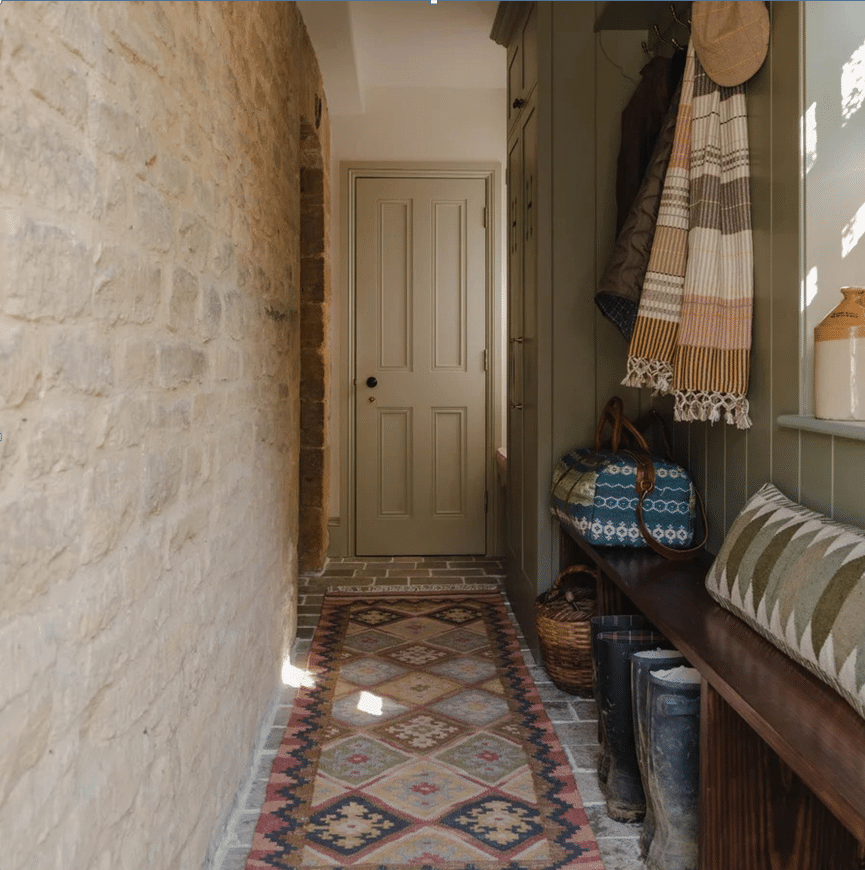
The hallway has to cope with everyone arriving and leaving, often in a hurry. Make it work harder with accessible hooks, shoe storage and a clear home for bags, keys and post.
A hard-wearing runner or doormat can help catch dirt before it travels further into the house while adding colour and pattern to a space that’s often overlooked. Giving children storage they can reach also makes it easier for them to put away their own belongings.
The result should feel welcoming as well as practical. After all, this is the first part of your home that guests see and the place that greets you at the end of the day.
Don’t Forget the Kitchen and Dining Areas
Family dining spaces need to accommodate spills, crumbs and plenty of movement. Wipeable surfaces and washable textiles make everyday clean-ups simpler, while keeping decorative objects to a few well-chosen pieces leaves less to move at mealtimes.
If you place a rug beneath the dining table, choose one large enough for the chairs to remain on it when they’re pulled out. This prevents chair legs catching on the edge and helps the whole arrangement feel balanced. The material should also suit the amount of use the room receives.
Create a Home That Looks Good and Lives Well
A family home doesn’t have to choose between style and practicality. Thoughtful layouts, adaptable furniture, clever storage and hard-wearing textiles can bridge the gap beautifully.
Design around your family’s real routines rather than trying to preserve a showroom finish. The best family homes aren’t the ones where nothing is ever out of place. They’re the ones that feel full of personality, comfortable to return to and practical enough to be properly lived in.