
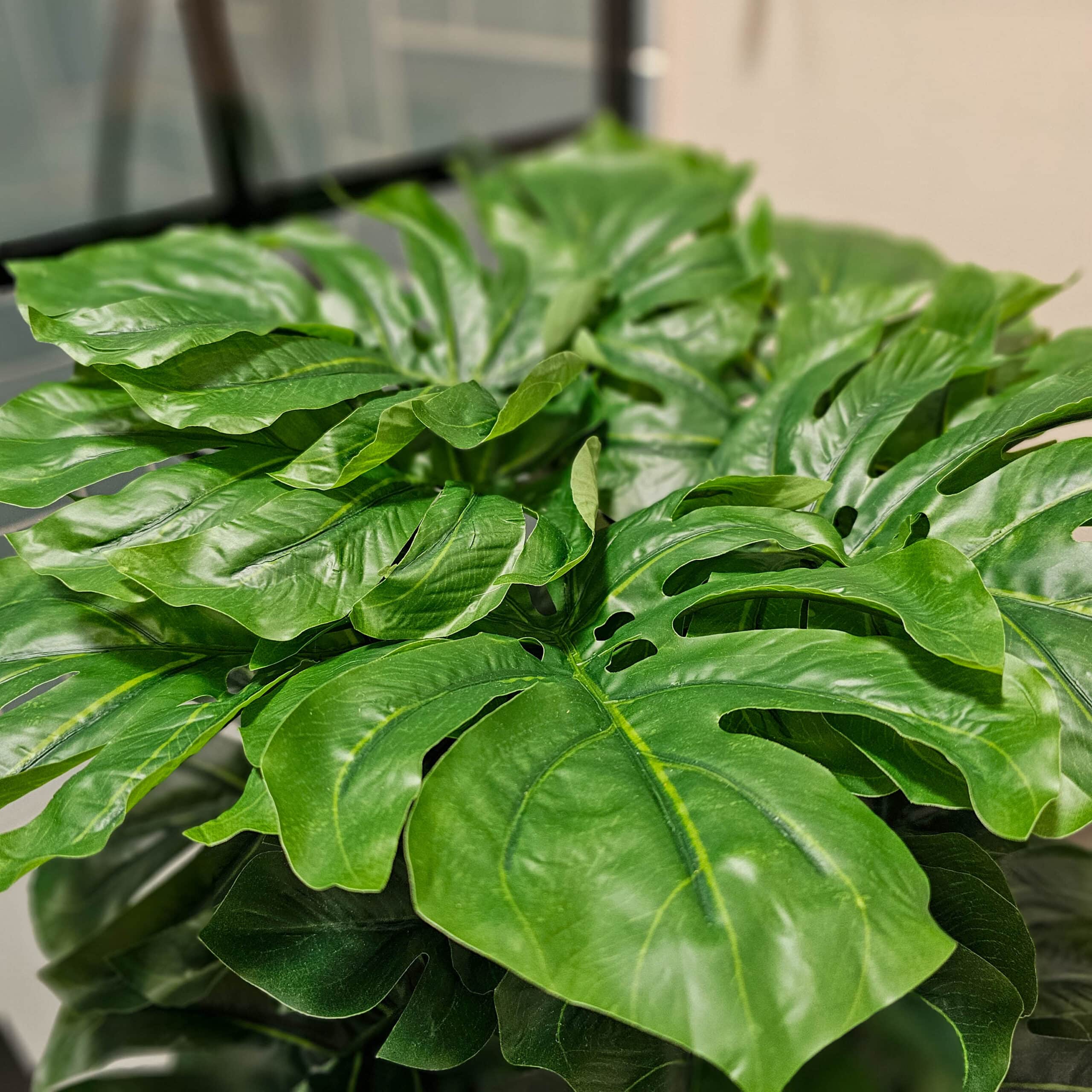
Your ferns and philodendrons enjoyed a beautiful, hot summer and made your balcony or garden look like it was from a fairy tale. Now, Halloween approaches, meaning it’s time for a switch.
If the local weather doesn’t enable your plants to enjoy warm temperatures all year round, you must prepare to bring some of them into the house.
Like humans, some flowers get sick and can die when subject to cold temperatures, whereas others don’t mind or even adore the chilly weather.
If you want to keep your perennials healthy for as long as possible, keep reading this article and find out which can endure the winter outside, how to move the sensitive ones indoors, and how proper planters can ease the moving process.
Tips For Moving Plants Indoors
There’s more to switching plants’ places than moving them indoors. You have to consider the temperature in the room they’ll stay in, the quantity of sun you expose them to, how you’ll water and trim them, how you’ll remove possible pests and more. Also, you should check if the store you buy flower pots from has planters on wheels. The addition of wheels to planters enhances design flexibility without sacrificing style, and can add elegance to your garden while prioritising movement.
Here are all the processes that maintain your greenery’s health throughout the winter, synthesised:
Water and fertiliser
Plants are paramount to nature and your health; they clean the air and absorb humidity and warmth, all while looking lovely and improving your mood. It’s then your job to ensure they live healthily, and this means that you allow them to rest in the winter.
They’ve flowered for months, and when it’s cold outside, they need to recharge their batteries. When this happens, they typically don’t require as much water and fertiliser as they would in the hot season. Instead, you should keep the nutrients in place until spring and water your plants just enough to keep them from drying out.
Light and humidity
Your plants still need bright, indirect light, even when resting. Days get shorter in winter, and many plant owners consider supplementing with artificial lights. Also, extra humidity is appreciated, even if they don’t need as much water as in July. Mist or use a humidifier regularly, if not daily, especially if you observe leaves turning brown.
Temperature
While your summer holiday may have a fixed end date, and you know this season is over when you transition from short pants and t-shirts to thick sweaters and boots, it’s unfortunately not as easy to figure out when your greeneries need their transition. It can be tricky, and you must not forget that the minimum temperature most plants can stand is around seven °C.
Pests
The wonderful outdoors provides your greenery with the much-needed warmth and humidity, but it also exposes them to pests. The most common ones are spider mites, aphids and scale, and you should use insecticidal soap if you spot them. For extra safety, wash off your plants before moving them indoors, even if they look clean. To carefully check them, turn over leaves to observe the undersides, look closely along the stems and spray some water.

How To Choose The Proper Planter
Giving nature room can be difficult if you live in an apartment or a house with limited yard space. Fortunately, choosing suitable pots can make this task a little easier.
The proper planters will allow you to grow lovely flowers and plants indoors, be it in a tight corner of your room, garden or balcony. Not only will you enjoy qualitative flower containers, but your greenery will rejoice, too.
You must look at many aspects before purchasing such a product, so here’s what you must keep in mind the next time you shop for pots:
There are standard pot sizes for every type of plant.
- The 10-inch pot is the best choice for succulents and herbs, as well as flowers like zinnias and marigolds or vegetables like beets, leaf lettuce, turnips and small carrots.
- The 14-inch pot is an excellent container for chard, collard greens, peas, spinach, cabbage, etc.
- The 18-inch pot works well for giant vegetables like eggplant, peppers, zucchini, tomatoes, etc.
- The 24-inch pot provides enough room for greenery like apples, pomegranates and dwarf plants to grow.
- The 30-inch pot is massive and serves as a nursery for trees like pear and plum.
You Should Also Consider The Type Of Pot You Choose
You’ve probably made the choices for your plants’ containers purely on aesthetic considerations. It’s time to find out that there are a few materials in pots that can affect your plant’s health.
Here are two of the most popular types of materials for planters, explained:
Plastic pots. These are usually lightweight and cheaper and come in various colours. These suit indoor plants better, as several types of plastic, especially black ones, absorb more heat. Pay attention to thin plastic: it doesn’t photodegrade, meaning the pot can fall apart due to intense sunlight.
Terracotta pots. These classics are made from red clay and are the default for container gardening. Remember that the terracotta material absorbs and dries out the water from the soil, so you should water your plants a lot or choose drought-tolerant species like rosemary.
Plants That Love All Seasons
Numerous widely loved flowers come from tropical regions of the world. Therefore, they do well when they’re out in the summer heat.
When spring arrives, you gradually move plants outdoors and take care so they don’t get sunburnt in the summer. It’s just as crucial to give your plants the same additional care when they transit back into the warmth of your home in winter.
Here’s a list of plants that can’t stand the cold and will soon need to be moved indoors:
- Cosmos
- Blanket flowers
- Lantana
- Stonecrop
- Pentas
- Marigold
- Verbena
- Butterfly weed
- Cucumbers
- Spinach
- Eggplants
- Sweet potatoes.
Don’t demoralise if you’re afraid there’s too much responsibility to take care of greenery. There are planters on wheels which are easy to move around. Plus, you can always choose plants that can take the cold well, like Lily of the Valley, Catmint, Coral Bells and many more.