
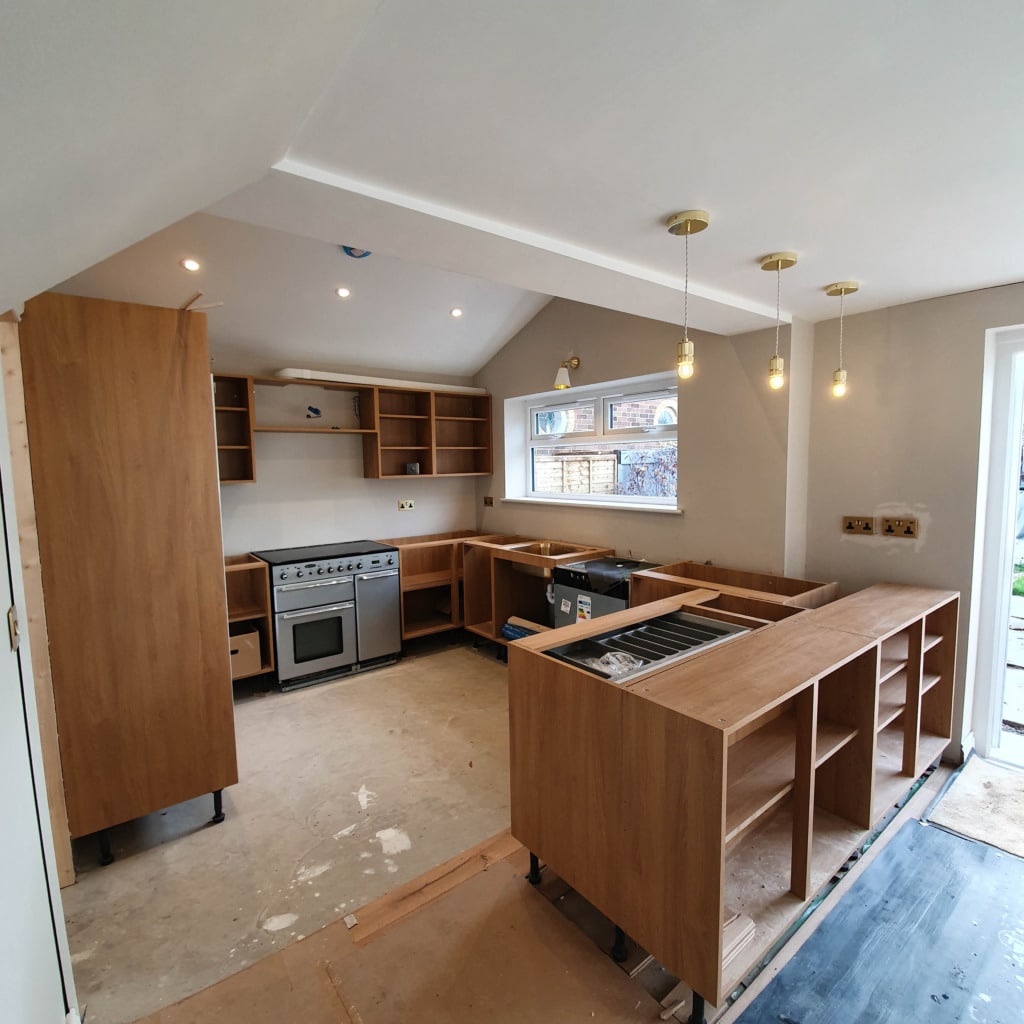
Renting seems like an easy way to move on from a deteriorating property. An updated unit can attract desirable, high-paying tenants. However, navigating unexpected costs, tenant complaints, and reduced returns isn’t conducive to planning renovations. It must balance attractiveness, durability, and functionality to appeal to a broad tenant market without compromising quality.
*Collaborative Post
Some well-intentioned renovation decisions could hurt your investment more than help. Avoiding these common pitfalls can make all the difference between a property that attracts stable tenants and one that constantly needs repairs or is vacant too often. So, let’s look into the top renovation mistakes to avoid in rental properties and how to sidestep them.
Overlooking Long-Term Maintenance Costs
Among the common mistakes that rental property owners commit is pouring resources into renovations that initially look great but don’t hold up well over time. While flashy renovations like intricate tiling and high-end fixtures may attract attention, they often come with significant costs. It’s always best to err on durability over show-stopping designs in a rental. Think about it: if a fixture looks just wonderful but can’t stand up to the rigors of tenant turnover, it’ll probably cost you more money in repairs and replacements.
Experts at Americanapropertymanagement.com suggest which materials to choose. The property’s beauty and durability will determine its longevity. Instead of using fragile hardwood, for instance, selecting hard-wearing vinyl flooring will keep it looking fresh and not require repairs after a long time. If good-quality paint is easy to clean up and does not scuff easily, multiple touch-ups must be done between tenancies.
Overdoing Personal Taste
It can be tempting to bring in the personal style of a rental property renovation, but it severely limits the appeal of that rental property. Bold color schemes and quirky patterns might catch your eye, but they risk turning off potential tenants who don’t share your taste. Rental properties thrive on neutrality, letting tenants envision the space as their own.
A fresher, neutral paint job, simple fixtures, and clean lines form a blank slate that looks even more attractive to tenants. Not only does a neutral design expand the appeal of your property, but it also makes updating or modifying between tenants a lot easier without having to do a full-scale overhaul. Keeping things simple yet classy is one easy trick to draw in tenants of all persuasions, eliminate vacancies, and ensure that your property appeals to a broader base.
Failing to Consider Storage and Pragmatic Layouts
While aesthetic renovations are necessary, functionality can be the deciding factor for tenants. A perfectly renovated space loses its appeal quickly if it does not have a space to store daily essentials. Families with children prefer storage over the aesthetic benefits of renovation. If your renovation doesn’t focus on practical layouts and storage solutions, you may find that the tenants don’t want to stay there.
Imagine a tenant living in a fashionable but cramped kitchen with no pantry space. For most, the discomfort of a bad layout will overwhelm the style. A minor, impactful update could be installing built-in shelves, cabinets, or even closet configurations to add more storage space. These improvements make the space more habitable and demonstrate to the tenants that the property has been built considering their needs.
Skimp on Safety and Code Compliance
Safety and code compliance must never be neglected, especially considering that renovations often downplay the importance of these factors. Your rental should be up to code with the essentials, including working smoke detectors, carbon monoxide alarms, and adequate lighting throughout stairways. This will be suitable for your tenants and good for you in avoiding any legal hassle.
Skipping on the basics risks tenants and exposes landlords to fines and perhaps lawsuits. In most cities, rental properties come with strict standards, so compliance is certainly not voluntary. While adding visual appeal may not come from emphasizing these measures, it certainly forms a proper foundation for a rental unit that will be functional and safe. Even more so, tenants respect and are more secure in homes where safety is the priority.
Underestimating Tenant Wear and Tear
Tenants bring a kind of wear and tear to a property that may exceed what you would expect in an owner-occupied space. The use of everyday items can add up very quickly, so choosing durable and easy-to-clean materials can make a big difference in the longevity of your renovation efforts. Flooring, countertops, and even wall finishes are all prime examples of elements that can take a beating over time.
Think “tenant-proof” when renovating. Use materials that can take heavy traffic, such as stain-resistant carpets or scratch-resistant laminate. Such selections will keep a property looking good with minimal intervention. While no one can predict all the possible tenant mishaps, planning with durability in mind can help avoid the hassle and expense of constant repairs.
Failure to Budget for Surprise Costs
Most renovations do not go according to plan, and hidden costs can pop up pretty quickly. Plumbing issues, hidden wiring problems, or structural concerns are common surprises, especially with older properties. It’s not advisable to start a renovation when you have a limited budget and no room to manage any unexpected expenses that may come up.
Set aside a reserve fund, a cushion in the budget of at least 10-15%. You will surely be able to handle an unexpected problem without putting a spin on your finances. It’s like a safety net that allows you to cushion the impact of the various surprises during renovation. That way, when those issues inevitably pop up, you’ll be ready to address them without sacrificing the outcome.
Conclusion: How to Ensure Renovations Deliver Value
Renovating a rental property is far more than giving it a superficial facelift. Avoid these easily made errors—such as durability instead of magnificence, neutrality of design, functionality rather than frills, safety rather than luxury, and budgeting for the unexpected—and invest in long-term appeal and stability. Done thoughtfully, renovation may increase your property’s value, attract good tenants, and help keep it occupied.
Remember, a rental is not about looking good. It’s about creating a place that feels like home so the tenants will stay for the long term. The ideas listed will help you avoid renovation regrets and invite stable, positive returns through owning a well-maintained rental property.