
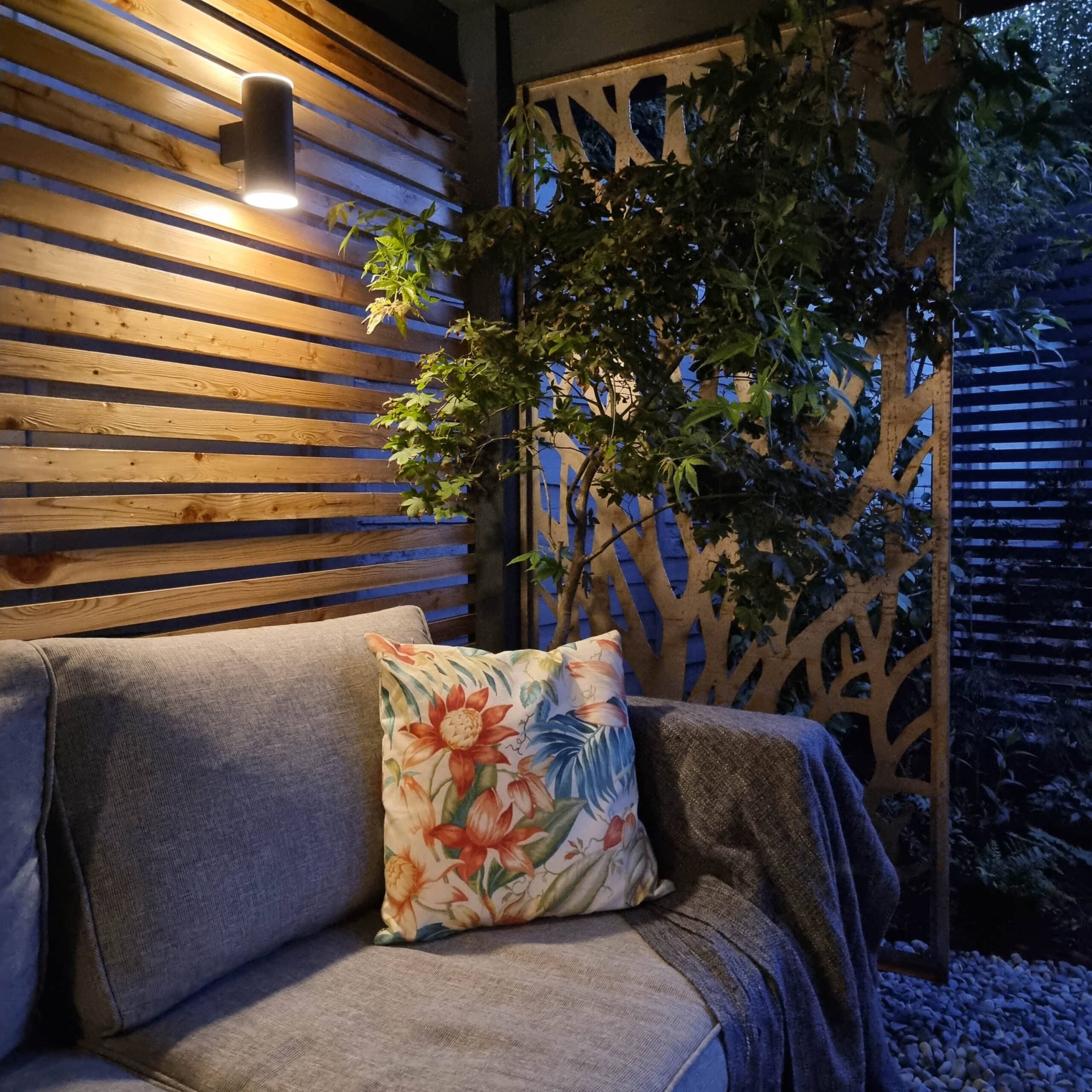
Studies in environmental design show that natural materials like timber can lower stress and create a sense of comfort indoors. That may be why Australian homeowners continue to gravitate toward natural wood finishes and thoughtful outdoor wood finishing both inside and out.
When used well, the right timber species can completely shift the energy in your home.
After this, we’ll walk through the most popular types of wood and how you can use them to shape everything from your verandah to your kitchen shelving.
Outdoor Timber Species Overview & Quick Comparison
|
Timber Species |
Colour & Look |
Durability |
Best Uses |
|
Merbau |
Rich brown/Red tones |
★★★★☆ |
Decking, verandahs, stairs |
|
Spotted Gum |
Chocolate to light brown |
★★★★★ |
Decks, pergolas |
|
Blackbut |
Pale blond |
★★★★ |
Cladding, decks |
|
Treated Pine |
Pale cream |
★★★☆☆ |
Budget decking, fence, pergola |
|
Ironbark |
Deep red/brown |
★★★★★ |
Heavy duty deck |
Choosing the Right Timber and How to Use It Beautifully
Every timber species brings its own mood, colour, and texture, so here’s a simple breakdown to help you choose the right wood and understand where it shines.
1. Merbau
Merbau is a popular hardwood sourced from South East Asia, Papua New Guinea, the Pacific islands, and northern Queensland. Builders use merbau wood in engineering, construction, and marine applications. Merbau is also common in backyards as outdoor furniture. Suitable for a variety of interior timber features.
Tip: Use Merbau Accents to Create a Cohesive Outdoors
Lay Merbau across your front porch to create a welcoming entry. You can improve it with a natural woven doormat, potted greenery, and a warm wall sconce. These small touches highlight the timber’s grain and give guests a sense of “home” before they even step inside.
You can also incorporate Merbau as garden edging or raised planters to soften the transition between your greenery and hard surfaces. The timber adds warmth against stone, concrete, or lawn. Using Merbau-edged planters with simple herbs or blooms can soften the space and make it feel more comfortable.
2. Spotted Gum
Spotted Gum refers to four timber species that grow along Australia’s east coast, from northeast Victoria up to Queensland’s northern tablelands. Builders use Spotted Gum in a wide range of building needs, including posts, poles, framing, flooring, lining, decking, and cladding. Manufacturers may also use it to produce veneer and plywood.
Tip: Create a Focal Point With a Spotted Gum Coffee Station Shelf
Try using Spotted Gum for your pergola or verandah beams. A simple outdoor oil will bring out the natural grain, or you can go for a tinted finish for a bit richer in tone.
Spotted Gum is also perfect for small kitchen details. You can install open shelves made from 25–30mm Spotted Gum boards and mount them with matte black or brushed metal brackets.
A Spotted Gum trim along the edge of the benchtop is another subtle way to bring timber indoors without committing to full timber cabinetry. Incorporate a Spotted Gum panel or floating shelf above the coffee station or breakfast nook for a focal point. Finishing the timber with a clear, food-safe oil will keep the tone rich and help it stand up to everyday use.
3. Blackbutt
Blackbutt is a large Australian hardwood that builders choose for structural work. People call it “blackbutt” because the base of the tree turns dark after a bushfire. You may also hear it referred to as coastal blackbutt so it’s not confused with the New England blackbutt species found inland.
You can stain, paint, or polish Blackbutt, although paint can sometimes crack on the surface. A mature Blackbutt has high extractive content, which can affect how well some adhesives bond, but younger regrowth timber usually avoids this issue.
Tip: Use Blackbutt Slat Screens to Shape Spaces Without Closing Them Off
Blackbutt slat screens can create separation in your home. Indoors, you can install slim vertical slats between your hallway and living room to guide movement through the space. If your entry feels a little empty or flat, a small Blackbutt screen beside the door can introduce texture and help anchor the area without making it feel boxed in.
Outdoors, horizontal Blackbutt slats are ideal for adding privacy around a deck or alfresco without blocking airflow. Mount the timber on matte-black framing to give it a clean architectural look that fits into most home styles.
For homeowners wanting a deeper, more architectural finish, charred timber cladding and screening systems – such as those supplied by TimberSol, can elevate the same slatted concepts while improving weather resistance and reducing long-term maintenance.
4. Treated Pine
Manufacturers treat Pine by infusing it with chemicals and preservatives that protect the timber from damage. They use fungicides and insecticides as the main treatment, and they add other solutions when extra protection is needed. These treatments help the wood resist insects and wood-eating organisms.
Tip: Use Jasmine or Bougainvillea to Bring Life to Timber Structures
Instead of leaving Treated Pine raw, apply a warm brown or cedar stain to give it the richness of premium hardwoods. This works well for budget-friendly decks or outdoor seating areas where you want a high-end look without the cost. You can choose a semi-transparent stain to let the grain show through or a deeper tone for a more uniform finish.
If you’re choosing Treated Pine for a pergola, go for chunky posts to make it feel sturdy and balanced, and use slimmer rafters above to keep it from feeling heavy. After it’s built, add some climbing plants, jasmine, bougainvillea, or passionfruit all work well, to bring a bit of greenery and shade.
5. Ironbark
Ironbark, also known as grey ironbark, comes from the Eucalyptus paniculata tree. It grows naturally in coastal areas of New South Wales with high rainfall, mainly between Bulahdelah and Bermagui. Most Ironbark trees reach about 20 to 30 metres in height, although some can grow up to 56 metres tall with a trunk diameter of nearly two metres.
The tree gets its name from its bark, which has a rough, hard texture similar to iron slag. This bark resists fire and heat and helps protect the living layers of the trunk and branches during bushfires.
Tip: Pair Ironbark Posts With Matching Beams
Use Ironbark to build solid, wide entry steps that make your front entrance feel grounded and welcoming. Because Ironbark has a deep red-brown tone, the steps naturally create a striking contrast against lighter exterior walls or landscaping.
Ironbark posts are a great way to give your verandah a strong, premium feel. The timber is dense enough that you can use slimmer posts and still keep everything sturdy, which helps the verandah look open rather than heavy. If you want everything to tie together, pair the posts with Ironbark beams or a timber handrail. The look suits Queenslanders and modern coastal homes really well.
The Sophistication of Wood in Design
Some materials can make a home feel hard and impersonal, while timber does the opposite. Steel, tile, and concrete have their place, but they don’t soften a room the way natural wood does. That’s the beauty of working with warm, well-finished timber. Every timber touch, big or small, brings a little more class into everyday spaces.